Should You Get AppleCare+ for your New iPhone or Mac?

Toggle Dark Mode
Merry Christmas! The big day is here, and if you’ve been fortunate enough to find a shiny new Apple product under the tree today — perhaps an iPhone 17 Pro, the sleek new iPhone Air, or an M5 MacBook Pro — you’ve likely already unboxed it and started enjoying it.
However, you’ll also want to get off to a good start on setting it up and ensuring it’s well taken care of. That may mean following our essential tips for setting up your new Mac or checking out our recommended cases for style and protection or utility.

Many iPhone fans debatewhether you really need a case for your iPhone. The iPhone isn’t as fragile as you might think, thanks to Apple’s Ceramic Shield glass, whileit doesn’t make your iPhone indestructible, it can certainly help protect it against the bumps and scrapes of everyday life. On the other hand, Apple’s choice to go with a unibody aluminum design on this year’s iPhone 17 Pro models has resulted in them being more vulnerable to nicks and scratches.
Still, the cosmic orange iPhone 17 Pro is enough of a looker that you may decide it’s worth living with the risks of drops and scratches to avoid covering up its vibrant and fun finish. Plus, many standard glass screen protectors nullify the new anti-reflective coating on the Ceramic Shield 2. If you value that glare reduction, you’re often better off going case-free with AppleCare+ or seeking out specialized (and expensive) AR-compatible protectors.
Either way, the good news is there’s another way to get some good peace of mind: purchase an AppleCare+ plan.
While AppleCare+ is available for nearly all of Apple’s products, it’s an especially great buy for iPhone users, as those are the devices most likely to face drops and scratches. For a relatively low monthly fee, you can have peace of mind that Apple will fix your iPhone for a much more affordable price should it suffer an unfortunate accident — and even replace it for a nominal fee if it’s lost or stolen.
AppleCare+ is also an option worth considering for your new MacBook, especially if you’re on the go all the time. It offers the same kind of accidental damage protection, although there’s no theft or loss coverage. However, it can also be valuable for the long term, as you can keep on paying for it even after Apple’s standard warranty expires, ensuring that future problems with things like you battery or keyboard — things that tend to wear out one way or another — will be covered without the need to spend a bundle on repairs.
If Santa already added AppleCare+ to your new iPhone or Mac, you’ll be good to go, but if not, you still have up to 60 days to purchase it, and you can do so right from the Settings app.
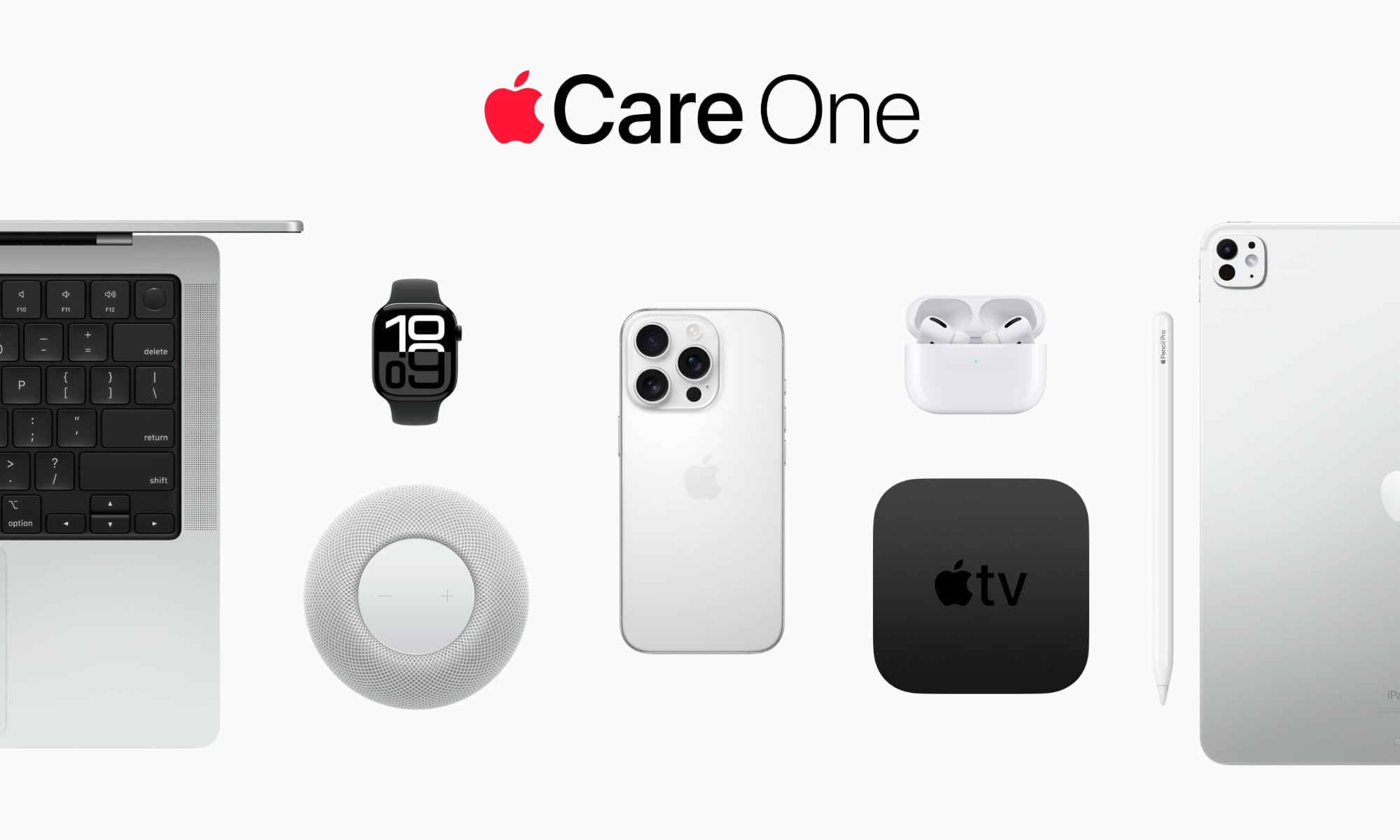
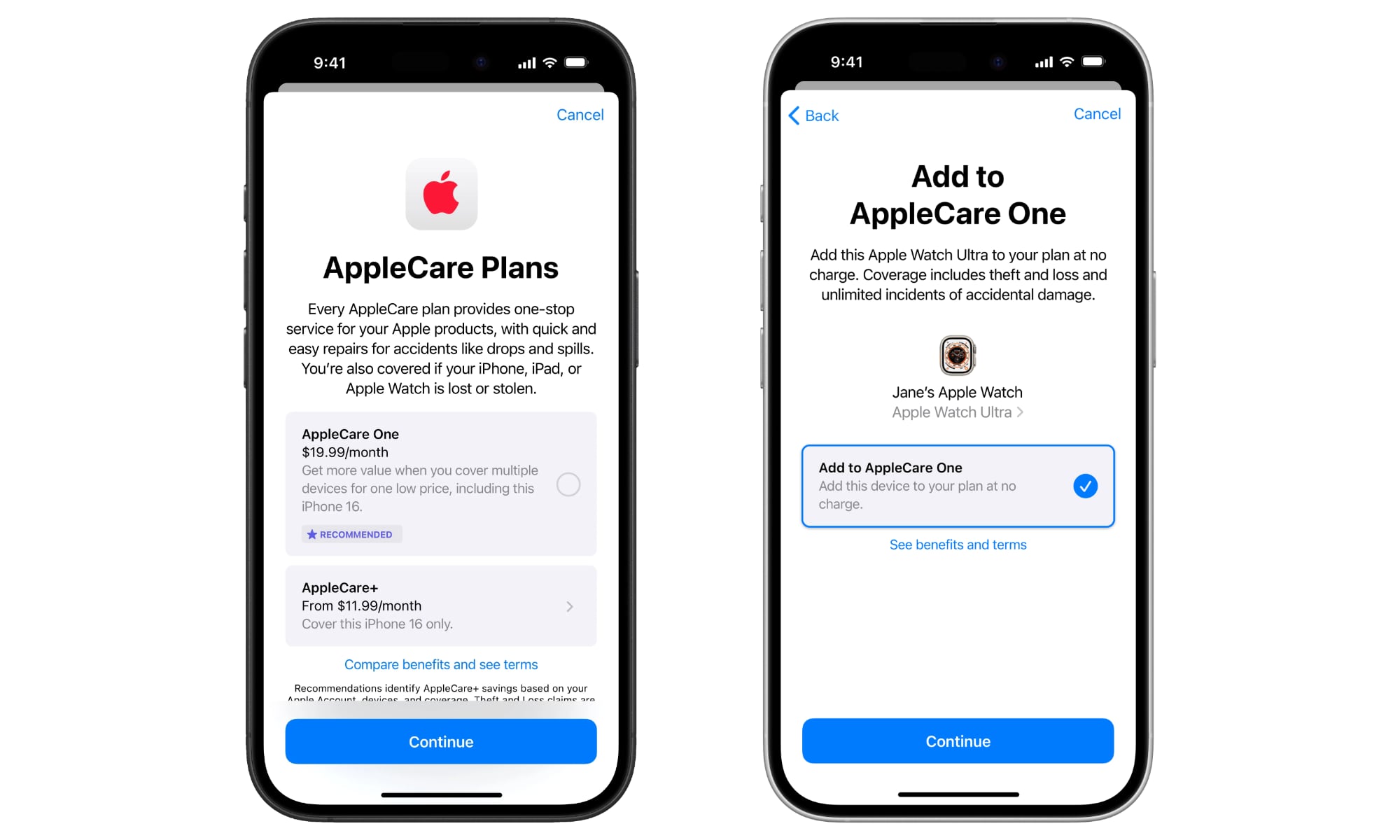
If you’re in the US, you also now have the option of AppleCare One, a bundle that will let you cover several of your Apple products for a single monthly fee. This starts at $19.99 for three Apple devices, which can be any combination of an iPhone, MacBook, iPad, AirPods, and more, and you can add coverage for additional devices for $5.99 per device. Theft and Loss coverage is also included for those classes of devices where it’s available: the iPhone, iPad, and Apple Watch. AppleCare One not only saves money for anyone who’s heavily invested in the Apple ecosystem, but it also avoids the fatigue of multiple subscriptions.
AppleCare+ for iPhone

Whether you buy it standalone or as part of AppleCare One, AppleCare+ has evolved far beyond a simple extended warranty. It’s now a robust insurance policy against everything from accidental damage to theft.If your iPhone dies due to a manufacturing defect, the standard one-year warranty covers it, but if you drop it on the sidewalk, that’s where AppleCare+ comes in.
- Unlimited Accidental Damage Repairs: As long as your plan is active, you can break your screen as many times as you want (though we don’t recommend it).
- Monthly or Annual Subscriptions: You no longer need to pay $200+ upfront. You can subscribe monthly or annually through the Settings app.
- Battery Coverage: If your battery health drops below 80%, Apple replaces it for free.
It also extends the warranty on the iPhone and other Apple products for as long as you continue paying for it, and includes virtually unlimited tech support and an “Express Replacement” service where Apple will ship you a new device right away, before you send yours in for repair. They’ll place a temporary authorization hold on your credit card for the replacement’s value, which is released once they receive your damaged unit.
The Math: Is it Worth It?
For an iPhone 17 Pro Max, a screen replacement without coverage typically costs around $379. With AppleCare+, that price drops to a flat $29. Even when you factor in the monthly subscription fee, cracking your screen just once every two years makes the plan pay for itself.
Of course, like any insurance plan, Apple and its insurer hopes most folks will pay for AppleCare+ and never make a single claim. If you’re the type of person who’s extremely careful with your iPhone, then you may end paying for nothing more than a little bit of extra peace of mind. Still, accidents do happen.
On the other hand, if you tend to be clumsy or accident-prone, AppleCare+ could pay for itself in no time. Unlimited means unlimited, so you can crack your screen every week and get it repaired for $29 each time. The folks at the local Genius Bar might be tempted to report you for iPhone abuse, but you’ll still be covered.
Still, that all assumes that you’re only worried about screen damage. AppleCare+ will cover other types of accidental damage for a flat $99 deductible — a repair cost that can run up to $799 otherwise — and replace the battery for free if it drops below 80% health, versus a $119 standard battery replacement fee.
Then there’s the theft and loss coverage…
What About Theft and Loss?
Apple used to offer theft and loss protection as a higher tier of its AppleCare+ plans, but earlier this year it adjusted its plan pricing so that all plans now include this additional coverage — and also brought it to the iPad and Apple Watch.
You’ll need to ensure that Find My was enabled at the time of the loss, but in many jurisdictions you no longer even need to file a police report, as the Find My allows Apple and its insurance provider to confirm the device has indeed been stolen — and permanently deactivate it.
Like most insurance policies, there’s also a deductible, but it’s significantly cheaper than the price of a new iPhone. A replacement for a lost or stolen under AppleCare+ will cost a flat $149 for any model, whether it’s the most affordable iPhone 16e or the flagship iPhone 17 Pro Max.
AppleCare+ for Other Products
If you’re only going to get AppleCare+ for one device, it should probably be your iPhone. After all, that’s the device that most of us rely on to manage our lives, and it’s also the one you’re most likely to damage or lose. However, it’s not the only product you should consider buying coverage for.
- Apple Watch Series 11 & Ultra 3: Coverage is important here, especially for the Ultra. Monthly plans for the standard Series 11 are around $4.99/month.
- Vision Pro: If you were really good this year and found a Vision Pro under the tree, you absolutely need AppleCare+. A glass repair without it can cost upwards of $2,000, whereas the AppleCare+ deductible is $399.
- Macs: Apple now offers annual plans for Macs, meaning you aren’t locked into a three-year chunk of change upfront. This will cover screen or enclosure damage for $99 or other out-of-warranty damage for $299, whether you’re toting an entry-level MacBook Air or a 16-inch M4 Max MacBook Pro.
- Apple TV and HomePod: While you can buy AppleCare+ for these devices as well, it’s usually less critical unless you’re clumsy or have a toddler or frisky pet running around the house.
- AirPods and Beats Headphones: You can also get AppleCare+ for any of Apple’s headphones for $29 for most models (the AirPods Max are $59). However, this only covers damage and battery replacement; there’s no theft or loss protection.
How to Buy AppleCare+
Gone are the days when you had to add $200–300 up front to the cost of your device. Now, you can sign up for monthly payments, similar to the protection plans that most carriers try to sell you. This means you can also cancel it at any time, which gives you the option to decide later if AppleCare+ is no longer worth it.
When purchasing a new device for yourself, you can buy AppleCare+ during the checkout process at the Apple Store. It’s also offered in a similar way by big-box third-party retailers like Best Buy. However, you probably won’t get AppleCare+ on a device you received as a gift unless your benefactor is both generous and tech-savvy enough to know you need it.
The good news is that adding it is incredibly easy for an iPhone, iPad, or Mac. Simply open the Settings app on an iPhone or iPad, or System Preferences on a Mac, and you’ll see a message indicating its availability and the remaining days until purchase.
Tapping or clicking on this option will begin the process of purchasing AppleCare+ with a credit card. Once the payment is processed, coverage will activate immediately.
You can also purchase AppleCare+ for certain other connected devices directly from your iPhone, iPad, or Mac. For example, an Apple Watch or AirPods will appear in your iPhone Settings app under General > AppleCare & Warranty, and you can add coverage from there as long as they’re still eligible. You can also buy AppleCare+ for home devices like an Apple TV or HomePod in macOS by opening System Settings and selecting General > AppleCare & Warranty.
Lastly, you can visit Apple’s Buy an AppleCare Plan website to purchase a plan for any eligible device associated with your Apple Account or even another device if you know the serial number. That latter option is useful if you want to buy AppleCare+ as a gift for a friend or family member. This is also the best way to get one of the new AppleCare One plans to cover multiple devices for a single monthly fee.