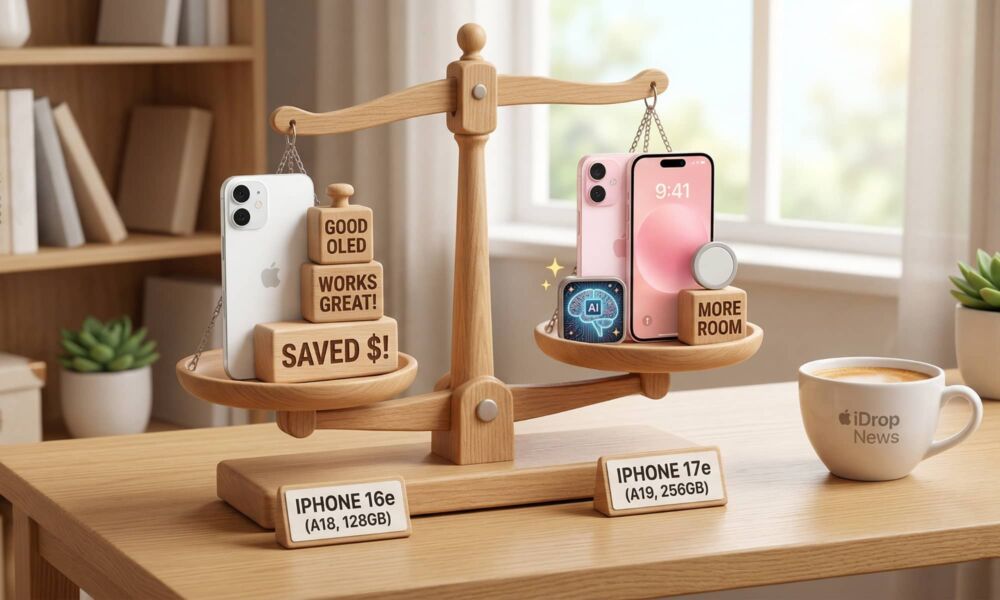
iPhone 17e vs. iPhone 16e: Is the Budget Upgrade Worth It?
Toggle Dark Mode
Apple’s e-series iPhones are built around a very specific group of people: users who want a modern iPhone experience without paying flagship prices.
That usually means you still get the things that matter most, like an OLED display, Face ID, USB-C, solid cameras, strong performance, and support for Apple’s latest software features, while giving up some of the more premium extras that separate the standard iPhones and the Pro models. That formula made the iPhone 16e easy to recommend to a lot of buyers. And now the iPhone 17e is trying to do the same thing, just a little better.
But what if you already have the iPhone 16e and are considering upgrading to Apple’s latest iPhone 17e? Well, on the surface, these phones seem very similar. They share the same overall role of being Apple’s budget phone; they look nearly identical, and, for basic tasks, they’re both going to feel like modern iPhones. But once you start breaking down things like battery life, storage, long-term value, and the newer chip inside the 17e, the differences become easier to appreciate.
That still doesn’t automatically make the iPhone 17e a must-buy upgrade, though. The real question is whether the iPhone 17e is worth replacing an iPhone 16e you already own. Let’s break down all the differences to see if you should pull the trigger or not.
Performance:
The A19 Chip and Future-Proofing
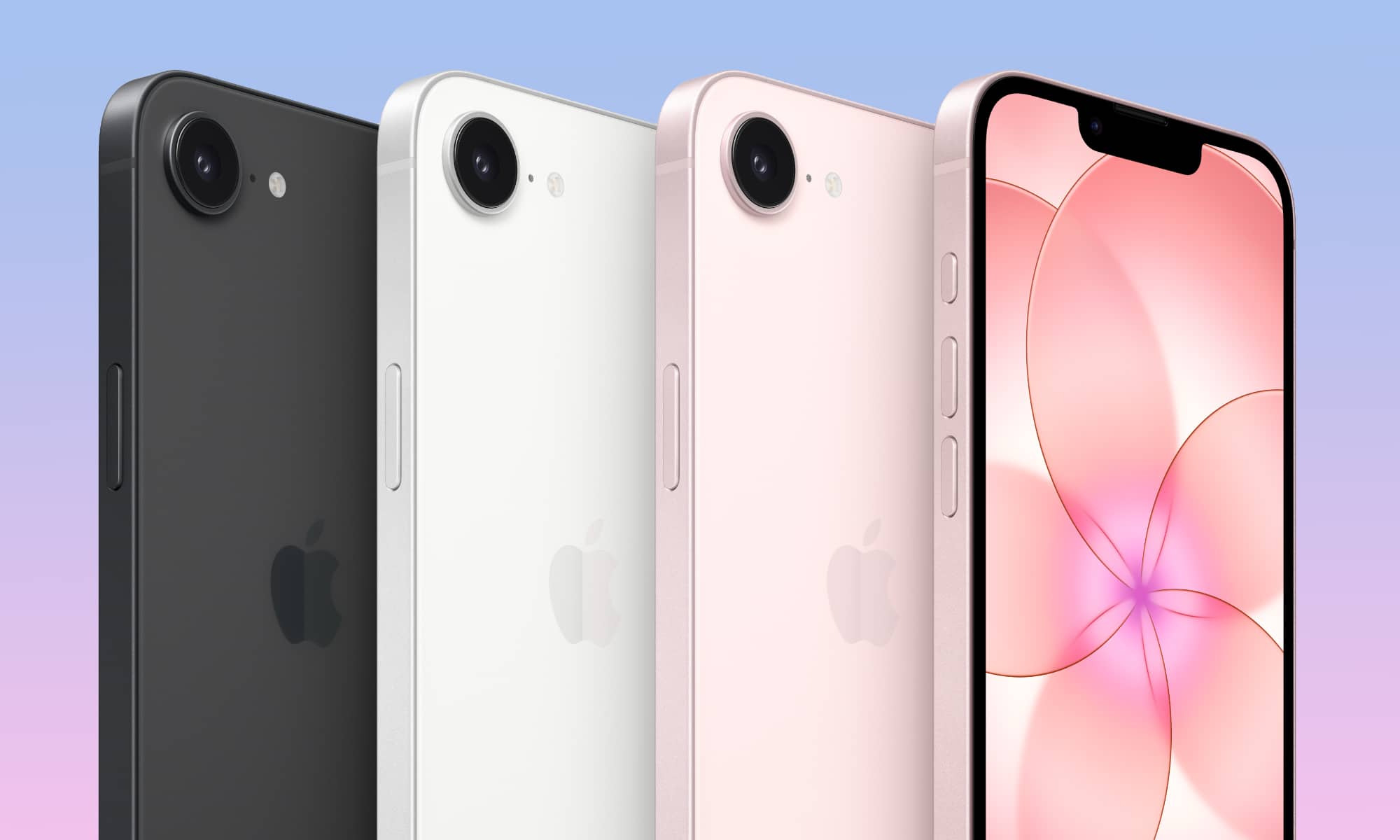
The biggest technical advantage of the iPhone 17e is the newer A19 chip. The iPhone 16e uses the A18, which is a more than capable processor, but newer chips matter over time, and that’s worth considering if you plan to keep your iPhone for the next few years.
A newer chip generally gives you a little more performance headroom, a little more efficiency, and a slightly stronger chance of feeling comfortable with future iOS updates and whatever Apple decides to add next to Apple Intelligence.
At the same time, this is also the kind of category where it’s easy to overstate the difference. The iPhone 16e is not slow, outdated, or underpowered for normal use. If your day is mostly messaging, social media, Safari, YouTube, streaming, and light gaming — all tasks the budget e-series iPhones are designed for — you probably won’t feel a dramatic performance gap.
Plus, if you bought the iPhone 16e in the first place, chances are you’re not someone who uses their iPhone for heavy workloads.
So the honest answer is to only upgrade if you want a little more future-proofing and a little more power, so your iPhone doesn’t feel outdated so soon.
Battery & Charging:
MagSafe Finally Makes the Cut
Battery life is one of the biggest reasons to consider keeping your iPhone 16e, instead of upgrading to the iPhone 17e. On paper, both devices have the same battery life. Both iPhones will give you up to 26 hours of video playback, and will charge up to 50% in 30 minutes with a 20W charger.
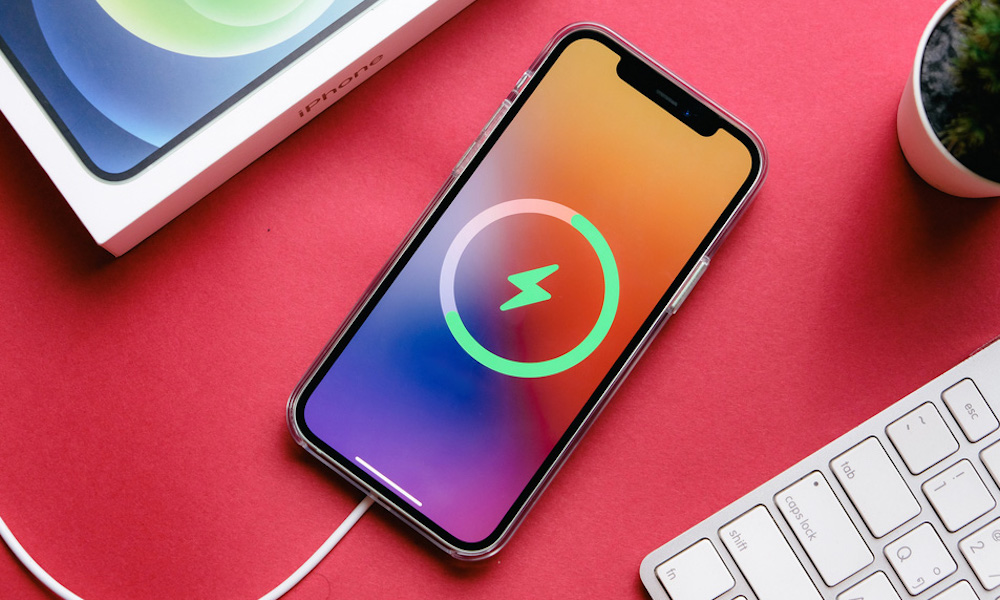
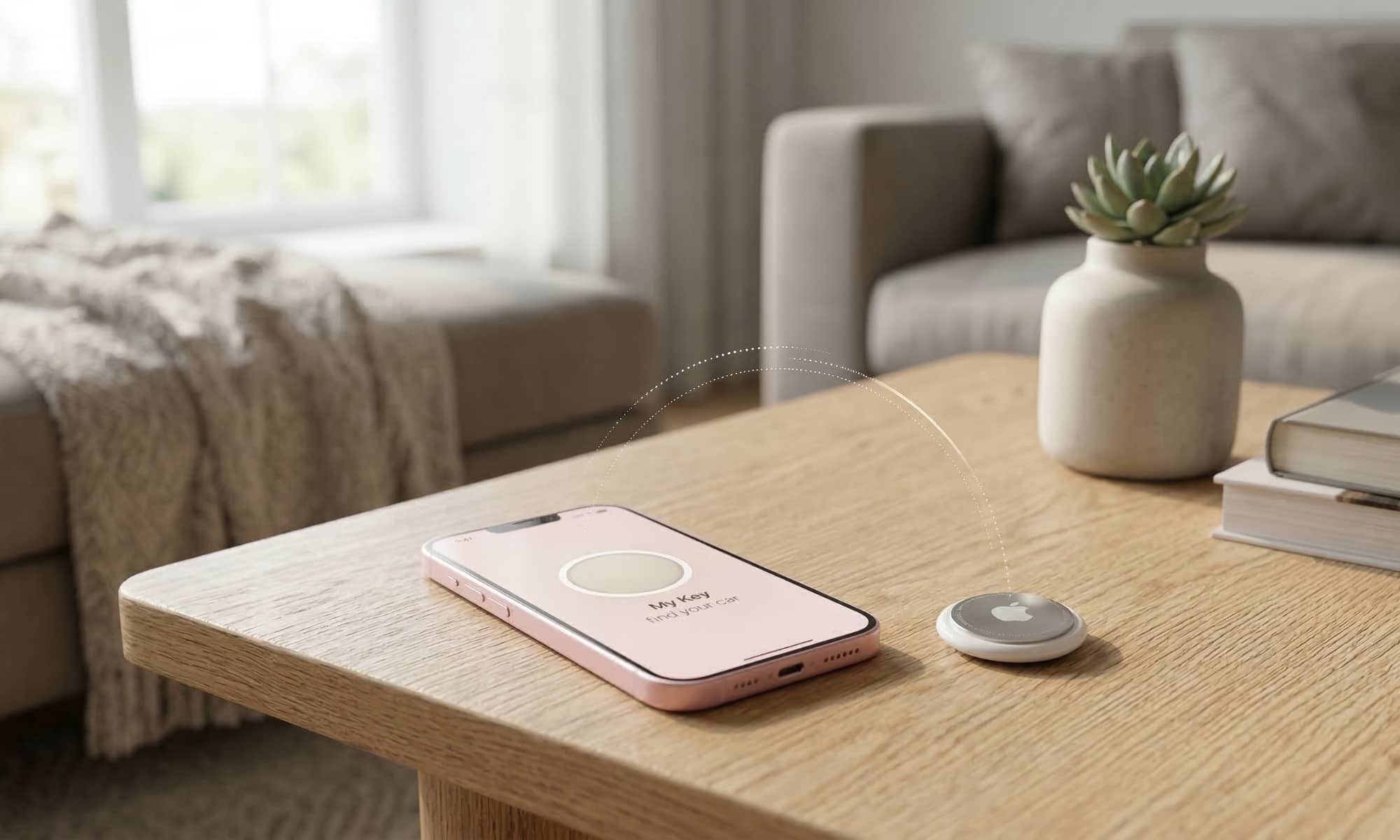
With all of that said, there is still one reason why you might want to upgrade to the iPhone 17e: MagSafe charging. While you can still wirelessly charge the iPhone 16e thanks to its Qi wireless charging support, the iPhone 17e adds support for 15W Qi2 and MagSafe wireless charging, which means it can charge up twice as fast when using most modern chargers.
Having MagSafe also means that you can attach other kinds of accessories. For instance, you can add a wallet, a phone stand, or a battery pack to the back of your iPhone, which is something the iPhone 16e just can’t do — at least not without adding a MagSafe case.
If you already have some MagSafe accessories that you can’t use anymore, upgrading to the iPhone 17e might be the best choice. On the other hand, if you never wirelessly charge your iPhone or just want the best battery life, you can keep your iPhone 16e for a little longer.
Storage:
256 GB Is the New (and Welcome) Standard
One of the most important upgrades on the iPhone 17e has nothing to do with speed or display technology. It’s the storage. Apple set the iPhone 17e at 256 GB of storage as the starting point, a major improvement over the 128 GB base storage on the iPhone 16e. That makes the 17e feel much stronger as a long-term value phone without having to spend extra money.
If you’re a casual user, you might not think much of that difference, but the truth is that it matters more than you might think. Higher-resolution photos, bigger apps, downloaded videos, voice notes, social media caches, and years of messages all pile up faster than people think, and they are getting heavier over time.
A phone that starts with 128 GB can still work fine, but you might reach a point where you’ll have to start thinking of deleting stuff faster than with the iPhone 17e.
Display:
A Great (But Completely Identical) View
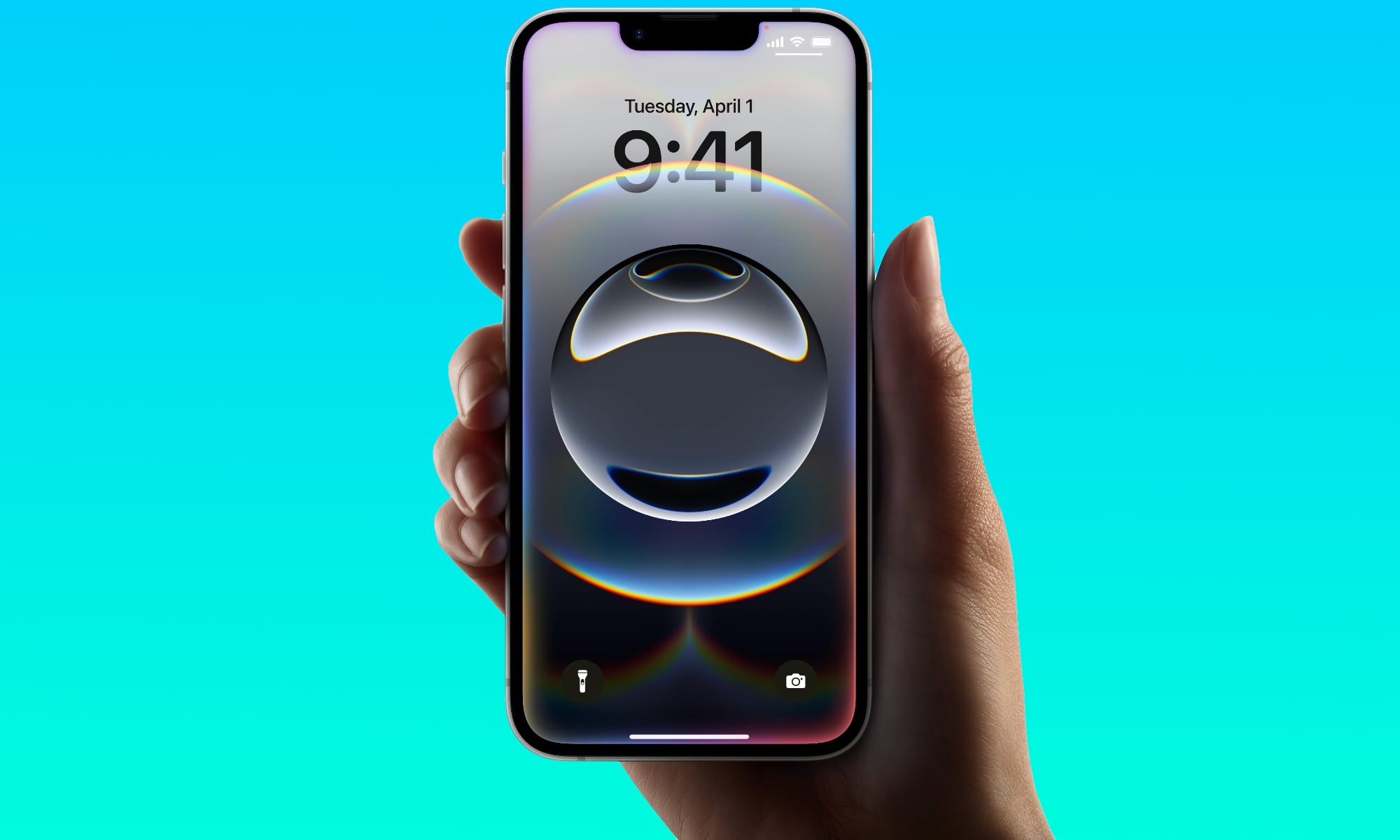
Unfortunately, if you were hoping for a major screen upgrade, this is not really where the iPhone 17e separates itself from the iPhone 16e.
Both phones literally use the same 6.1-inch OLED display panel, which was first used in the 2022 iPhone 14. This means you’ll get an identical experience, although that’s not necessarily a bad thing. You still get deep blacks, strong color contrast, and overall sharpness that make modern iPhone displays feel premium — even when they’re in a budget iPhone.
Brightness also remains the same, with both devices reaching a maximum brightness of up to 1,200 nits, so you won’t notice any advantages even outdoors.
So if display quality is the only thing pushing you toward an upgrade, you might want to wait another year. The 16e already covers the essentials well here, and the 17e screen isn’t a reason on its own to spend the money as it hasn’t changed.
Camera:
Familiar Hardware Meets Smarter Processing
This is another area where some people may expect a bigger leap than they’re actually getting. After all, even if the main line iPhones don’t get a huge upgrade, Apple still tries to improve the camera system. But that’s not the case for the budget-friendly iPhones.
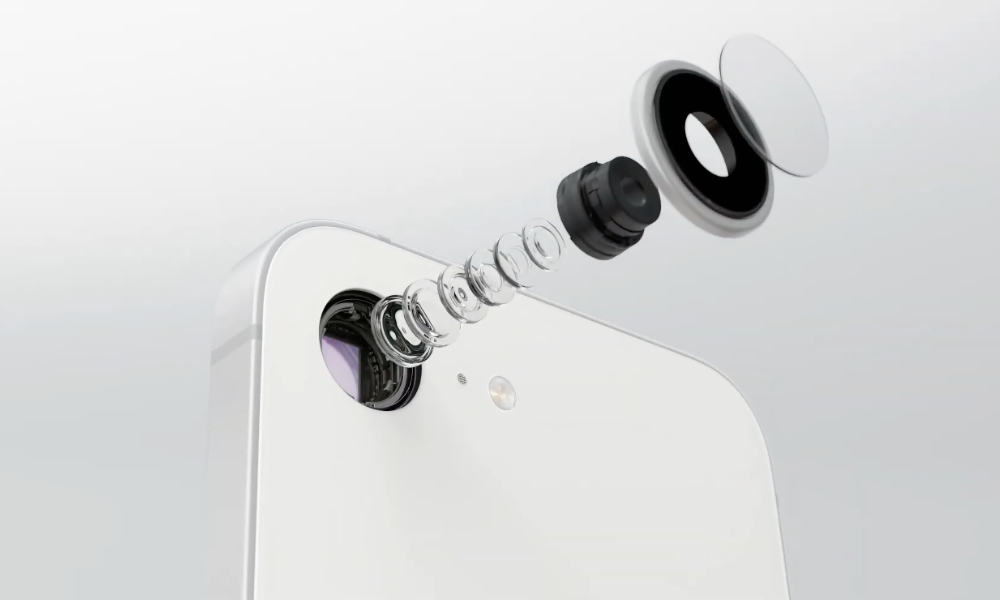
Both the iPhone 16e and 17e feature a single-lens, 48 MP Fusion camera system, with Apple’s computational photography handling much of the work behind the scenes. Both devices also support up to 2x zoom options through the main system.
Needless to say, both cameras are good, but not the best. So if your hope was that the iPhone 17e would suddenly become some kind of budget photography monster, that’s really not what you’re getting here.
That doesn’t mean the iPhone 17e camera is identical in every meaningful way. A newer chip can absolutely improve image processing, which can help with HDR and low-light shots. In real life, that means you’ll probably get slightly better photos in difficult conditions. But those are smaller gains, not the kind of upgrade that will make you want to spend money on a new phone. It’s also worth noting that Apple has unlocked its “next-generation” portrait mode that was first introduced on the iPhone 16, but missing from the iPhone 16e. That’s a nice bonus, but not something most folks are likely to care that much about unless you do a lot of creative photography.
So, if you’re happy with your iPhone 16e’s camera now, the iPhone 17e isn’t going to suddenly transform your experience. You’re better off waiting until the iPhone 18e launches next year.
Design:
Same Vibe, Slightly Tougher Glass
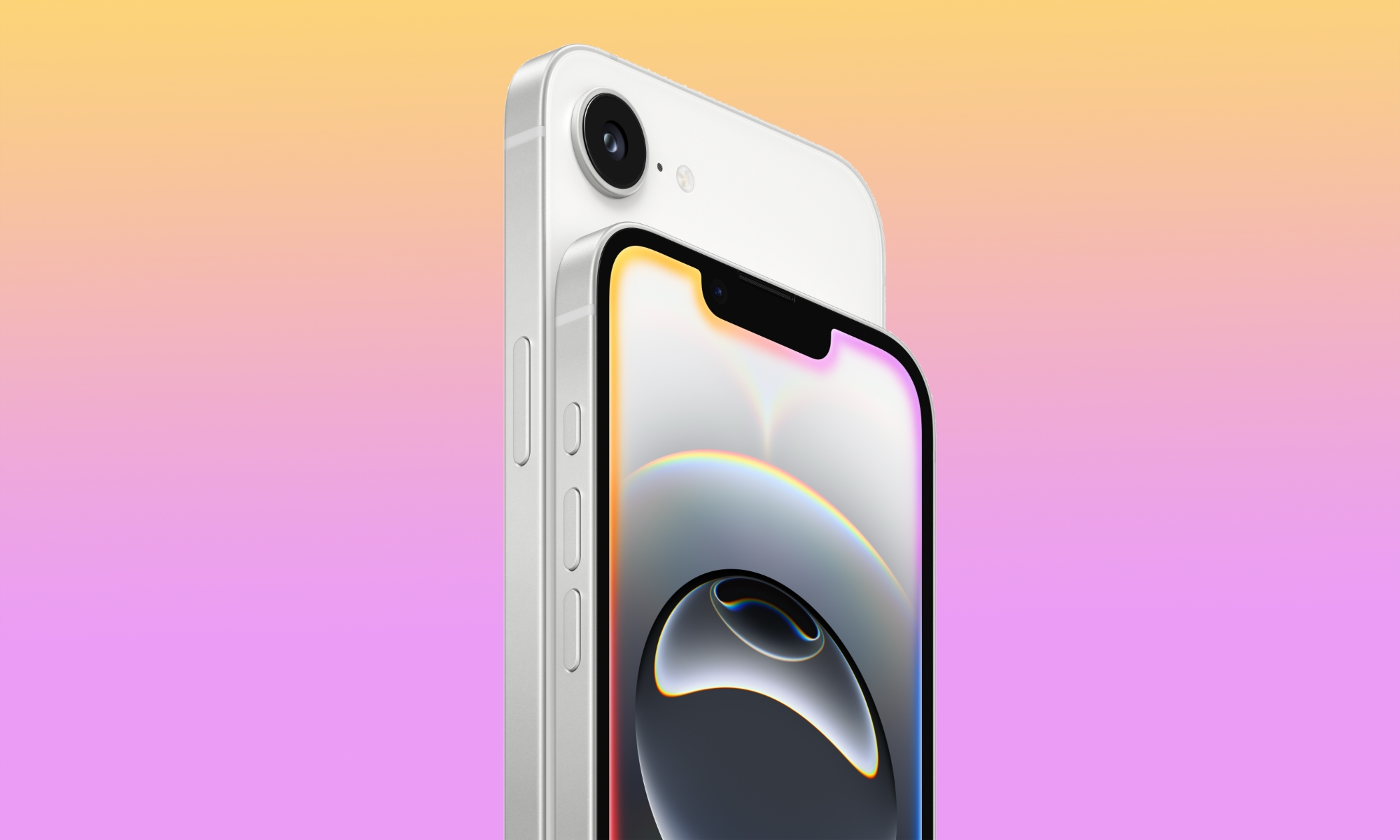
Apple gave the iPhone 17e a few subtle design and durability improvements, including Ceramic Shield 2. That basically means that the new budget iPhone is up to three times more resistant to scratches, but it’s not that big of a difference compared to the iPhone 16e.
Besides that, both devices feel virtually the same. You’ll get the same width and height, the same notch at the top, and the Action button on the left side. The “biggest” change is in the iPhone 17e’s weight, albeit you probably won’t notice it.
The iPhone 17e weighs 5.96 ounces (169 grams), whereas the iPhone 16e only weighs 5.88 ounces (167 grams). That negligible weight difference won’t be felt in daily use, so it shouldn’t factor into your upgrade decision.
Price: Hunting for 16e Deals
If you’re thinking of buying the iPhone 16e or the iPhone 17e for the first time, then price is something worth considering.
As you can expect, the iPhone 17e will probably be the more expensive iPhone of the two. This device starts at $599 for the base 256 GB of storage, and you can upgrade it to the 512 GB model for $799.
And while Apple doesn’t sell the iPhone 16e on its website anymore, you’ll surely find it at a discount with other retailers.
So if you want the cheapest budget iPhone you can get, you’ll probably be better off finding a good deal on the iPhone 16e. If you don’t want to go through all that hassle, and don’t mind paying a little extra, the iPhone 17e is the best option for you.
The Verdict: Is the 17e Worth the Jump?
There’s no doubt that, on paper, the iPhone 17e is a better phone, but it is not a dramatic leap over the iPhone 16e.
The biggest upgrades are battery life, storage, and maybe even long-term performance. None of these are features that will instantly shock you the moment you turn the screen on. Instead, they’re changes that are nice, but probably not worth the price.
That makes upgrading your iPhone 16e a little hard to justify. If you want more longevity, a couple of upgrades, and a stronger value overall, the 17e is the better device, and it might be worth the jump if you can get a free upgrade by trading in your old iPhone.
Still, if your iPhone 16e still meets your needs, especially if it’s less than a year old, there is no big reason to replace it. Sure, we all want Apple’s latest tech, but the smartest recommendation is to wait at least one or two more years.