Apple Pay is Safe, But Scammers Are Sneaky | Here’s How to Protect Yourself
Toggle Dark Mode
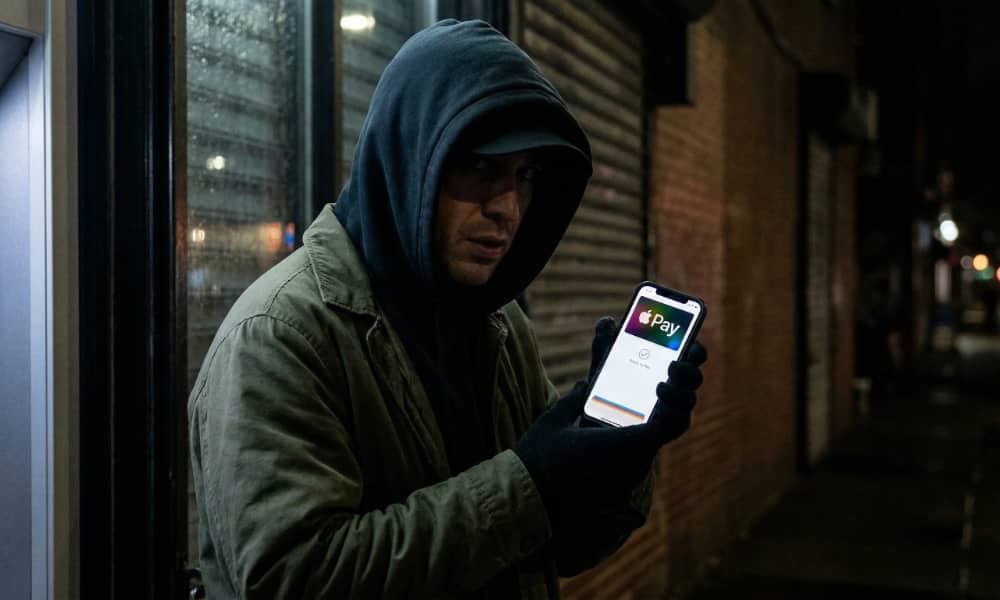
Apple Pay has become quite popular among Apple users. The contactless payment system is a quick, easy, and — most importantly — secure way to make purchases, whether you’re online or in line. Unfortunately, that sense of security is also making it a popular way for scammers to con people out of their hard-earned cash.
The Apple Pay Scam
In a new type of scam, cybercrooks are taking advantage of Apple Pay’s sterling reputation as a safe method of payment to separate users from their money, says a warning from consumer advocacy organization Consumer Affairs.
The objective here is the same as in other types of financial scams — to somehow confuse the target to such an extent that they can be convinced to hand over money to the bad actors.
These types of scams have been around for years. However, scam artists are always finding new approaches to take. In this case, Apple Pay has proven to be fertile ground not because it’s flawed — it’s still incredibly secure — but because many people don’t fully understand how it works behind the scenes, and are therefore likely to take warnings and alerts much more seriously, and not be entirely sure who to contact when there’s a problem.
For example, Apple Support still fields many calls from frustrated customers who mistakenly believe that the iPhone maker has some role in authorizing transactions, when the reality is that Apple Pay is just a more high-tech way of using the plastic card in your wallet, and everything is still ultimately controlled by the bank that issued the card. Apple doesn’t see your transactions at all; even transaction notifications in Apple Wallet are generated by the card issuer and merely relayed to your device by Apple.

What Does the Con Look Like?
Scammers have long taken advantage of newer technologies when attempting to make a haul from unsuspecting targets. The Apple Pay scams follow the same playbook.
The target will receive an official-looking email or text message, sometimes looking like it came from Apple, but it can also appear to be from your bank or from law enforcement.
The text/email will claim that a fraudulent purchase was attempted or declined using Apple Pay, and may claim that your account is either frozen or that it is currently under investigation.
The message will include the usual language to crank up the pressure for you to “take immediate action!” The wording is designed to spur the victim into action without thinking things through, possibly resulting in you doing things you wouldn’t normally do.
There will be a phone number that you are urged to call, or there will be a link that you are urged to click. Either way, you fall right into the hands of the bad actors running the scheme. The scammers will then walk you through “protecting” your money. However, what you’re really doing is giving them your money. Ironically, they often even ask for payment via Apple Pay.
Scammers will also try to convince victims to buy gift cards, often for the Google Play Store, then have the victim read the codes off of the cards, which the bad guys record, then sell the codes on shady websites.
For example, one case reported by Consumer Affairs shares how a victim received a text that warned her of a suspicious Apple Pay charge, urging her to call a number for help. That connected her directly to a scammer posing as an official “investigator” who convinced her to withdraw $15,000 from her account. Fortunately, when she went to the bank to make the withdrawal, an alert bank teller recognized the scam and convinced her to hang up.
How to Stay Safe from the Apple Pay Scammers
“I’d never fall for such a trick” you say. Well, people do fall for them every day. If crooks can catch you at the right time and push the right buttons, they may be able to convince you that the sky is falling and immediate action is required on your part to save the day.
To avoid such scams, remember the following:
- Apple will never contact you directly concerning a payment card stored in Apple Wallet or Apple Pay (unless it’s the Apple Card, of course). Even notifications about cards added to your Apple Wallet come from the card issuer, not Apple.
- Apple has no active role in authorizing or disputing transactions for third-party credit and debit cards (again, the Apple Card is the obvious exception). Anyone who claims otherwise is likely to be a scammer.
- Neither Apple nor your bank will ever ask you to provide your passwords.
- They also won’t ask you to transfer funds to an account they provide.
- They won’t ask you to purchase gift cards. Luckily, many retailers are educating their employees how to recognize when a person may be purchasing gift cards to pay off scammers.
- Never click any link or call any phone numbers in such an email or text message. If you want to check whether a warning is legitimate, take a beat and then contact Apple or your bank via a trusted phone number — ideally the one listed on their website or the back of your credit or debit card, not merely what comes up in a Google search result.
Finally, if you think that you have been targeted by a scammer of any kind, immediately contact your bank, and also report the incident to law enforcement, as well as the FTC.