A 1988 VHS-Era Privacy Law Could Soon Protect What You Watch Online
 Koshiro K / Adobe Stock
Toggle Dark Mode
Remember renting videos at Blockbuster? A privacy law from that era is now at the center of a Supreme Court case that could determine what websites are allowed to share about the videos you watch online.
On Wednesday, October 14, the court heard arguments in Salazar v. Paramount Global. The case asks whether a 1988 law meant to keep your video rental history private should be applied when a website passes along what you’ve watched to Facebook or other companies. A decision in favor of the consumer could have a major impact on online advertisers and users alike.
The Video Privacy Protection Act
In 1987, following President Ronald Reagan’s nomination of Judge Robert Bork to the Supreme Court, the Washington City Paper publicly released a list of 146 movies Bork rented from his local video store.
The next year, Congress passed the Video Privacy Protection Act (VPPA). It bans a “video tape service provider” from sharing information that identifies what you’ve watched without your permission. Penalties include $2,500 per consumer. This figure can add up fast in a class-action lawsuit with a massive number of internet users.

What Salazar v. Paramount Global Is About
In 2022, a man named Michael Salazar used his free subscription to a newsletter from 247Sports.com (owned by Paramount Global) to watch college sports videos on the site. At the time, he was logged into Facebook and soon saw targeted ads based on those videos.
Salazar claims 247Sports had a pixel (snippet of code) installed without his consent that provided Facebook with information about the videos watched. This allows Facebook to display more targeted ads to users. It’s an extremely common business model.
- Salazar’s position: Salazar believes signing up for the 247Sports newsletter made him a subscriber under the VPPA. It defines “consumers” as “any renter, purchaser, or subscriber of goods or services from a video tape service provider.”
- Paramount’s side: Paramount’s lawyers say you only qualify as a consumer if you paid for or subscribed to the videos themselves, not a newsletter. Any other interpretation, they claim, would turn the VPPA into a sweeping internet privacy law exposing virtually any company to costly lawsuits.
The case is drawing attention from privacy advocates and major corporations along with big business groups. The US Chamber of Commerce claims the case could upend the targeted advertising that pays for much of the free internet. Tracking views allows news organizations to provide content for free without the use of paywalls. Privacy advocates believe the case comes at a critical time, as people stream much of their video content, allowing for far more data collection and privacy concerns.
Sara Geoghegan, a lawyer with the Electronic Privacy Information Center, filed a brief supporting Salazar, stating, “We don’t have a general, federal comprehensive privacy law. But we do have this specific law that protects video viewing habits.”
A federal judge and an appeals court both threw out Salazar’s lawsuit, ruling that a newsletter isn’t the same as subscribing to video content. Paramount also stresses that the videos were free, making 247Sports a different business from a video rental store. On the other hand, appeals courts have reached the opposite conclusion in similar cases, which is why the Supreme Court stepped in.
What Happened at the Supreme Court
Based on the 90 minutes of oral arguments heard on Wednesday, it appeared the court may side with Salazar. However, a decision in his favor wouldn’t mean he wins the case; it simply allows the case to move forward, opening the floodgates for similar VPPA suits around the country.
Justices were torn over whether watching a video on a website is comparable to renting a VHS from a store and if there’s an easy solution, like requesting consent, as a workaround. Oftentimes, courts make a narrower interpretation of laws so as to limit their reach.
What This Means for You
A 2023 Pew Research Center survey of how Americans view data privacy revealed 67% of people don’t understand what companies are doing with their data. Further, 73% believe they have little to no control over what companies do with their data, while 79% felt the same way about what the government does with their data.
Remember, this case covers only video, not articles you’ve read online, products you’ve browsed, or other sites you’ve visited. The Supreme Court is deciding if Salazar is a “consumer” under the law. If yes, the case goes back to the trial court in Nashville and moves on to determine if 247Sports is a “video tape service provider,” if pixel data counts as personally identifiable information, if it can proceed as a class action, and finally, if Paramount violated the law.
The final outcome may change what you see on websites. But sites can still share your other activity with advertisers and you’ll continue to see targeted ads.
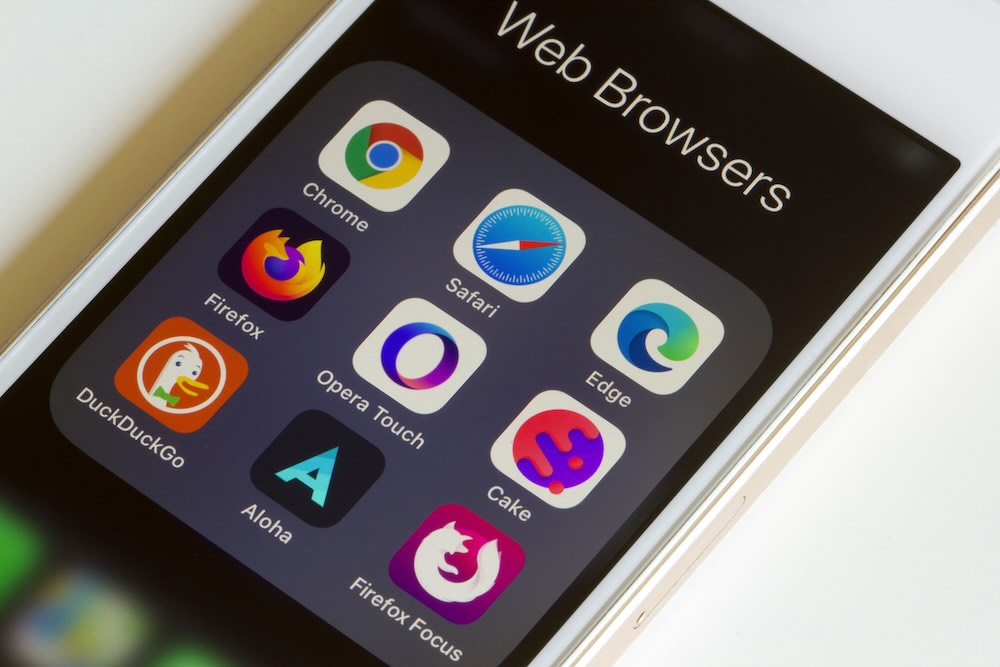
We’ll continue to follow this case. In the meantime, your Apple devices already include settings that make this type of tracking more difficult. Turn on Prevent Cross-Site Tracking in Safari on your iPhone, iPad, and Mac. None of these steps blocks every tracker, but together they will reduce tracking.