The Iconic iPhone X Is Now Officially ‘Obsolete’
Toggle Dark Mode
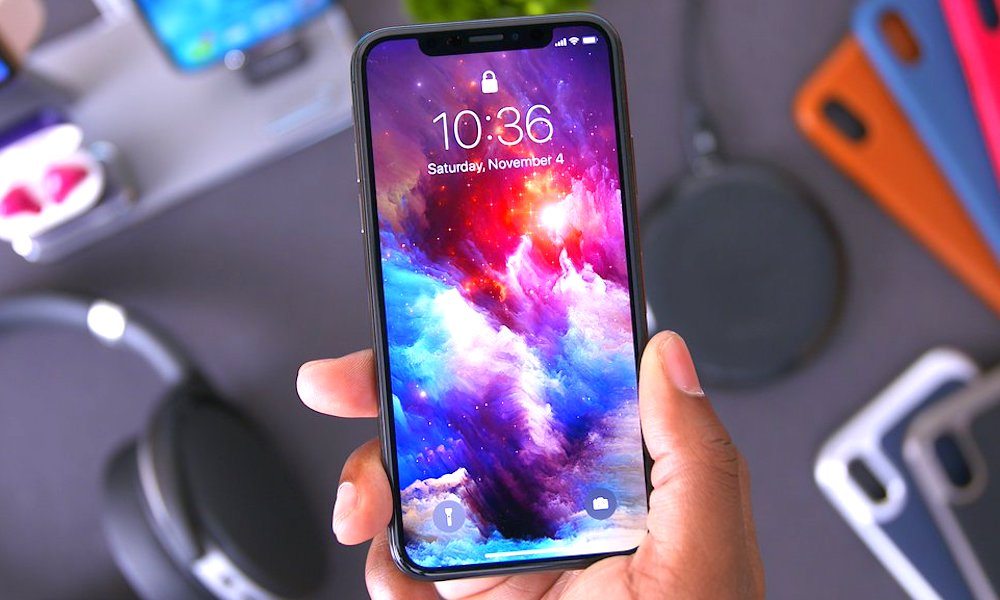
Another era ends this week as the iPhone that ushered in the modern Face ID generation is officially being put out to pasture.
Yesterday, Apple officially added the iPhone X to its obsolete products list, meaning it’s no longer possible to receive any kind of official hardware support for the legacy model, even if you’re willing to pay for it.
The iPhone X was already considered “vintage” — a designation Apple gives to products that have been off the market for at least five years — alongside the iPhone 8 and iPhone 8 Plus, which were released only a few months before Apple’s new flagship in late 2017. Repairs for vintage products are offered on a best-effort basis, depending on whether parts are available.
After seven years off the market, the product becomes “obsolete,” meaning Apple and its authorized service providers will no longer offer any hardware support. These timeframes may differ in certain regions, like France, where local laws mandate longer support periods.
The iPhone X joined the vintage list two years ago, which makes its move to the obsolete list almost right on schedule.

While the iPhone X launched us into the era of the edge-to-edge OLED display, Face ID, and new gesture-based controls that we take for granted today, it was also one of the shortest-lived iPhone models in Apple’s history, and set the stage for the future cycle of high-end flagships.
Even though Apple announced the iPhone X alongside two new iPhone 8 models during its fall iPhone event on September 12, 2017, the flagship didn’t go on sale until November 3. It was discontinued only ten months later, on September 12, 2018 — the day Apple released the iPhone XS as its replacement, alongside the larger iPhone XS Max. That left it on the market for only 313 days.
While it’s not uncommon for iPhone models to only last a year — in fact, it’s the norm for all of Apple’s iPhone Pro models — the delayed launch of the iPhone X shaved two months off that. This was repeated for the iPhone 12 Pro Max, which went on sale on November 13, 2020, due to COVID-19 delays, while being discontinued with the release of the iPhone 13 lineup on September 14, 2021.
That makes the iPhone 12 Pro Max the shortest-lived overall at only 305 days on the market, but it’s not entirely a fair comparison, as the iPhone X was a wholly unique device, while the iPhone 12 Pro Max had a smaller counterpart, the iPhone 12 Pro, that launched a month earlier and was therefore sold for 326 days — 13 days longer than the iPhone X.
By comparison, Apple’s standard iPhone models have a tendency to linger for two or three years after their release. As a result, the iPhone 8 only hit the vintage list last May, which means it won’t show up on the obsolete list until sometime in 2027.
While vintage and obsolete iPhone models are usually also left behind on older iOS versions, we’ve seen some oddities like the iPhone XS Max, which was declared vintage in November 2024 despite still supporting iOS 18. However, that’s not the case for the iPhone X, which was cut off in 2023 when iOS 17 drew the line at the iPhone XS, iPhone XS Max, and iPhone XR.