Starlink Might Cut Out the Middleman to Become Your iPhone’s Next Carrier
 Gorodenkoff / Adobe Stock
Toggle Dark Mode
Apple has offered satellite connectivity since the iPhone 14 models debuted, allowing users to contact emergency personnel when they are outside the range of normal cellular connectivity, but some day it may use a satellite connection for all of your daily phone use.
Elon Musk’s SpaceX has told investors that it plans to launch a new Starlink mobile service for US consumers, according to Ars Technica. If the plan goes forward, it could definitely shake up the US phone network industry.
According to the publication’s sources, SpaceX president and chief operating officer, Gwynne Shotwell, told investors at a recent IPO roadshow that the company was considering a Starlink retail product that could lead to the creation of its own terrestrial US mobile network.
In other words, Starlink would sell mobile access directly to customers — sidestepping the traditional US cellular network operators, such as AT&T, T-Mobile, and Verizon.
Until now, SpaceX has worked with telecom companies, such as T-Mobile, to provide access to its satellites that supplements their network coverage, which can be thin in rural areas. The deal likely provides a cut of T-Mobile’s revenues from customers that have plans that include satellite access.
SpaceX moving into consumer mobile phone service would rank right up there with the company’s original launch of its Starlink service, which now offers high-speed satellite internet access in over 150 countries around the globe.
Dealing directly with consumers would reduce Starlink’s reliance on the telecom firms that are currently acting as the middleman between customers and the satellite firm.
SpaceX did not respond when contacted for comment by Ars Technica.
The leak of SpaceX’s plans for Starlink comes shortly after the company’s initial public offering. It now faces pressure from investors to deliver rapid growth and find new revenue sources.
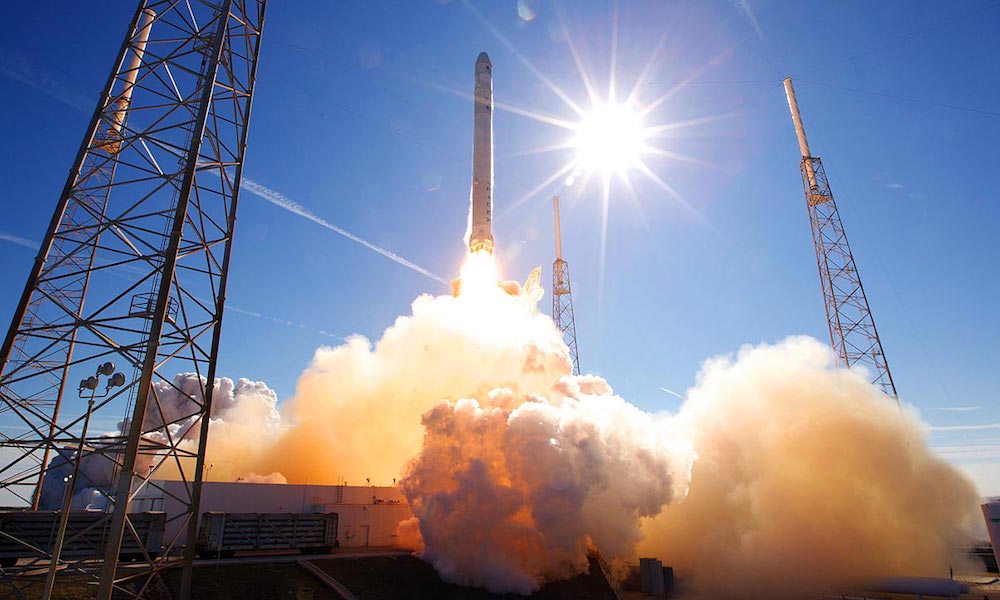
While Musk has described expanding Starlink to make it a key ingredient in growing revenue — perhaps not surprising as it’s the only part of SpaceX that’s turning a profit right now — he’s never publicly confirmed plans to launch a direct-to-consumer mobile service.
Speculation over Musk’s plans for a SpaceX mobile phone service began in earnest months ago, after it paid $17 billion to rival EchoStar for wireless spectrum licenses last September, a move that will bolster its satellite network. That is when analysts began making noises about the deal, saying it would lay the groundwork for an eventual retail mobile service offering.
The launch of such a retail mobile service would be an excellent complement to Starlink’s existing broadband service, allowing it to package home and mobile internet, much like providers such as T-Mobile do today. Starlink’s broadband served 10.3 million customers worldwide as of March.
However, other analysts caution that the move may merely be a gamble to get better deals from Starlink’s current telecom partners, saying it would need billions of dollars to build such a network, as well as the radio wave spectrum required to back it up.
A recent Street Research estimate shows that the three major US mobile network operators collectively have a total of approximately 1,020 MHz of spectrum, while SpaceX holds a mere 65 MHz.
David Barden, partner at New Street Research, said that building a “wireless network in saturated markets around the world would be incredibly hard.” However, he also said, “as a starting point for negotiating the best possible revenue-sharing deal with mobile network operator partners? It makes tremendous sense.”