Are AirTags Now Safe to Swallow?
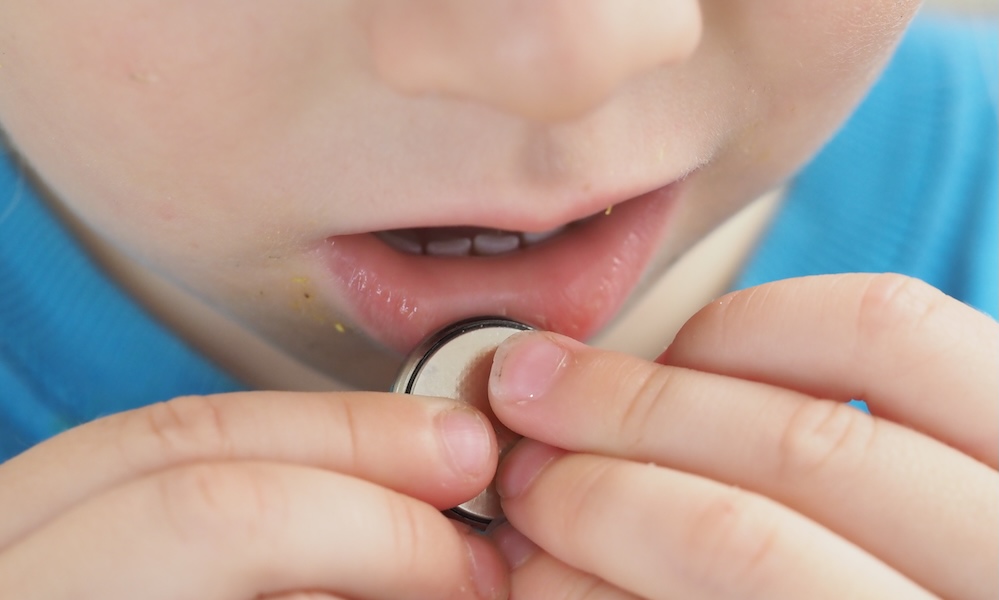 Elroi / Adobe Stock
Toggle Dark Mode
Although we would strongly recommend against ingesting an AirTag for a whole lot of reasons, Apple’s trackers have potentially become a little bit safer for the youngsters they’re often used to track — as long as you’re using the right batteries.
In 2021, the Australian Competition & Consumer Commission (ACCC) issued a warning to parents urging them to keep AirTags out of the reach of young children over fears about the security of the coin or “button” battery inside. These safety concerns even resulted in large retailers in Australia, like Officeworks, removing AirTags from shelves.

The good news is that Energizer has just taken a big step towards easing those AirTag safety concerns. It’s not cybernetics just yet, though (sorry, everyone) — AirTags still aren’t meant to be swallowed, but at least they’re less likely to harm you if one accidentally does find its way down your throat.
According to Energizer, more than 3,500 coin batteries are swallowed annually. That’s a surprising statistic, but it explains why the company has just released a new battery designed to offer parents some peace of mind. A new line of Ultimate Child Shield coin lithium batteries is now available in the most popular coin battery format, the CR2032 — which also happens to be the AirTag’s battery size.
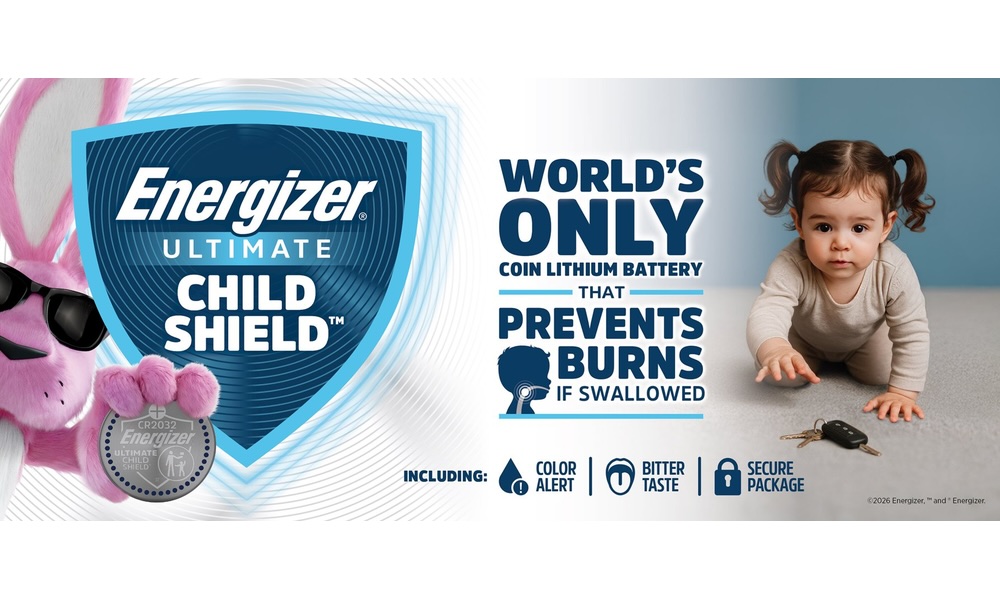
This new Child Shield battery has three distinct safety features to help protect children.
First, Energizer is doubling down on the industry-standard bitter coating. While this isn’t a new feature — both Energizer and Duracell have offered it for about five years — Energizer has improved on it to ensure it’s AirTag-compatible; earlier versions often had a film that created challenges for the AirTag, often resulting in it unexpectedly powering off at the worst possible moment. Like previous bitter coatings, which typically use Denatonium Benzoate, it’s activated a few seconds after it comes into contact with saliva. If it functions properly, it should release an unpleasant taste encouraging kids to spit it out rather than swallow it.
While making its batteries taste really bad is a good start, Energizer’s Ultimate Child Shield coin lithium batteries add a much more crucial second layer of protection with Ingestion Burn Protection. When anyone swallows a normal coin lithium battery, saliva completes an electrical circuit between the battery’s two poles, causing a process called electrolysis. Electrolysis causes sodium hydroxide (lye) to build at the negative terminal. Lye can begin burning through tissue in as quickly as 15 minutes, resulting in severe or fatal damage in as little as two hours.
People generally don’t show signs of pain initially, so there’s little warning for parents. Ingestion Burn Protection includes a current-limiting layer or coating that restricts the amount of current the battery delivers when in contact with saliva or tissue, minimizing this electrolysis reaction. It also includes a chemical neutralizer that counteracts the alkaline buildup before it becomes damaging.
Finally, the battery is coated with a non-toxic food-grade dye, called Color Alert technology, that will react when exposed to moisture and turn a child’s mouth blue. This will alert parents or caregivers to the potential ingestion of the battery. The battery contains an amount of dye equivalent to one ounce of a sports drink. It could stain clothes or furniture but isn’t otherwise harmful.
To be absolutely clear, Energizer’s new features do not mean swallowing one of their new lithium coin batteries is safe. It’s still a choking and chemical hazard, and should always be treated as a medical emergency.
While the primary danger from lithium coin batteries is the caustic burn that Energizer now protects against, the internal chemicals are still toxic and can result in poisoning if the battery’s casing is breached. However, these advancements can minimize the immediate injury and buy critical time to get proper medical care.
While subdermal microchips could be right around the corner, we’re left with AirTags for now. If you’re using them to help track your kids and their belongings, Energizer’s new Ultimate Child Shield coin batteries will at least provide a bit more peace of mind.