How Apple’s Satellite Tech Coordinated a 4-Hour Avalanche Rescue
Toggle Dark Mode
On Tuesday, six skiers were stranded as the result of an avalanche near Lake Tahoe, and in a somber coincidence, it was an Apple feature that facilitated the group’s rescue in the very location that serves as the namesake for its latest Mac operating system.
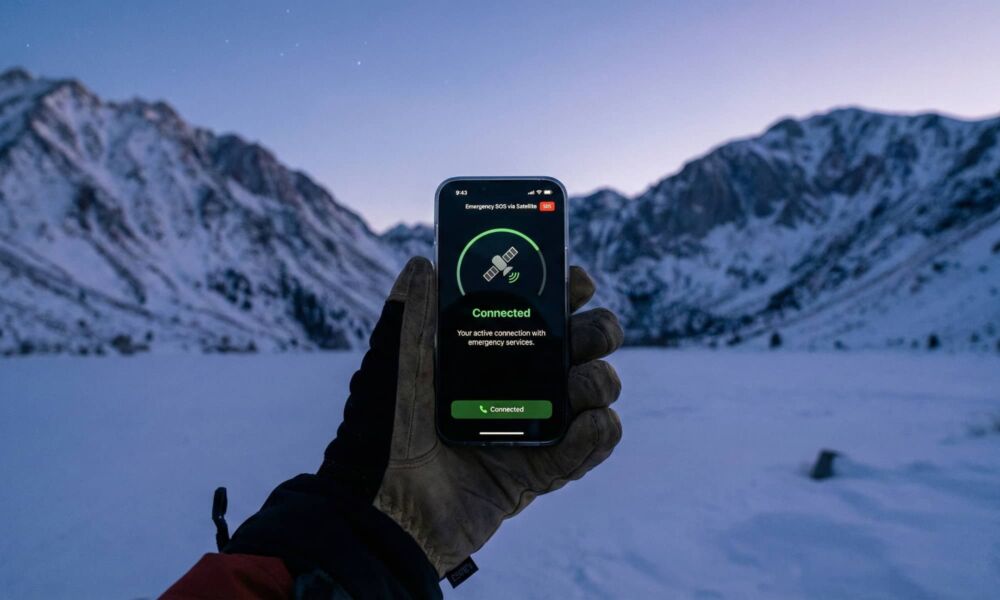
However, in this case it wasn’t the Mac, but the iPhone that connected the group with much-needed help, thanks to its Emergency SOS via satellite feature.

Don O’Keefe of California’s Office of Emergency Services told The New York Times that the six survivors used the Emergency SOS feature and an emergency beacon — a Garmin inReach — to communicate with emergency responders and help them get a fix on their location. In this case, the group used emergency satellite text messages to communicate with the Nevada County Sheriff’s Office as it coordinated the rescue efforts.
One of my personnel was communicating with one of the guides over a four-hour period, giving information back to the Nevada sheriff’s office and coordinating what rescues could be permitted.
Don O’Keefe, California’s Office of Emergency Services
The six skiers who were rescued were the only survivors of a group of 15 that were hit by the avalanche. Tragically, the other nine didn’t make it out, with eight buried by snow and debris and one still missing and presumed dead. The group were taking a three-day trip through northern California’s Sierra Nevada mountains, led by Blackbird Mountain Guides, according to CNN. The survivors included one of the guides and five clients, while three guides and six clients made up the nine who were killed in the avalanche.
“This was an enormous tragedy, and the saddest event our team has ever experienced,” the company’s founder said in a statement. “In addition to mourning the loss of six clients, we also mourn the loss of three highly experienced members of our guide team. We are doing what we can to support the families who lost so much, and the members of our team who lost treasured friends and colleagues.”
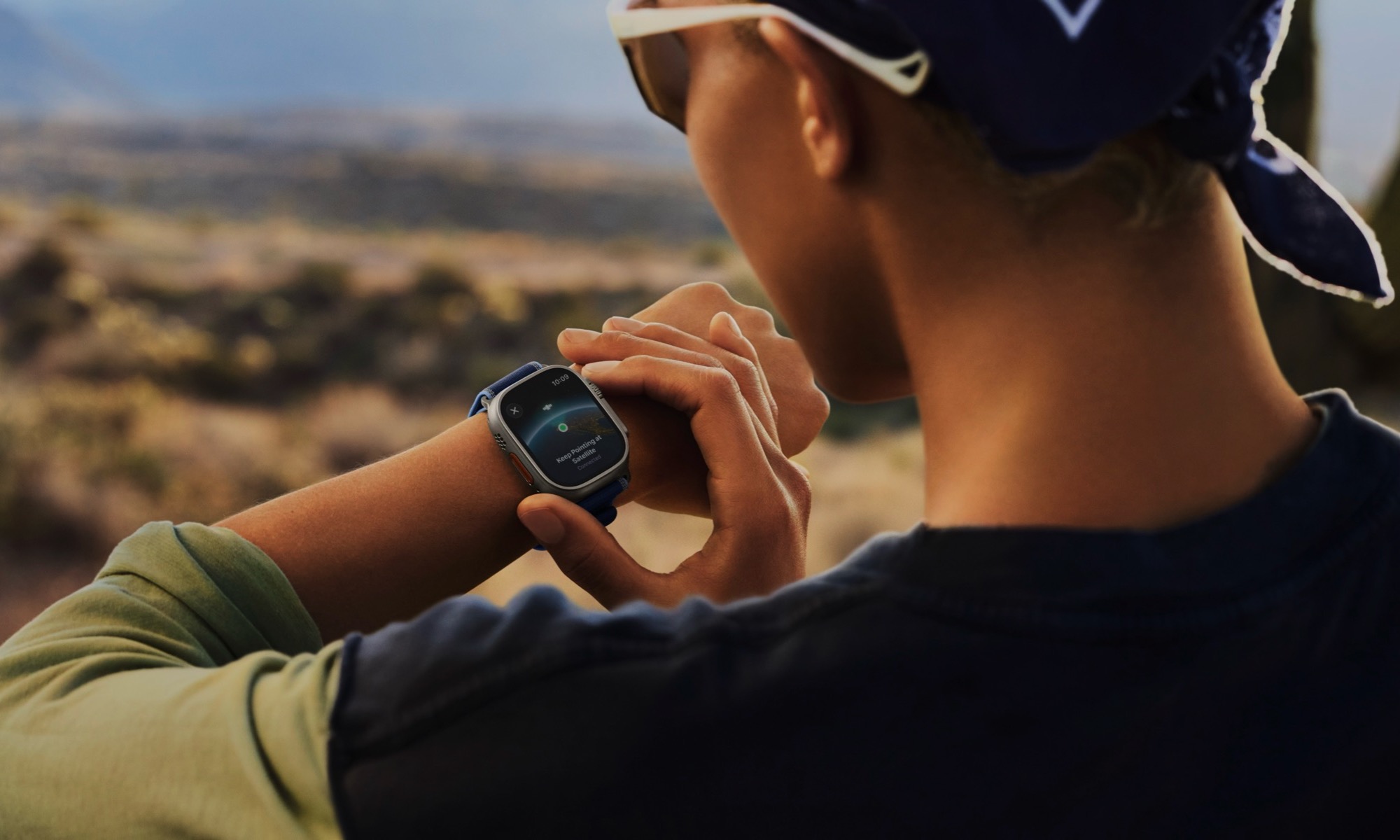
While the Times doesn’t provide any details on what model of iPhone was used, the Emergency SOS via Satellite feature has been available on the 2022 iPhone 14 and all newer models, including the budget iPhone 16e. Last year’s Apple Watch Ultra 3 also gained this capability, allowing help to be summoned without an iPhone nearby, whether that’s because it was left behind or it’s fallen down a crevasse.
Since introducing Emergency SOS via satellite in 2022, Apple has offered all of its satellite features — which now also include roadside assistance and text messaging — free for two years with the purchase of a compatible iPhone or Apple Watch. However, it’s also repeatedly extended this offer, to the point where even folks who bought an iPhone 14 on launch day remain covered until at least this fall.
Considering how critical the Emergency SOS via satellite feature has turned out to be, we wouldn’t be surprised to see Apple continue extending it almost indefinitely. The company has yet to even hint at how it plans to charge for these satellite services, and it’s beginning to feel like these time limits are just being set so the company can keep its options open. Nevertheless, while it might be reasonable to eventually charge for its more recent Messages via Satellite feature, we can’t imagine Apple wanting to deal with someone dying in the snow just because they didn’t pay their satellite bill.