No More Double-Dipping: Huge Qualcomm Lawsuit Finally Concludes
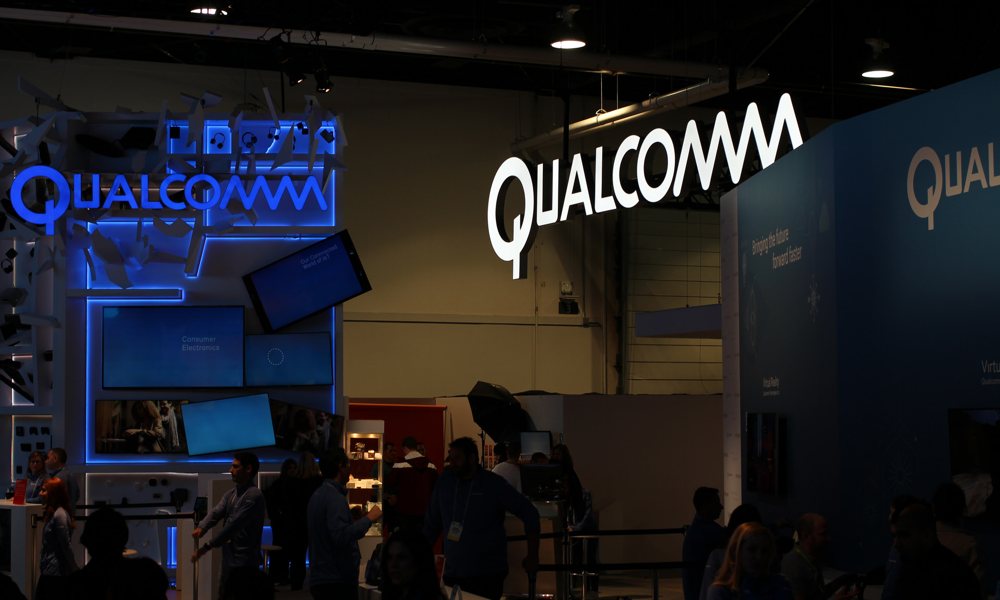 Maurizio Pesce / Flickr / CC BY 2.0
Toggle Dark Mode
Timmy: You double-dipped the chip!
George: “Double-dipped”? What are you talking about?
Timmy: You dipped the chip. You took a bite. And you dipped again.
George: So…?
Timmy: That’s like putting your whole mouth right in the dip! From now on, when you take a chip, just take one dip and end it!
Much like George Costanza, who was accused of double-dipping his chip in the Seinfeld episode The Implant (February 5, 1993), chipmaker Qualcomm has also dipped twice in the tech licensing salsa, prompting a legal battle that has recently come to an end after several years of litigation in UK courts.
The lawsuit concerned the amount Qualcomm charged for the modems it provided Apple with for use in its iPhones. Now, the consumer group that originally filed the case has decided to end it.
British consumer group “Which?” is putting an end to its five-year-long case against Qualcomm, which sought damages over artificially inflated prices on iPhone modems. The group initially sought damages of more than 480 million pounds ($652.03 million) to compensate 29 million customers in the UK who had purchased Apple or Samsung devices.
Qualcomm was accused of effectively charging Apple twice for the use of each chip: once for the chips themselves, and then again for a patent license that granted Apple the right to use the technology that powered the chips. Hence the “double-dipping” accusation.
The lawsuit also accused Qualcomm of making companies pay regardless of whether the chips were used in the devices in question.

“Which?” launched the lawsuit back in 2021, claiming Qualcomm had illegally inflated its prices for 4G modems with its “double-dipping” methods. The group argued that the costs of the modem maker’s actions were ultimately passed down to consumers who purchased Apple and Samsung smartphones. The group sought £17 ($23) in damages for each affected device purchased by customers covered in the claim.
As you might expect, Qualcomm called the lawsuit baseless, claiming it mischaracterized a long-standing requirement that manufacturers must obtain licenses for standard essential patents in addition to buying the physical chipsets.
The Competition Appeal Tribunal had yet to give a ruling following last year’s trial, which took place over five weeks in October and November 2025.
Now, in a statement shared by Reuters, “Which?” has announced that it will withdraw the lawsuit after reaching an agreement with Qualcomm.
While the terms of the agreement have yet to be revealed, we do know that Qualcomm will not be required to make any payments to the claimant class. Well, there goes that big extra Value Meal for two at McDonald’s! Without a payout, UK consumers won’t be seeing a single penny from the settlement.
The consumer group says that the tribunal would find that Qualcomm didn’t coerce Apple or Samsung to sign any binding agreements. It also noted that the tribunal would further find that Qualcomm’s practices “did not infringe competition laws, did not result in inflated royalties, and did not lead to an increase in prices consumers paid for their mobile phones.”
A Qualcomm spokesperson told Reuters that “this recognition by the class representative, following a trial on the merits, reaffirms what the courts in the United States have repeatedly held: Qualcomm’s licensing practices are lawful and do not harm competition.”
We may not hear too many more of these old lawsuits making the rounds, as the licensing disputes are now fading out with the arrival of Apple’s C-series modem chips the company designed completely in-house, largely to end its dependence on the complex and often unbalanced deals it was previously forced to make with Qualcomm.