Here’s Why the M5 Pro and Max MacBook Pro May Be Worth the Wait

Toggle Dark Mode
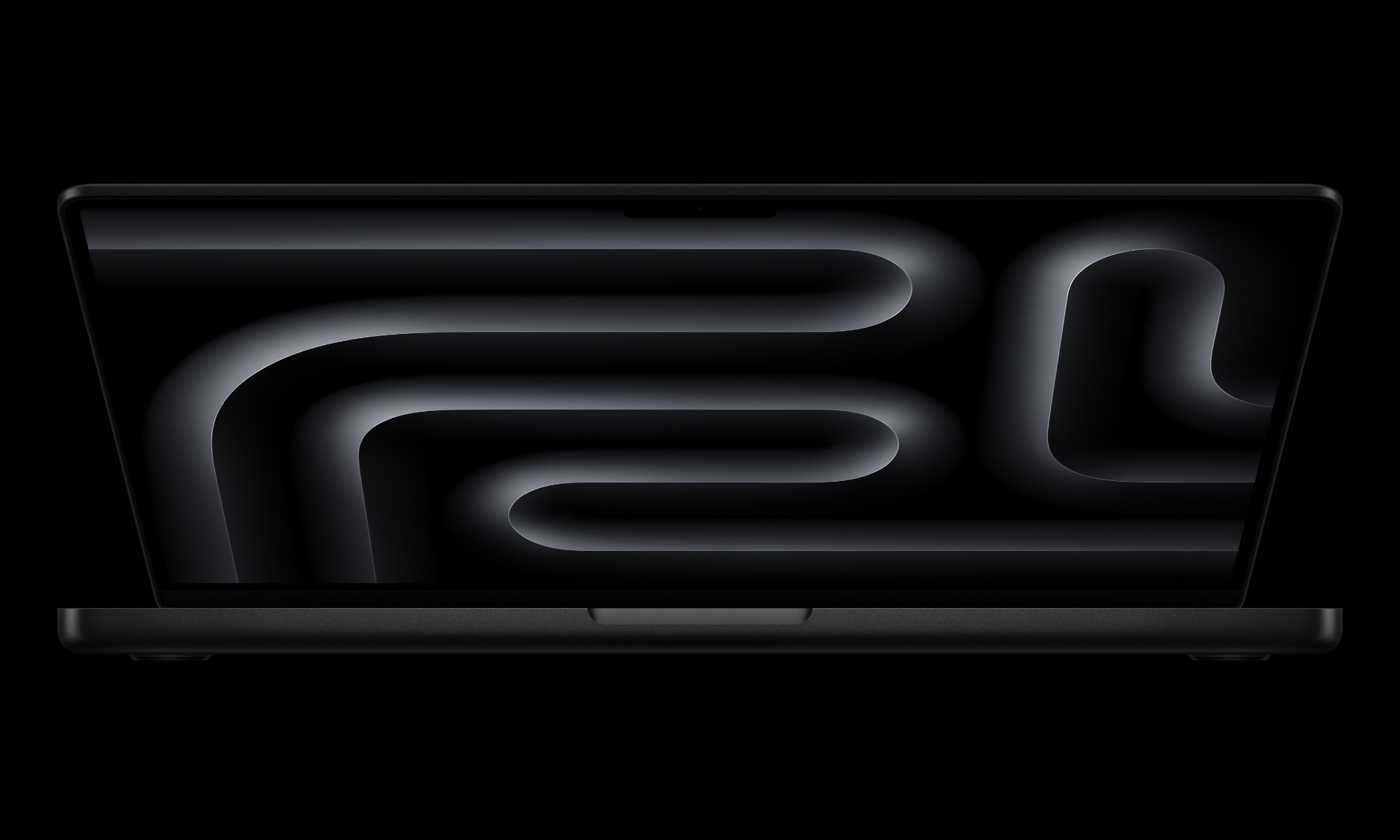
In October, Apple made the unusual move of releasing a lone 14-inch MacBook Pro featuring its latest M5 chip, while leaving its higher-end models behind on the 2024 M4 Pro and M4 Max versions. While Apple has frequently debuted its standard M-series chips ahead of the Pro/Max variants, this was the first time it had split up its MacBook Pro models since unifying the family into a common design in 2023.
The delay of the M5 MacBook Pro lineup had already been hinted over the summer, but it was initially believed to be based on Apple’s desire to spread out its product releases. However, as October approached, it became apparent that the real reason was that the more powerful M5 chips simply weren’t ready for prime time.

Now, a new report from leaker “Fixed Focus Digital” is giving us some insight on why that might be, while suggesting that the new Macs could still be a few more weeks off.
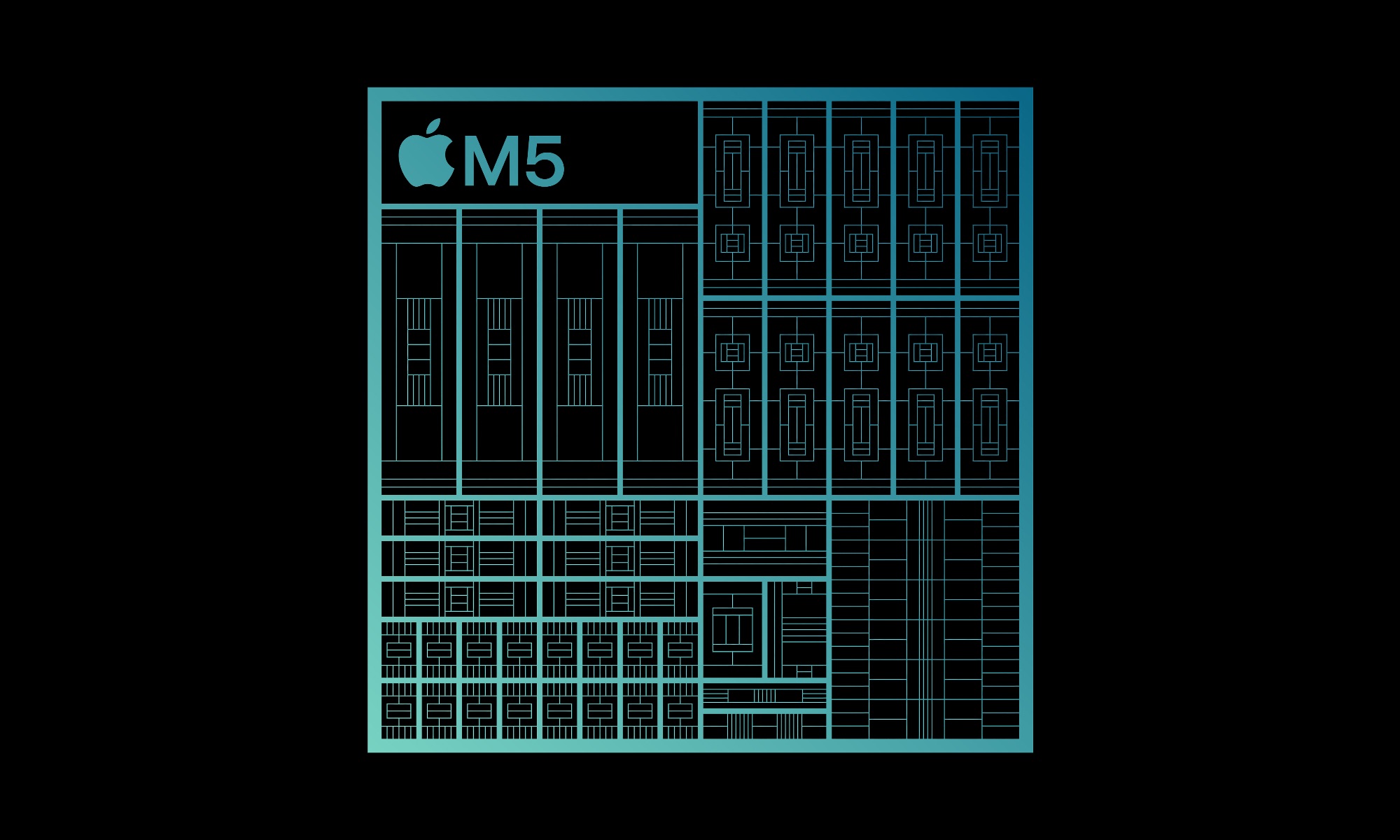
In a recent Weibo post, the leaker suggested the higher-end Apple M5 chips may not come until March, while also adding that they’re using TSMC’s more advanced “SoIC” System on Integrated Chips packaging, later adding that this will not only reduce costs slightly, but result in better heat dissipation, thereby allowing them to run faster and cooler.
While Fixed Focus Digital has a mixed track record, the SoIC aspect of the design for the M5 Pro is something we’ve been hearing tossed around the rumor mill since late 2024. By the time the M5 chips reportedly went into production last February, several reports from folks like Ming-Chi Kuo had said that, while the M5 would follow directly in the footsteps of the M4, the new packaging on the M5 Pro/Max would split the design to separate the CPU and GPU — a first for Apple silicon. The specific process involved was said to be TSMC’s SoIC-mH, with those last two letters standing for “Molding Horizontal,” referring to the process of putting multiple disparate chips into a single package.
This change is said to provide “server-grade” packaging that allows for better production yields and thermal performance, and could also allow for more CPU and GPU combinations in Apple’s highest-end systems.
Timing is Everything
While the plethora of reports back up this new chip design as being a primary reason for Apple’s decision to delay the flagship MacBook Pro models, Fixed Focus Digital’s March timeframe should still be taken with a grain of salt. Most supply chain leakers are often more accurate about the “what” than the “when” regarding Apple’s plans.
With February being a short month, an early March release isn’t out of the question, but it’s also significant that identifiers for at least some the new chips have shown up in Apple’s latest (and, presumably final) OS 26.3 release candidates.
Specifically, MacRumors reports on a T6051/H17C and T6052/H17D, which, based on Apple’s conventional naming, should correspond to an M5 Max and M5 Ultra, as the M4 Max was T6041/H16C and the M3 Ultra was T6032/H15D (Apple skipped the M4 Ultra). However, this leaves an M5 Pro identifier missing from the puzzle, as that should be T6050/H17S. Of course, it’s entirely possible Apple has merely shifted its numbering. It’s also possible that, with the ability to mix and match CPU and GPU configurations, the new SoIC-mH design has effectively “merged” the M5 Pro and M5 Max into a single chip identifier. Meanwhile, the M5 Ultra identifier hints that a Mac Studio could also be just around the corner.
Either way, this seems to corroborate reports that the new Macs will launch with macOS 26.3, which is expected to arrive next week. There’s also bene speculation that recent changes to Apple’s Mac purchasing flow are intended to allow users more flexibility in choosing CPU and GPU configurations. Still, none of this guarantees that the new Macs arrive at the same time macOS 26.3 comes out — merely that they’re likely to land during that version’s lifetime, before it’s superseded by macOS 26.4.
After all, we saw the same scenario with the iPhone 16e last year; the rumor mill said it was coming alongside iOS 18.3, but all it really meant was that the new device would be running that version once it was eventually released. It’s fair to say the same for Apple’s next generation of M5 Pro/Max Macs; even if they arrive in March, they’ll still come during the era of macOS 26.3, as the next update isn’t expected until April, at the earliest.
[The information provided in this article has NOT been confirmed by Apple and may be speculation. Provided details may not be factual. Take all rumors, tech or otherwise, with a grain of salt.]