The $30 Billion Tipping Point: Why Apple is Moving Your Mac Apps to ‘Rentals’

Toggle Dark Mode
It’s well known that Apple has been betting heavily on making money from services over the past few years, and the strategy appears to be continuing to pay off. Only a few days ago, we saw Apple’s services revenue reach the $30 billion mark in a given quarter, making it clear that, for Apple and its investors, services are the gifts that keep on giving.
While the iPhone is still Apple’s bread and butter, accounting for over half of the company’s annual revenue, services now make up more than every other product category combined: $30 billion versus $28.5 billion for Mac, iPad, and Wearables.
Following the Adobe Playbook
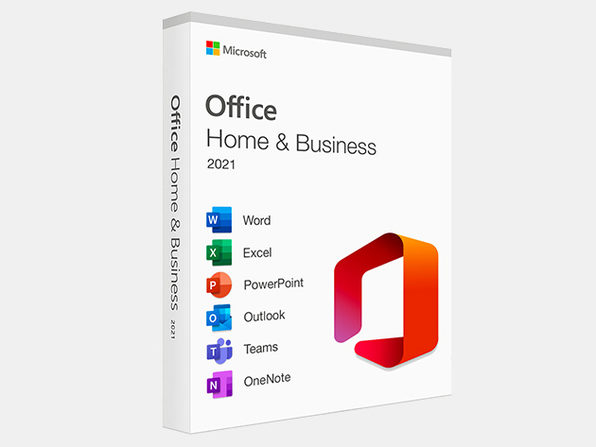
So, when Apple Creator Studio showed up last month, it seemed inevitable that Apple, a company that was once seen as the last bastion of software and media ownership would be following the trails blazed by Adobe and Microsoft into a world where you merely “rent” the apps on your Mac.
Lest we think that this is just Apple’s attempt to compete with Adobe on its own turf, Bloomberg’s Mark Gurman recently said out loud what many of us have been thinking: that this is just the start of a slippery slope:
There’s still a lot more to come, though. I believe Apple is looking at all areas of its software and services — with an eye to adding both more bundles and paid upgrades. That’s not to mention a looming advertising expansion within the App Store and, after that, Apple Maps.
Mark Gurman
To be fair, this trend has been something of a slow burn. It arguably began in 2015 when Apple Music debuted, marking the beginning of the end for the iTunes Store, but at least most of the services that Apple introduced after that were “value added” things: Apple TV, Apple Arcade, Apple News+, and Apple Fitness+ all broke new ground by offering things that had never been available in any other way.
It’s also fair to say that Apple didn’t actually kill the iTunes Store. The marketplace rendered it far less relevant as more and more folks chose streaming music over digital purchases, but as Bloomberg’s Ashley Carman reported on Friday, iTunes remains alive and well in a large enough niche market that the record labels actually care about it.
From Perpetual Ownership to ‘App Rentals’
Sadly, Apple Creator Studio may end up going in a different direction. So far, the new $12.99/month subscription package is mostly optional for pro creators — and it’s also a far better deal than Adobe’s $54.99/month Creative Cloud — but Apple has also placed just enough inside Creator Studio’s walls to blur the lines, and there’s a sense this is just the beginning of encouraging more folks to ditch their perpetual licenses and pay up on a recurring basis.
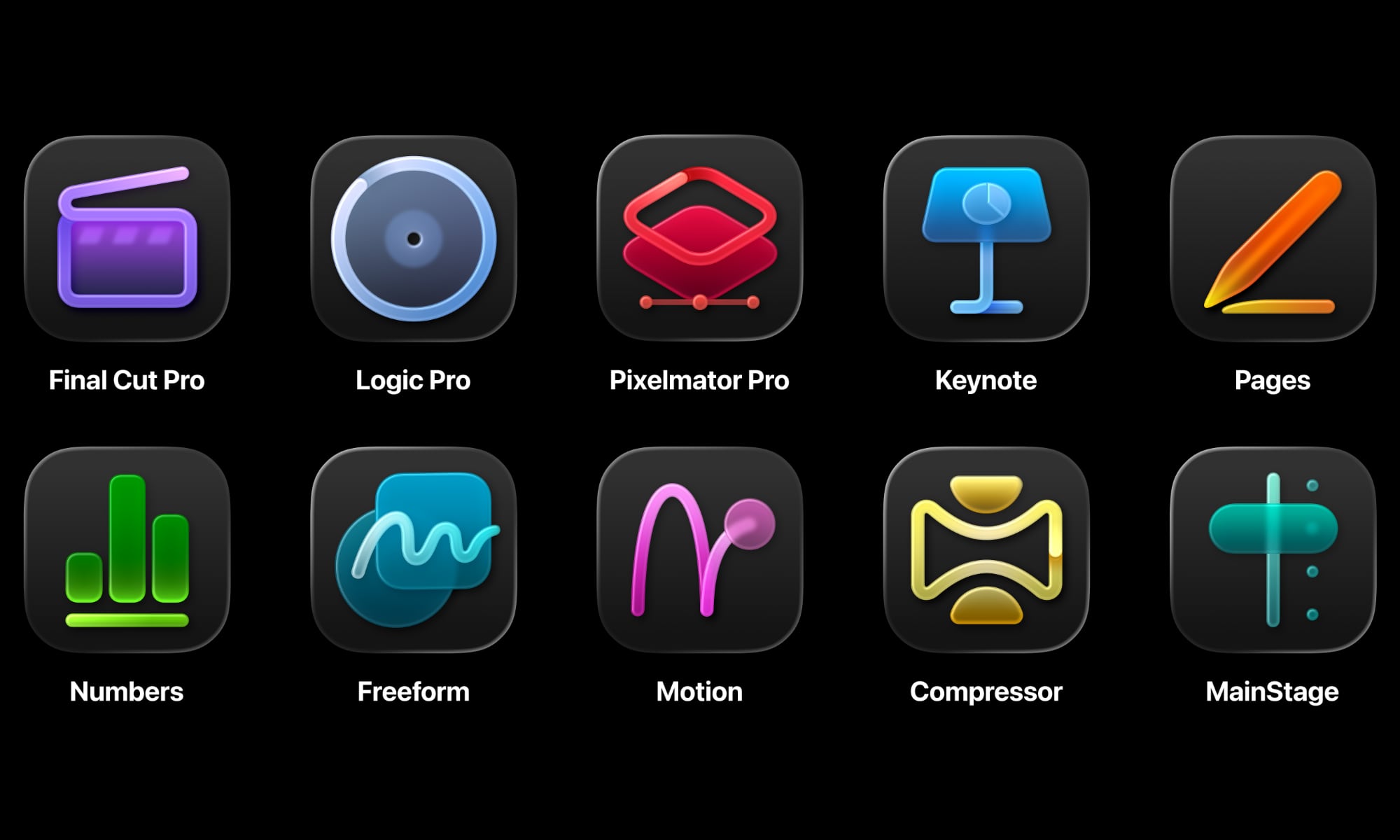
For instance, the first casualty of Creator Studio was the Pro Apps Bundle for Education, a one-time purchase that gave qualifying students and educators Final Cut Pro, Logic Pro, and all of the ancillary tools like Motion, Compressor, and MainStage for only $200. Granted, the $29.99 annual educational price for Creator Studio renders the bundle mostly irrelevant for students, most of whom will only end up paying $120 over a four-year term, but the Pro Apps Bundle was also sold to educators who might use it for a teaching career that spans decades. It still exists as a build-to-order add-on when buying a new Mac from the Education Store, but it’s anybody’s guess how long that will last.
Further, while Apple was gracious enough to release updates to Final Cut Pro and Logic Pro for Mac that delivered the same features as the Creator Studio version, owners of Pixelmator Pro weren’t so fortunate. The standalone version of that was last updated two months ago, to version 3.7.1, and the only way to get the 4.0 version with the new Warp tool is to pay up for Creator Studio.
This also only applies to the Mac apps. The iPad versions of Final Cut Pro and Logic Pro have been subscription-based since they launched in 2024. However, Creator Studio raises the price of entry for these. You get quite a bit more for that $12.99, including Pixelmator Pro, which didn’t exist before Creator Studio, but that’s small consolation to someone who only needs a single tool and was paying $4.99 for it.
The ‘Freemium’ Future of iWork
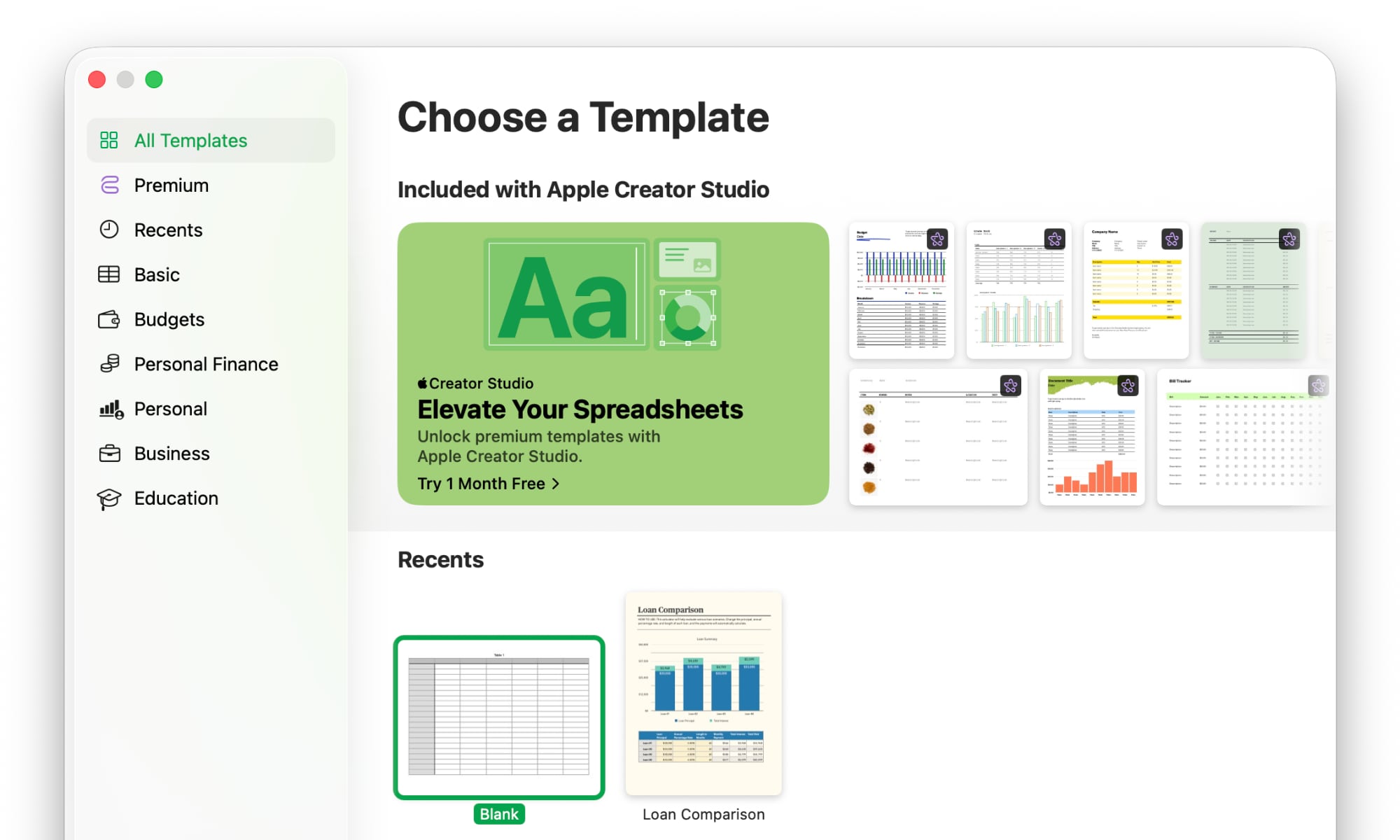
Then there’s Pages, Numbers, and Keynote, which Gurman calls out as “the upselling of existing free apps.” While those are still technically free, there’s something about the way Apple is morphing them into Creator Studio that’s leaving a bad taste in the mouths of some Apple fans.
One of the key levers Apple is pulling here is including paid versions of Pages, Keynote and Numbers that add features such as a little bit of AI dust.
Mark Gurman
On the surface, the main upsell for the “iWork” apps is the Content Hub, effectively Apple’s version of Adobe Stock. If that was the only tie-in to Creator Studio, it would be totally understandable, as good content doesn’t come free.
However, Apple is also limited new AI tools to paying subscribers. So far, that’s only “Draft Presentation” in Keynote and “Magic Fill” in Numbers, but the fact that they feel like core productivity features and not add-ons is a bit unsettling, and doesn’t bode well for the future of these apps.
In all fairness, these new tools employ cloud-based generative models that come via Apple’s partnership with OpenAI, so there’s undoubtedly a cost involved. However, the same could be said for the ChatGPT integrations in Siri and Image Playground, but this might also be the first hint of an “Apple Intelligence Pro” tier that we’ve often heard speculation about.
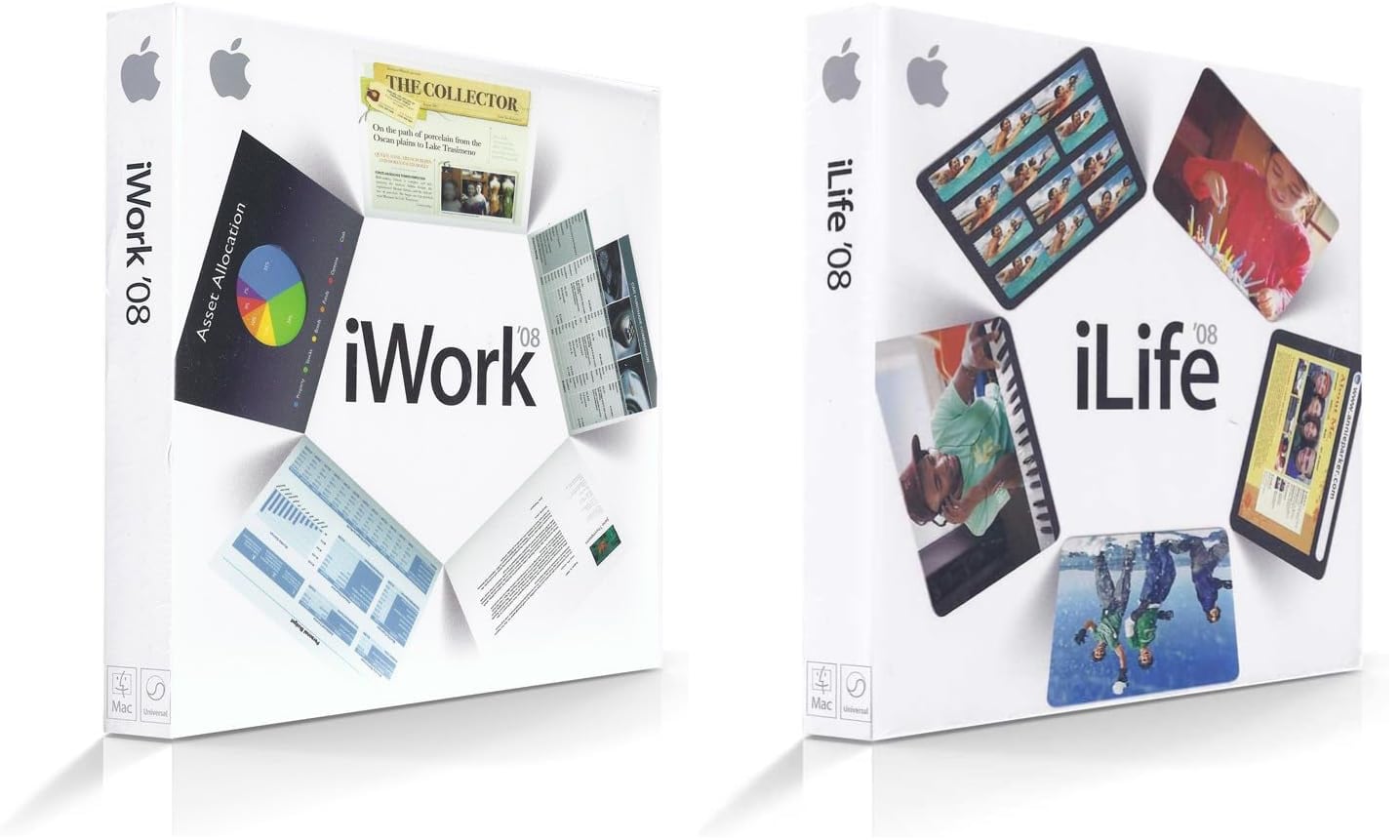
In some ways it feels like we’re coming full circle to the days when iWork was sold on the shelves of Apple retail stores as a boxed DVD. While it’s unlikely Apple will ever slap Pages, Numbers, and Keynote entirely behind a subscription, there’s a chance that the features available today may be the only ones that remain free. Five years from now, we may be in a world where the free versions feel more like “Lite” or “Trial” versions compared to what the Creator Studio ones are capable of.