Is Another Apple Watch Ban Looming? ITC Probes Fall Detection Patents
 Apple
Apple
Toggle Dark Mode
A Texas-based smartwatch company claims Apple and other major tech firms are infringing on its patented fall detection technology, reports AppleInsider.
UnaliWear of Austin, Texas, filed a complaint with the US International Trade Commission (ITC) on December 12, 2025, alleging that Apple — along with Google, Samsung, and Garmin — has infringed its patents regarding the specific AI-driven mechanisms used to detect when a wearer has fallen.

The complaint accuses these companies of violating section 337 of the Tariff Act of 1930, which allows the ITC to ban the import of infringing products into the United States. We already saw this in action two years ago when the Apple Watch was briefly pulled from shelves during a separate dispute over blood oxygen sensors. Companies often choose the ITC route for these complaints as the process moves significantly faster than traditional patent lawsuits, which can drag on for years.
The ITC officially kicked off its investigation on January 8, giving Apple and the other companies named in the complaint until January 28 to respond. As of this writing, none of the firms have commented publicly on the investigation.
As noted by Mactrast, UnaliWear is what’s known as a “practicing entity,” rather than one of the usual “patent trolls” that frequently target Apple and other big tech companies. The company develops and sells its own smartwatch that’s been on the market for several years, using the very technology it claims others have misappropriated. That’s a stark contrast from many of the lawsuits we see coming from “non-practicing entities” that buy patents for the sole reason of suing companies to get a payday rather than creating actual products with them.
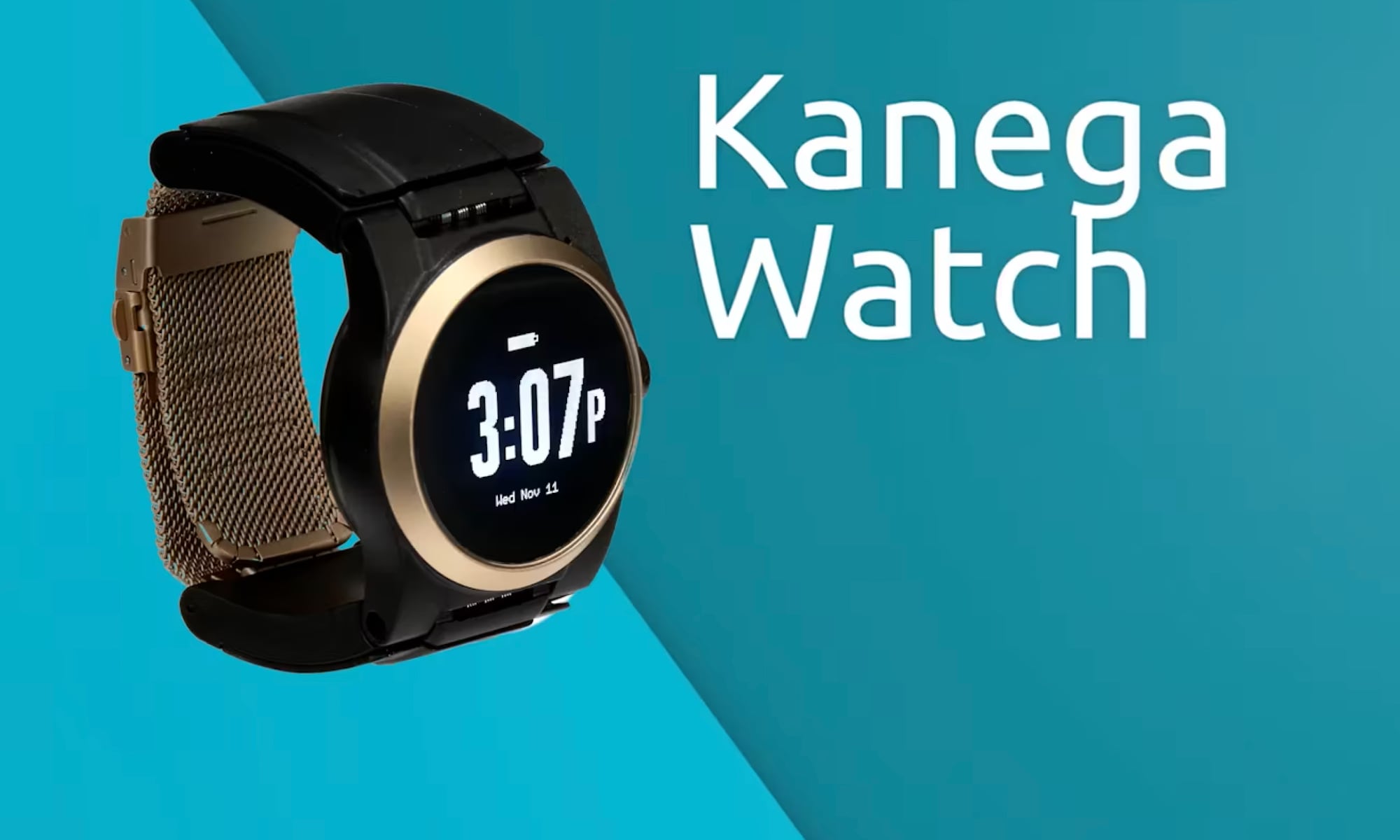
UnaliWear was founded in 2013 and makes and sells a smartwatch called the Kanega Watch, which is advertised as a “Medical Alert Watch with Fall Detection.” While the watches sell for a reasonable $299, a subscription is required to use them, which costs $779.40 if paying annually or $84.95 monthly. The subscription covers fall detection and emergency response services. This is basically a smartwatch-based version of the old “I’ve fallen and I can’t get up” pendants that were all over cable television commercials back in the 80s and 90s — albeit with automatic activation in case of a fall.
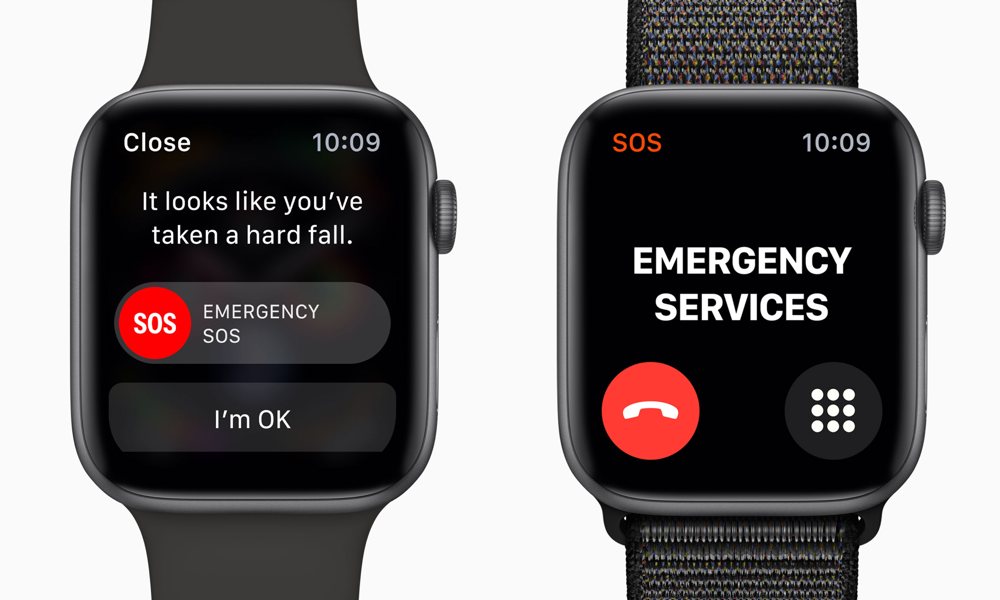
Apple began offering a fall detection feature for the Apple Watch with the debut of the Apple Watch Series 4 in 2018. While it is curious that UnaliWear has taken seven years to file a patent infringement claim, there may have been negotiations going on behind the scenes that caused the delay. Patent litigation can be costly and complex, so it usually only comes as a last resort after licensing discussions break down.
If the patent infringement process follows the usual steps, UnaliWear likely has a lengthy legal battle ahead of it unless they can come to an agreement on patent royalties.
Apple and other technology firms have faced numerous patent accusations and lawsuits from patent trolls over the years. For example, last May, Apple was ordered to pay over $700 million to Texas-based “cellular technology company” Optis due to its use of standards-essential 4G patents in iPhones and iPads over a 14-year period, stretching from 2013 to 2027.
Optis is a Texas-based company that does not manufacture any products but holds and licenses intellectual property, including patents. They do this solely for the purpose of filing lawsuits to get payoffs from companies that actually make and sell products that may or may not use the patented technology.
On the other hand, there are also cases that fit into a grey area where a patent holder is a legitimate product company but the relationships between the infringing products are less clear. Apple’s ongoing battle with Masimo over the blood oxygen sensors is the most recent example of this: the California-based health tech company legitimately produces its own W1 smartwatch, but it came out two years after Apple introduced its own blood oxygen monitoring feature, and the companies have argued that the patent infringements go both ways.