Spotify’s ‘Page Match’ Could Finally Bridge the Gap Between Paperbacks and Audiobooks
Toggle Dark Mode
Spotify is getting even pricier than Apple Music, but we have to give the streaming giant credit for at least offering some extra value for the money. Pure music fans may not care, but Spotify isn’t a bad choice for those who also like to mix a few audiobooks in with their daily jams.
While you’ll only get 15 hours of audiobook listening with Spotify Premium, that’s a nice value-add when you consider that Audible, Amazon’s popular audiobook-focused service, will run you $14.95 per month on its own. Of course, that has many more perks for serious audiobook enthusiasts — including the ability to keep some books even if you stop paying — but Spotify isn’t a bad middle ground for casual listeners.
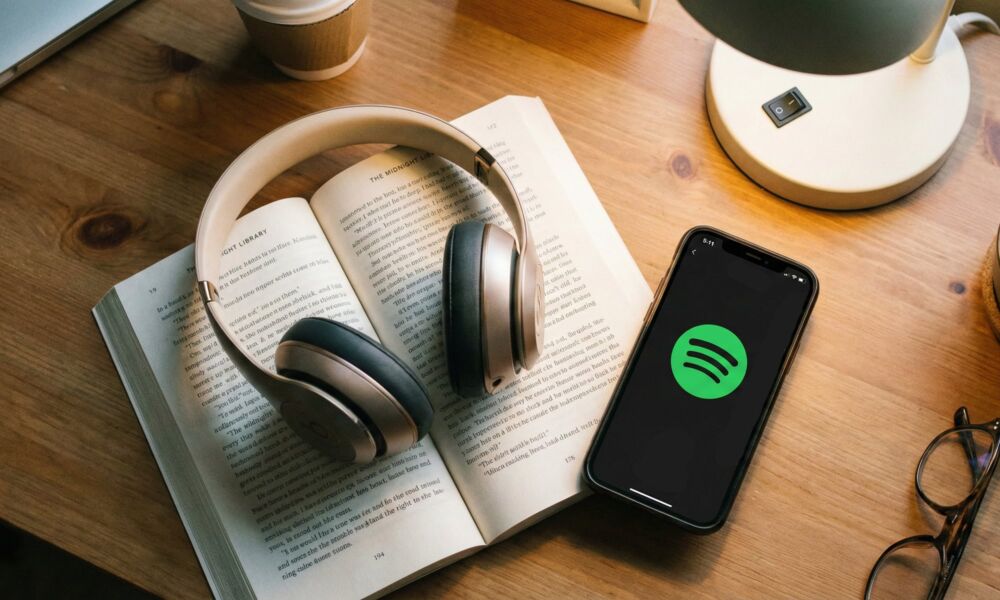
Now, Spotify is working on a feature that could make its service even more appealing for audiobooks: the ability to sync your listening position with a page number in a physical book, allowing you to seamlessly switch back and forth between reading and listening to your favorite titles.
While Amazon and Audible have long offered a similar feature in the form of Whispersync for Voice, that only applies to ebooks — and it’s naturally locked in exclusively to the Kindle platform, requiring you to buy both versions. Since Spotify only offers audiobooks, it’s exploring a much more open solution that can turn any library book or borrowed copy into a “smart book.”
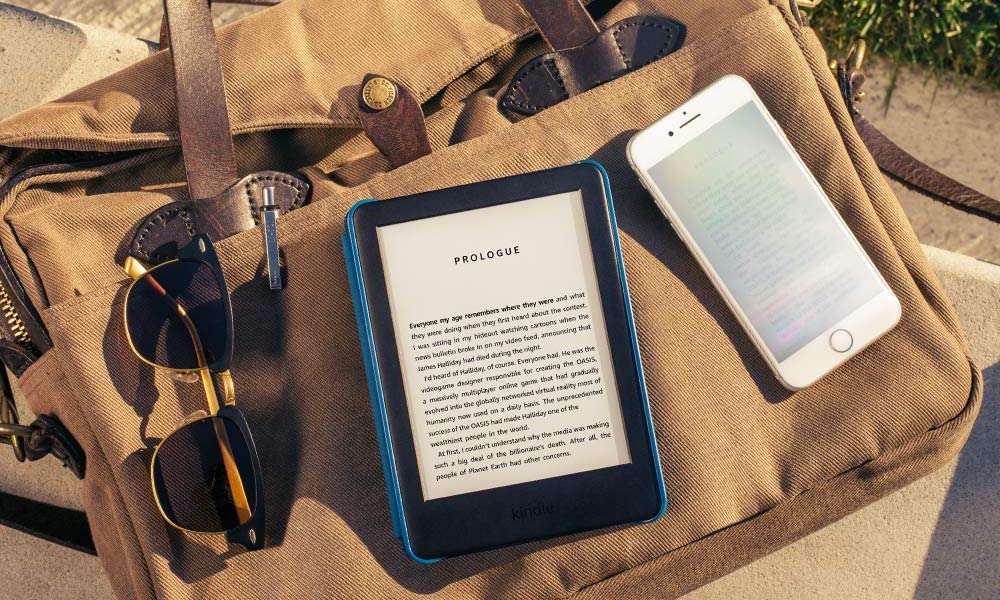
The folks at Android Authority found references to the new feature, dubbed “Page Match,” in version 9.1.18.282 of the Spotify app for Android. While it’s not yet exposed in the user interface, there’s enough there to provide a clear picture of what Spotify is up to — and it sounds pretty fascinating.
Onboarding strings describe it as a “beta” feature, which suggests it could launch in that form to at least some Spotify users in the near future, and it says it will let you “match your progress from the book page to the audiobook — and back again.”
It appears the Page Match will leverage optical character recognition (OCR) to handle the transition from physical book to audiobook. References in the code include phrases like “Scan a page to match your progress,” and “Use your camera to match your progress from the book page to the audiobook – and back again!” Since words are words, whether on paper or on a screen, this should work equally well with both physical books or ebooks, and you don’t need to do it on the spot; you can scan a physical book before you head out on your commute to save the position in your library for when you start listening later.

To be clear, you’ll still need to unlock or own the audiobook on Spotify. It won’t let you scan a book you own and turn it into an audiobook; it merely syncs the position with an audiobook that’s already in your library.
It’s not hard to envision how a combination of OCR and machine learning could easily match up words on a page to those found at a specific timestamp in an audio file. After all, that’s bush league for today’s AI tools, which can already produce full timecode transcripts of podcasts and YouTube videos. However, Spotify is also hedging its bets here, with the code suggesting users may sometimes be prompted to scan a second nearby page to match things up. However, this may also only be needed to provide the AI with a more unique context when a first scan lands on a generic chapter heading or an illustration.
What’s more interesting is that this will also work in the opposite direction, telling you the specific page number in a physical book that matches the audiobook you’re listening to.
Since we can’t imagine that Spotify is going to expect you to OCR an entire paperback, this will presumably rely on an internal database to map timestamps back to page numbers. However, since page numbers can vary between editions of the same book, unless the app allows you to specify exactly which edition you’re holding — down to the ISBN — the page numbers provided may only be an estimate. There’s a good chance it will work well with popular modern titles like New York Times bestsellers, but matching up pages to obscure titles and ebooks may be trickier.
While the code in the Spotify app certainly suggests Page Match is at an advanced stage, Spotify hasn’t said anything publicly about it, so there’s no word on when — or even if — we’ll ever see it. Nevertheless, we can see it being a very handy feature. Here’s hoping Apple Books — which offers both audiobooks and ebooks from the same store — will take a page from this idea.