Apple’s iPhone Goals Are About More Than Just 200 Megapixels
 TheRegisti / Unsplash
Toggle Dark Mode
Over the past couple of years we’ve reached a point where it’s no longer enough for analysts and leakers to speculate on the next iPhone. Now they’re running two to three generations ahead.
Of course, such long-term predictions don’t often carry nearly as much weight. Not only can they be highly speculative, but even in the rare cases where they’re based on entirely accurate information, there’s still plenty of time for Apple to change its mind.

That’s probably why even typically reliable sources can often disagree on what Apple is up to. Such is the case with the most recent set of rumors on what we can expect for the “iPhone 20,” which isn’t expected to arrive until 2028.
This week, a research note to investors from analyst at Morgan Stanley predicted that the 200 megapixel (MP) camera that Apple has reportedly been working on could arrive as soon as the fall 2028 lineup.
Although many pundits have long believed that Apple would move to a 200MP shooter to keep up with Samsung’s Galaxy Ultra models, the first semi-concrete news we heard about this was last May, when Weibo leaker Digital Chat Station claimed the company was testing a 200MP camera for a future iPhone. As we said at the time, that seemed like a pretty safe prediction as the Weibo post provided nothing in the way of a timeline.
It wouldn’t be that surprising to find out that Apple was testing a 200MP camera, as further sensor resolution increases are inevitable. Still, Apple has rarely been in a hurry to keep up with its competitors on raw specs. After all, Samsung introduced a 200MP sensor in early 2023 with the Galaxy S23 Ultra, and even the most optimistic reports suggest that we won’t be moving beyond the current set of 48MP sensors in any near-term iPhone Pro models.
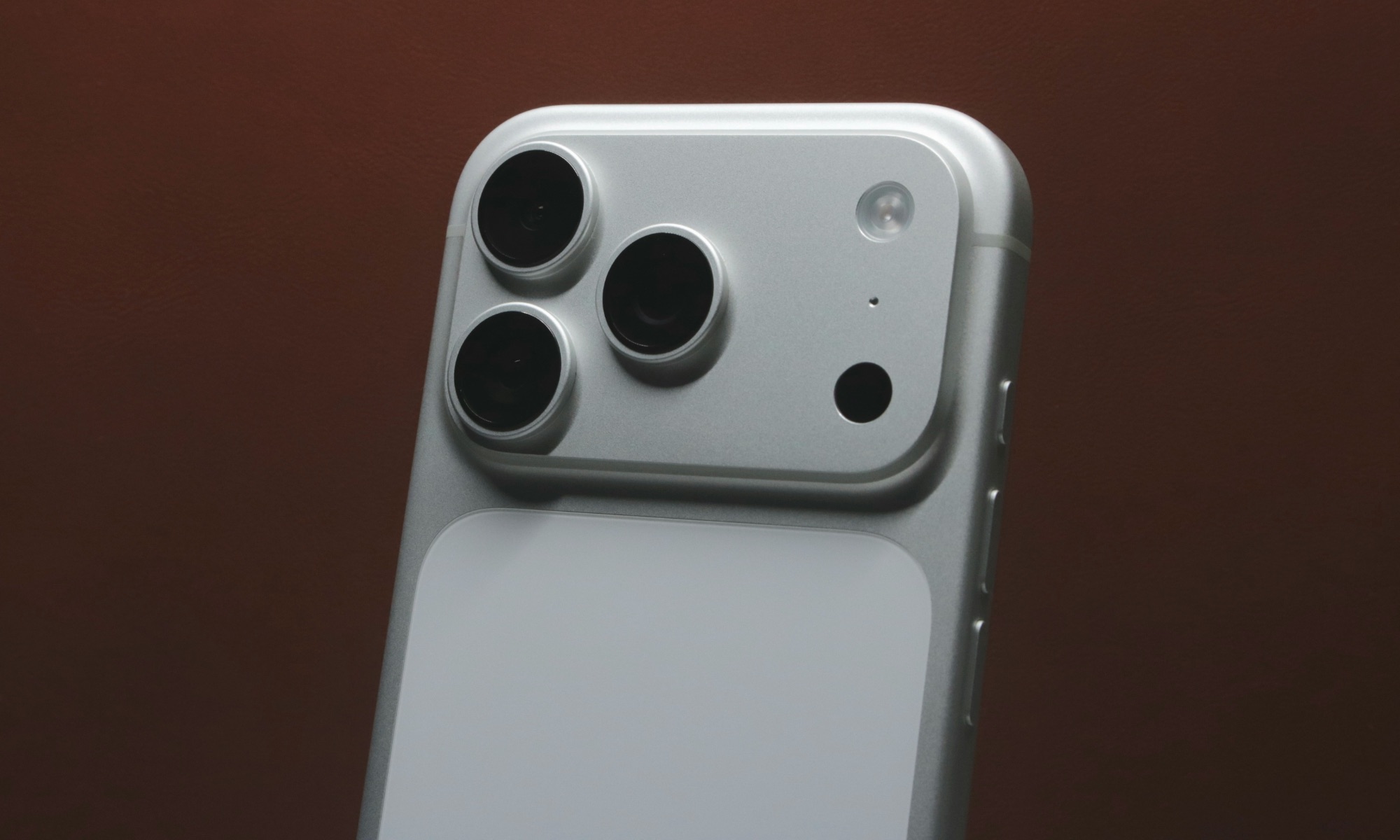
In an interesting twist, Digital Chat Station spoke up again this week after the release of the Morgan Stanley report to throw a bit of cold water on the 2028 timeline. In a post on Weibo, the Chinese leaker dashed any hopes for a 200MP camera on this year’s iPhone 18 model — not that we were holding our collective breath — by suggesting that Apple doesn’t have anything even close to a prototype for it yet. Instead, the leaker notes that Apple is focusing in other areas, reportedly adding a variable aperture to the iPhone 18 Pro that will allow the camera to physically adjust how much light hits the sensor, resulting in even better low-light performance and professional-quality portraits with natural, optical bokeh effect rather than the software-simulated blurs we’ve grown accustomed to.
Instead, the 200MP sensor is in the “material testing phase,” which means Apple is evaluating the technology to decide if it’s even feasible. Part of the reason for the delay is that Apple, as per its usual playbook, doesn’t want to merely copy its competitors — it wants to do something more that will leave them in the dust.
Image Quality: More than Just Megapixels
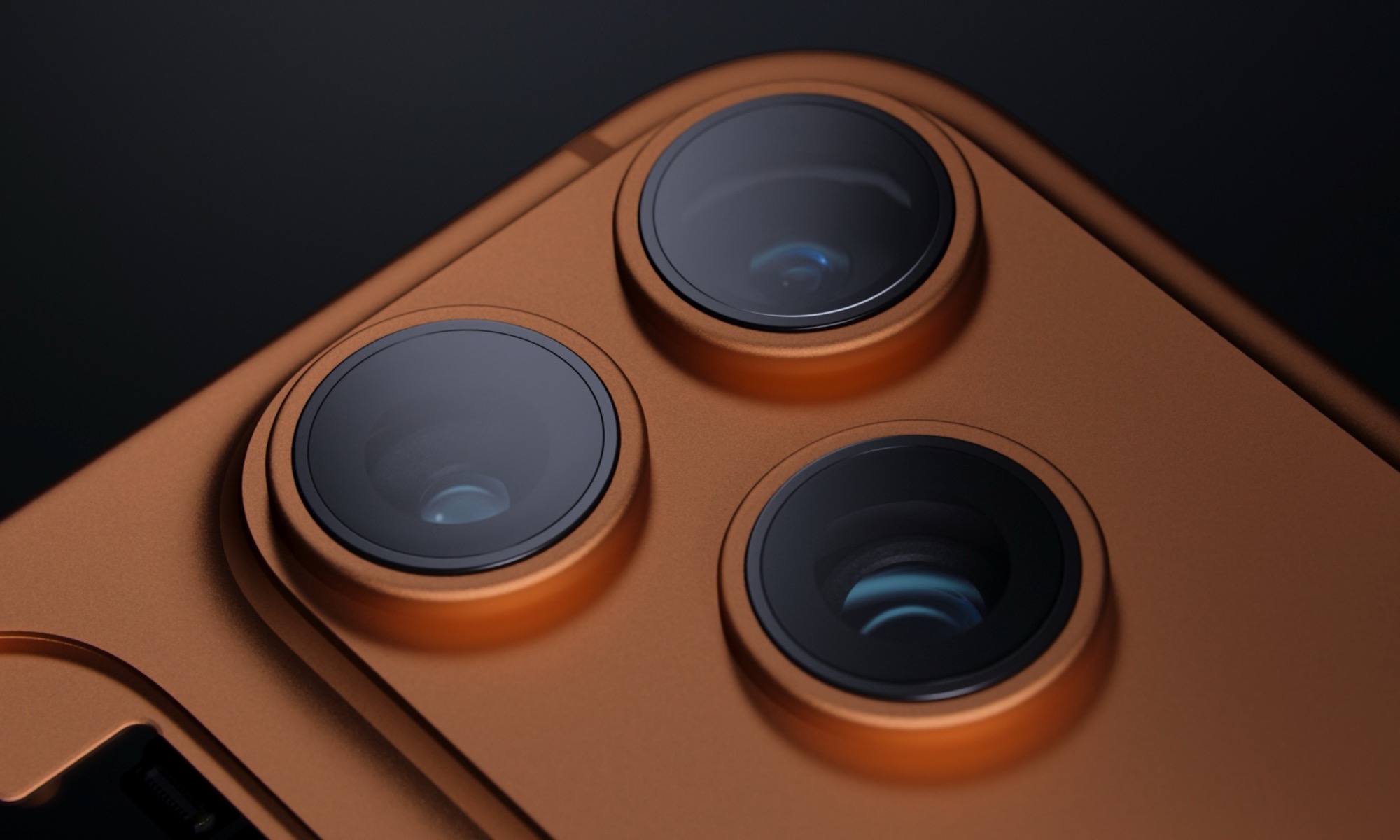
According to Digital Chat Station, that could be a new multispectral imaging (MSI) sensor that would capture image data across the entire set of color wavelengths. That would result in a considerable image quality improvement over traditional digital camera sensors, which rely on combining red, green, and blue light (RGB).
The result could be a future iPhone that can capture photos with color fidelity much closer to that of film cameras without resorting to image processing trickery. This would make a particularly huge difference for things like skin tones since MSI sensors are capable of picking up “subsurface” light that standard RGB cameras struggle with.
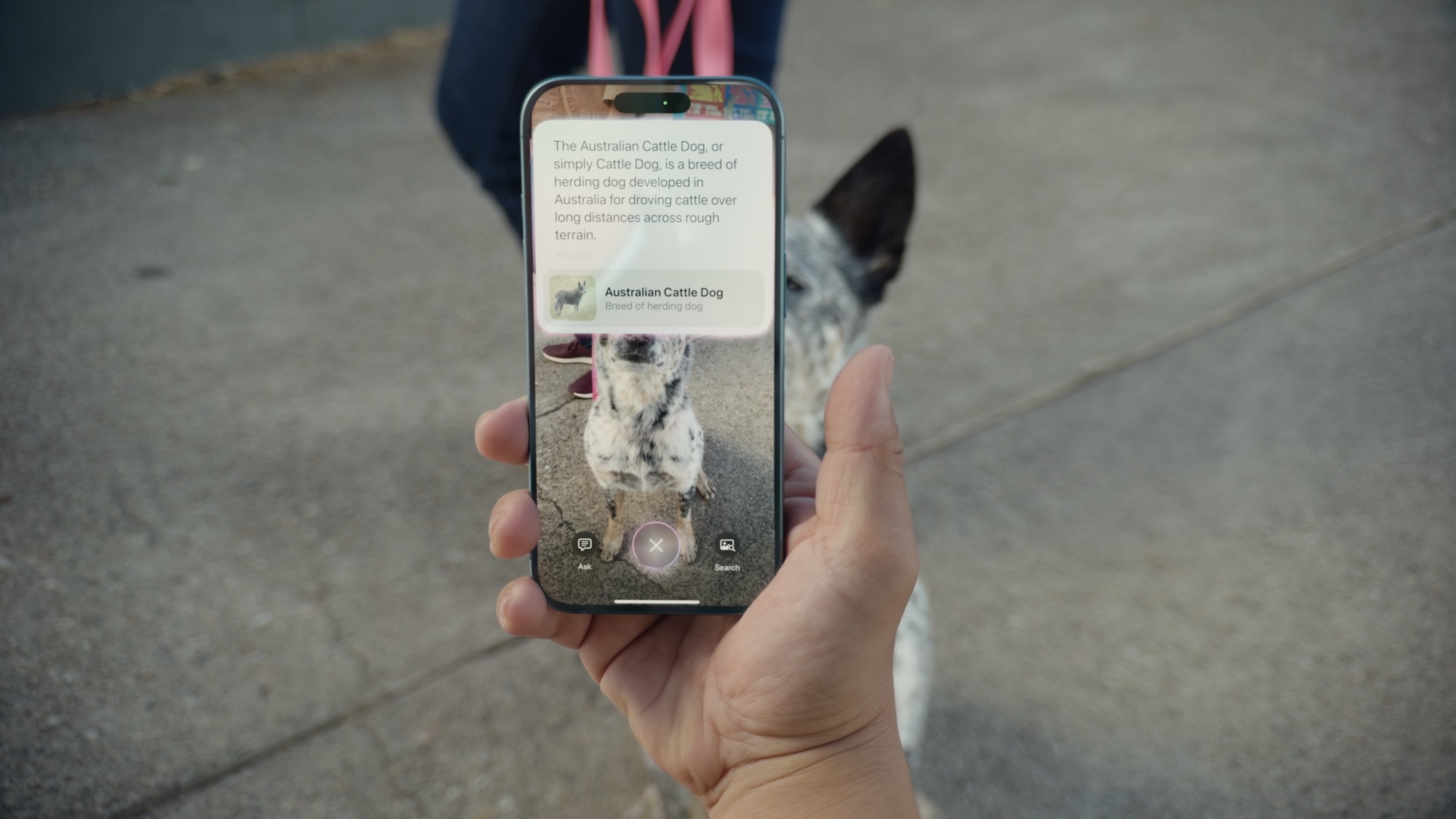
Such sensors could also significantly benefit Apple Intelligence by allowing the phone to “see” and identify materials in ways standard RGB sensors cannot, such as being able to distinguish between a real plant and a plastic one. These sensors would also be capable of capturing infrared or ultraviolet data, vastly expanding what Visual Intelligence can do. Imagine your iPhone being able to tell the difference between a real leather jacket and a synthetic one, or “scanning” meat to determine its level of doneness.
To be clear, 2028 is still a long time away in iPhone development terms, so Digital Chat Station’s information doesn’t rule out the possibility that these camera improvements might arrive on the schedule that Morgan Stanley researchers have predicted. However, there’s also a huge gulf between material testing and prototyping, and there’s no guarantee that Apple will have the technology ready by then.
It’s worth mentioning that AppleInsider, which first shared the note, suggested it might not arrive until the “iPhone 21,” but that might be based on an assumption that stems from whether 2027 brings the ‘iPhone 19’ or the ‘iPhone 20’ to mark the smartphone’s anniversary. If Apple skips a number, then 2028 becomes the year of the iPhone 21. This would mirror what it did with the iPhone X in 2017, but the jury is still out whether that will actually happen.
After all, the iPhone X was far more than a mere “Anniversary Edition.” It redefined the entire iPhone paradigm by moving the Face ID with a full edge-to-edge display. That justified the number bump and the “X” designation as much as the release timing did. It’s entirely possible Apple has something similar in mind for its 2027 model, but most of the rumors we’ve heard so far are on the same level as the so-called “Apple Watch X,” which was supposed to arrive in 2024 to commemorate the 10th anniversary of the wearable, but never materialized in any meaningful way.
With the variable aperture likely coming this year and an MSI sensor possibly not much farther off, Apple’s 20th Anniversary iPhone model could be a big hit in a whole new way: creating the first set of smartphone cameras that can finally rival DSLRs and the best film cameras of a bygone era.
[The information provided in this article has NOT been confirmed by Apple and may be speculation. Provided details may not be factual. Take all rumors, tech or otherwise, with a grain of salt.]