Don’t Expect an iPhone 18 Next Fall
 Apple
Apple
Toggle Dark Mode
There’s mounting evidence that Apple may be planning to change up its iPhone release cycle in a big way next year, ending a 15-year tradition of unveiling all of its mainstream iPhone models in September. If all these reports turn out to be true, you may find yourself waiting an extra few months before the next standard iPhone model arrives.
We first heard in May that the iPhone 18 might not come until 2027, when separate reports from The Information’s Wayne Ma and well-known Apple analyst Ming-Chi Kuo said that Apple was considering moving to a two-release schedule to split up the pro and standard models. Now, a new Weibo report from Fixed Focus Digital is seemingly confirming this with the claim that Apple isn’t even planning to kick off its test production lines for the iPhone 18 until after workers return from the Lunar New Year shutdown in late February. By contrast, the iPhone 18 Pro production lines have reportedly already been set up.

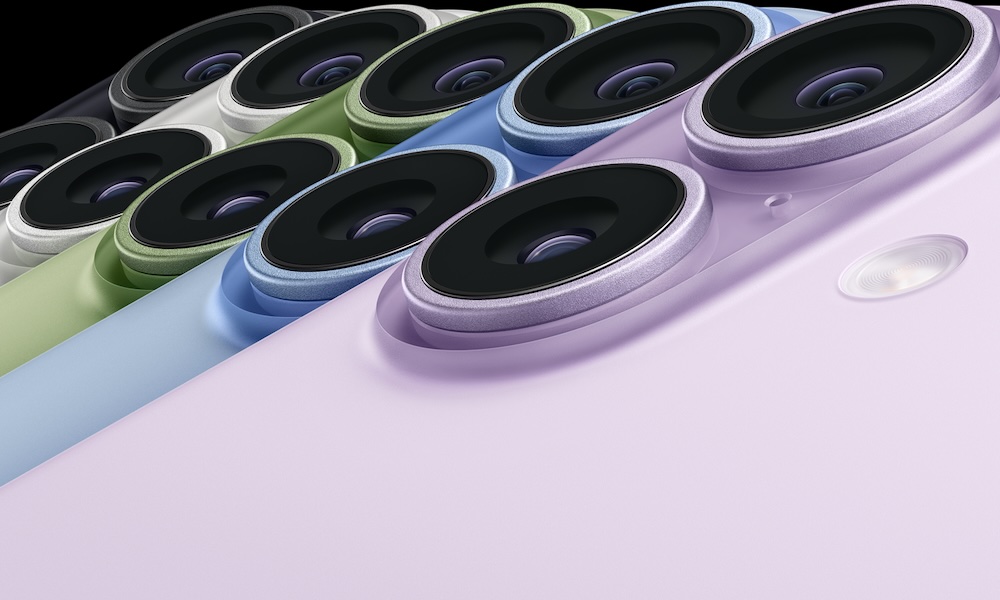
With Apple planning to debut its long-awaited “iPhone Fold,” several analysts have suggested that the iPhone lineup is simply getting too crowded to unveil everything at once. That certainly sounds reasonable, since without such a split, next year could see a up to five iPhone models released at the same event: the iPhone 18, iPhone 18 Pro, iPhone 18 Pro Max, second-generation iPhone Air and iPhone Fold.
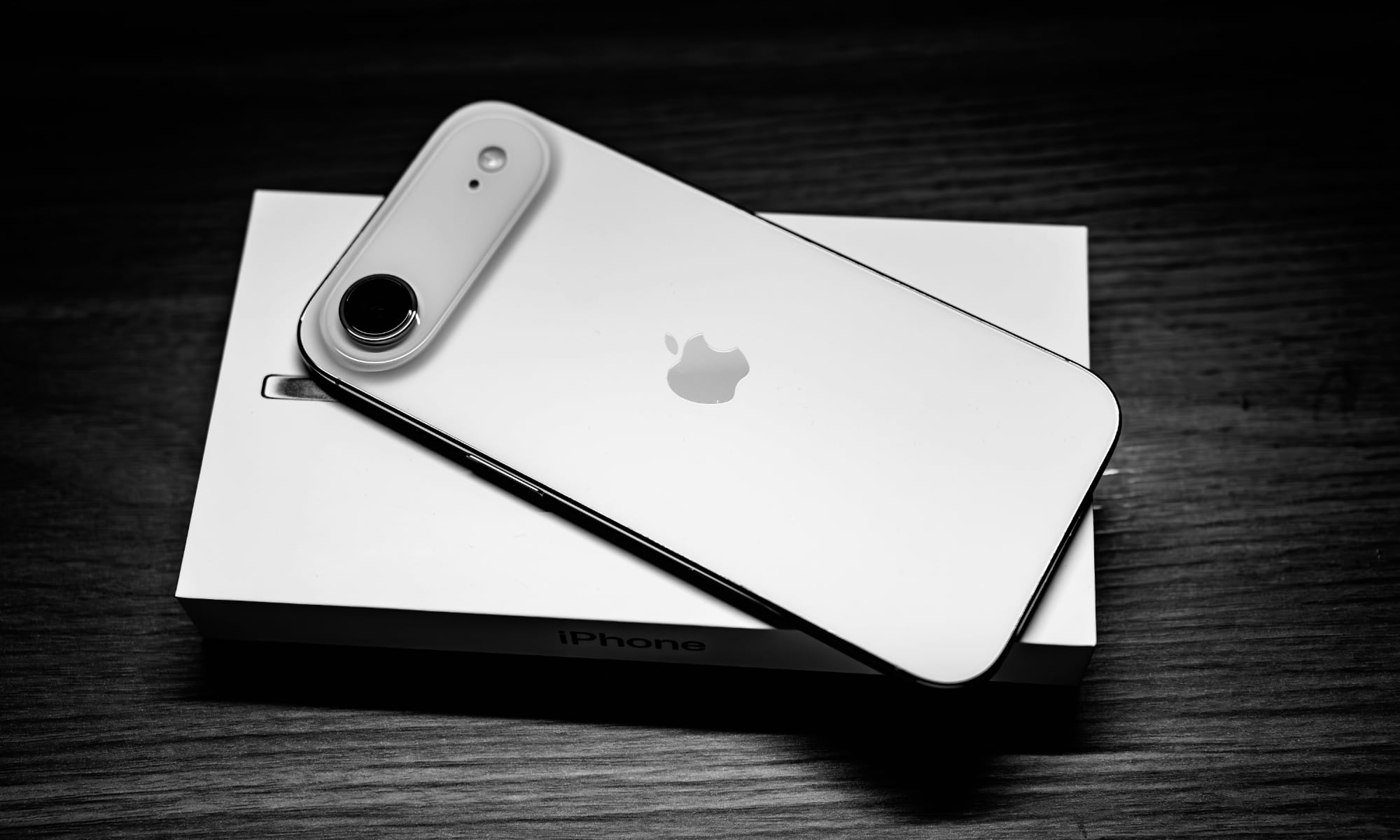
However, more recent reports have already suggested the “iPhone Air 2” was never slated for a fall 2026 release, implying that rumors of its delays in 2027 merely reflected Apple’s original plan. That cast some doubt on the May report that the iPhone 18 would be pushed off into the following year, since the removal of a new iPhone Air would bring the lineup back to the same number of new models Apple has unveiled every year since 2020.
Of course, Apple’s first foldable iPhone is expected to be a much bigger deal, with anticipation that’s been growing for years. By contrast, the iPhone Air was something that nobody was really asking for — much less waiting for — as evidenced by its lackluster sales performance.
In that context, dedicating its September 2026 event exclusively to its flagship iPhone models makes a lot of sense, especially in the light of the new “e-series.” The idea in May is that Apple would unveil the iPhone 18 alongside the iPhone 18e, effectively putting its two most affordable models in the same bucket. This would not only help it spread things out, but also make its lower-end model feel like less of an outlier.
Such a release schedule would not only allow Apple to spread out its revenue — something that analysts like Bloomberg’s Mark Gurman suggest the company has been looking for ways to do — but also balance out its production lines, ensuring there’s enough capacity to meet the demand for new models. With the current iPhone 17 reportedly on track for record-breaking sales, Apple can afford to let it stay on shelves a few months longer, especially as it navigates additional production challenges this year thanks to leading-edge 2-nanometer silicon and rumored under-display Face ID sensors for its Pro models. Analysts have also raised concerns that Apple may struggle to meet iPhone Fold demand even without having the popular iPhone 18 in the mix.
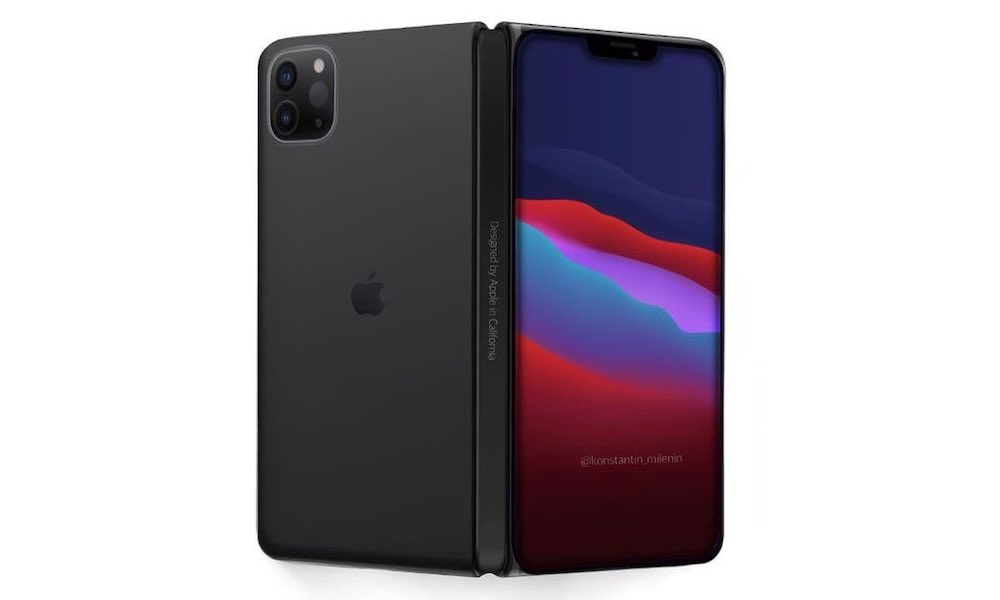
The move would also mirror what some of Apple’s rivals have been doing for years. Samsung has long held two major release events, with the main Galaxy S-series models arriving in January or February, followed by the Z-series flip and foldable models in the summer. While Apple appears to be dividing its lineups differently, with model numbers now somewhat awkwardly split across calendar years, it’s likely to continue putting its best foot forward in the fall to stay ahead of the curve.
This would also separate the standard iPhone from the true flagships in Apple’s lineup, letting the Pro and Fold share the big fall spotlight while presenting the base models as more commoditized consumer devices like the iPad Air and MacBook Air. While it might be harder to keep track of release dates at first, the division between Apple’s releases will also be much more distinct, with the iPhone 18 and its successors getting their own stage rather than feeling like second-class citizens during an event where most eyes are focused on the pro models.
[The information provided in this article has NOT been confirmed by Apple and may be speculation. Provided details may not be factual. Take all rumors, tech or otherwise, with a grain of salt.]