
4 Android Features Apple Still Needs to Steal for iOS 27
 Rokas/ Adobe Stock
Ever since the beginning of Android and iOS, debates have raged on as to which operating system is better. But the truth is that both are great at what they do best.
Android gives its users more freedom and flexibility, whereas iOS is a more optimized operating system that makes everything feel snappy. So there isn’t exactly a "right" answer, as more often than not it all comes down to one's personal preferences and needs.
With that said, both Android and iOS have copied each other for years, as they both bring new and cool features that all smartphones could use. Take widgets, for instance. Remember when Android introduced widgets, and iOS copied them just a few years later? (Where by "few" we mean "eleven.")
Well, Apple needs to do it again; there are still plenty of cool Android features that iPhone fans would love to have. Thanks to features like widgets, we know that Apple does copy features from Android, even if it sometimes takes the company a decade to get there.
Still, with iOS 27 coming soon to an iPhone near you, here are four Android features we'd love Apple to steal.
Please, Apple, Bring Proper Multitasking
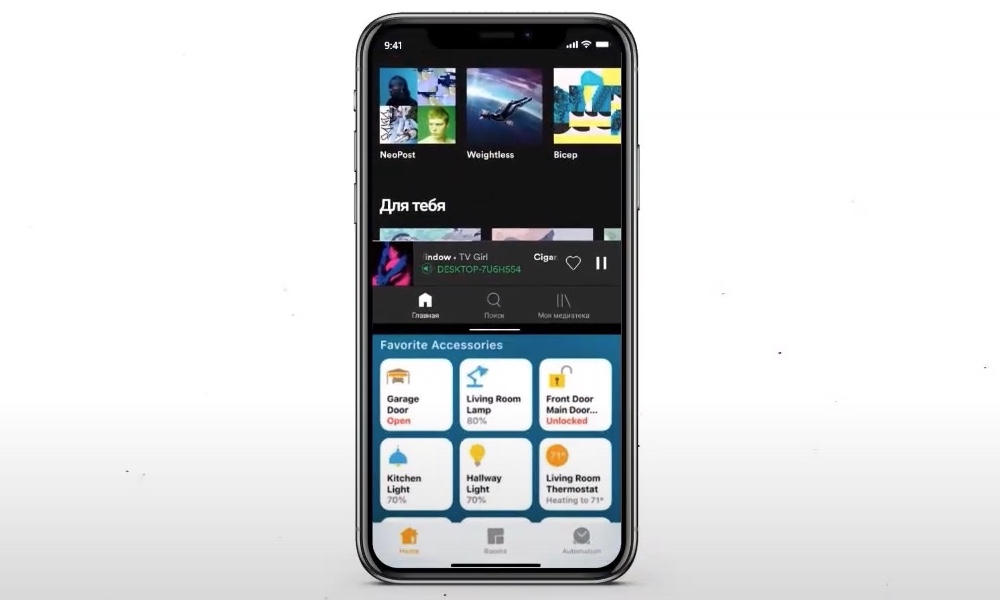
The iPhone has gotten bigger and stronger over the years. The iPhone Pro Max models now give you nearly seven inches of screen space, and offer more power than most of us know what to do with — yet you still can’t put two regular apps on the screen at the same time.
Sure, the iPhone technically supports some forms of multitasking, like Picture in Picture and quickly hopping between recent apps. However, that’s not enough in 2026.
Nowadays, many Android phones — even the most basic ones — let you place two supported apps on the screen at once. You might keep YouTube playing on one half while browsing Reddit on the other, or open the Calculator app while looking at your budget.
This feature is extremely helpful for everyone. Students, professionals, parents, you name it. Nearly anyone can find a use for a split-screen.
Now, when it comes to the future, the rumors are bittersweet. Apple is reportedly bringing split screen to iOS 27, but it seems it’ll be exclusive to the upcoming foldable iPhone. That's sort of understandable as a foldable pretty much demands it, but it still feels like a low blow.
If this is true, that means you’ll need to pay over $2,000 to get to use multitasking on your iPhone. Hopefully, Apple will add it to the regular iPhones, as it’s clearly not an issue of programming, hardware, or software.
Let's cross our fingers, though, as there's a slight chance Apple could surprise us next week. The company often holds back new iOS features until its September event to avoid revealing new hardware. The so-called "iPhone Ultra" foldable may be an open secret in the rumor mill, but Apple hasn't acknowledged its existence — and it won't until it takes the stage on September 9.
Reverse Wireless Charging
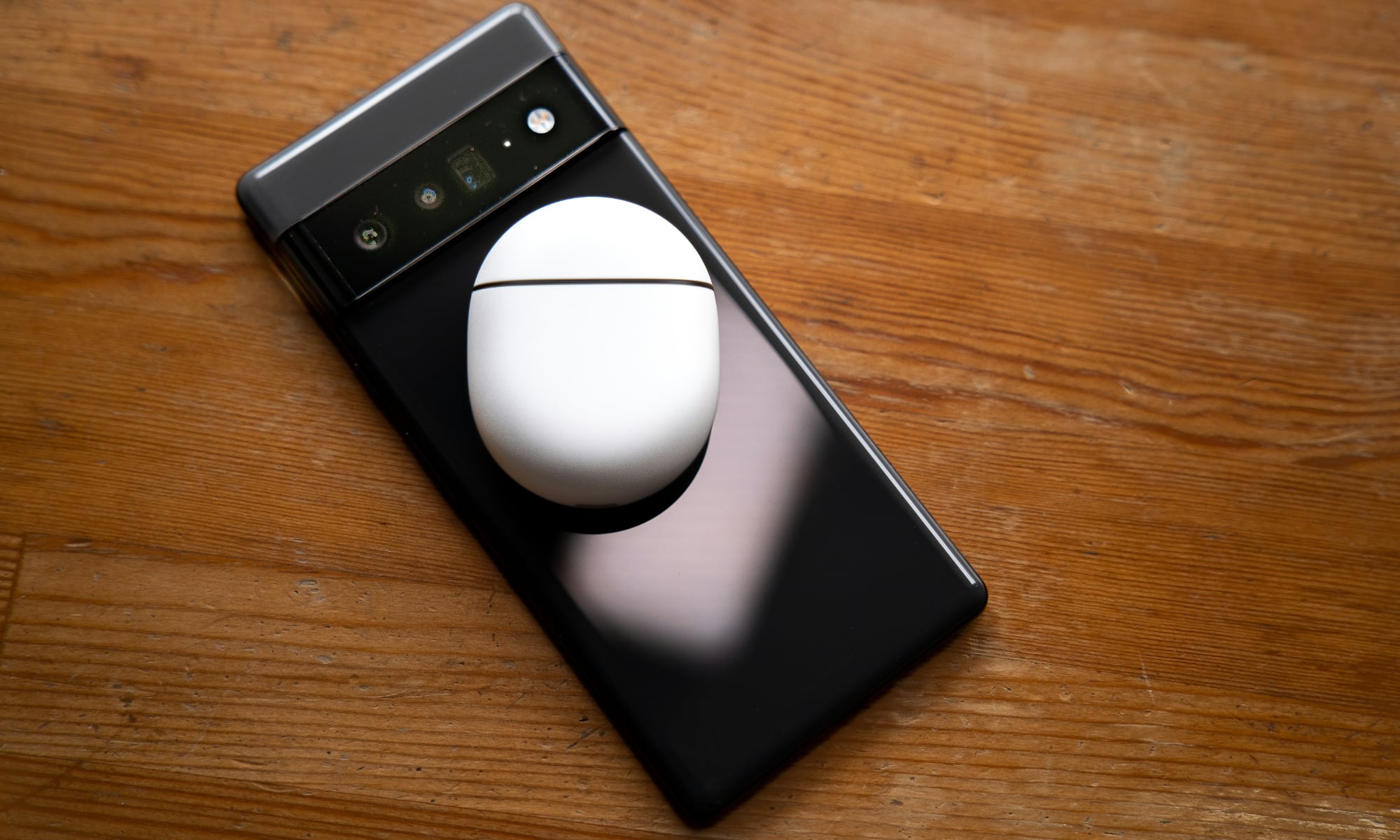
Reverse wireless charging is another Android feature that seems perfect for Apple’s ecosystem.
Supported Android phones can use their own battery to wirelessly charge another compatible device. Google calls this "Battery Share," while Samsung uses the term "Wireless PowerShare," but they both mean the same thing. On models that support this feature, using it is as simple as placing another phone or supported accessory on the back of your Android phone.
To be fair, modern iPhones can reverse charge a pair of AirPods, but not wirelessly. Instead, you’ll need to have a USB-C cable in order to do it, which makes it so inconvenient and so un-Apple. To make matters worse, Apple has offered reverse charging for its MagSafe Battery Pack since the iPhone 12, so the hardware is there — Apple just refuses to enable it for anything else.
Imagine how cool it would be if you could just charge your AirPods, or even your friend's iPhone, just by placing it on the back of your iPhone. It would add a whole new level of functionality to MagSafe, and it’d be perfect for when someone needs a quick charge.
It’s Time to Let Us Have Multiple Profiles on Our iPhones
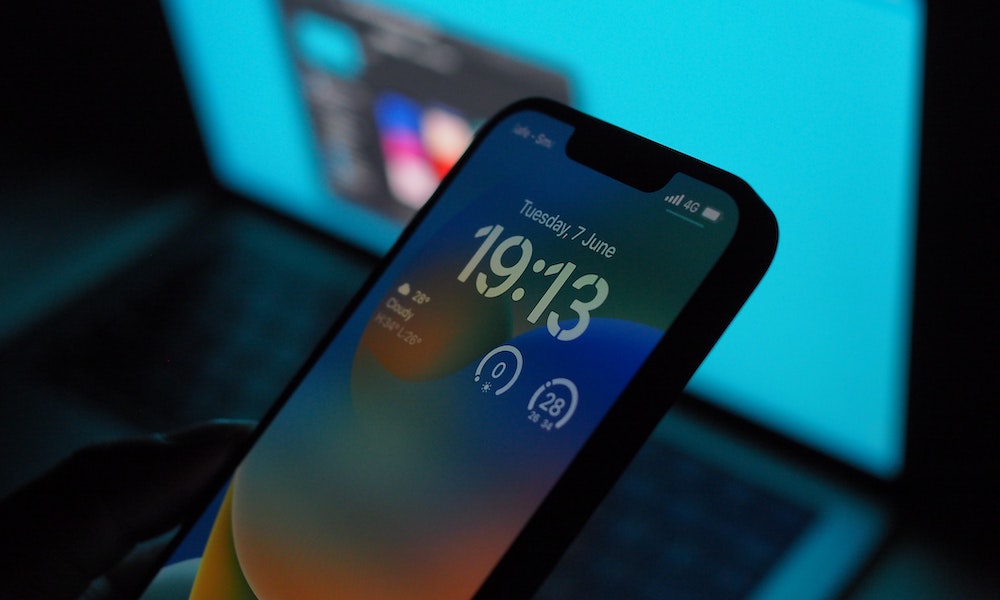
We understand why Apple hasn’t really worked on multiple profiles, as most of us don’t regularly share our iPhones. Still, a Guest Mode could solve a lot of problems.
Android lets you create separate users on supported smartphones. Each person can have their own home screen and accounts, and they can even add as many apps as they want to change the settings however they need.
Now think about what happens when someone asks to borrow your iPhone. You’re basically letting them use your iPhone setup. That's not a huge issue if it's someone you trust, but you're still leaving all your data and most private apps vulnerable, and that's an even bigger challenge for parents. Apple's Guided Access feature can help, but it's a bit of a pain to set up, and doesn't work for every situation.
A Guest Mode would make it easy to share your iPhone with others, or give it to your kids to play without worrying about them accidentally deleting your apps or other data.
Again, this might be a bit of a niche feature, so it might take a really long time for Apple to work on it. After all, it has yet to even add multiple user profiles to the iPad for anyone other than schools. But you never know how useful it is until you actually need it. Hopefully, we’ll see something similar in the near future.
Better Home Screen Customization That Doesn’t Randomly Ruin Your Layout
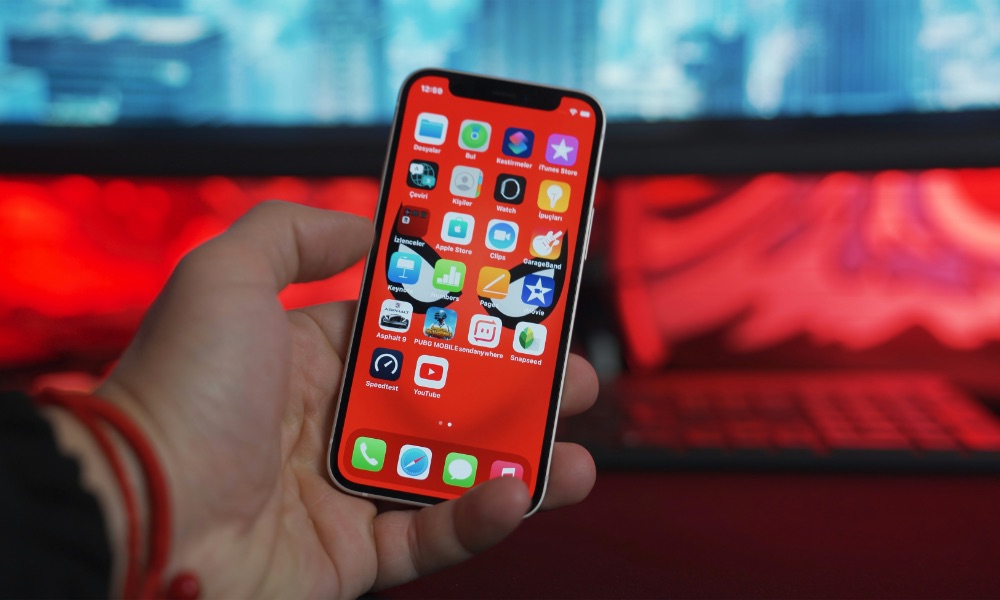
Apple has improved the Home Screen enormously in recent software updates. For instance, you can finally leave empty spaces between app icons and widgets, or you can delete everything on your Home Screen and have a clean, minimalist layout.
Unfortunately, actually arranging everything can still be incredibly frustrating. Customizing your Home Screen still has a lot of challenges, like when you try to add an app to a specific folder, but iOS keeps moving that folder around because it thinks you just want to change the layout.
Or how you can spend a long time getting your widgets and icons exactly where you want them. Then you move one app or delete a widget you don’t really need, and suddenly all your icons start jumping to different rows. And if you don’t know exactly where everything was, you’ll have to start from scratch.
Android doesn’t really have that problem, and it even offers many other customization features that really make your iPhone feel more personal. There are many things Apple could add to the Home Screen, and even the Lock Screen, so let’s hope the company is working on it as we speak, so we'll see it in iOS 28.
Apple Doesn’t Need To Copy Everything Android Does
There are plenty of reasons people prefer an iPhone. Apple’s tighter control over hardware and software can create a more polished experience, and connecting all your Apple devices without much of a hassle feels like magic.
However, just because iOS is good now doesn’t mean it can’t be better. By copying one or two of the most important Android features on the list, the whole experience for Apple fans will improve dramatically.
While Apple could still surprise us with one or two of these features in iOS 27, depending on what next week's new iPhone lineup looks like, the reality is that we’ll likely have to wait a few more years before we see all of them — if they ever show up at all.
Still, one can dream. iOS 27 should go public in just a few weeks, which means we’ll have our own fair share of new features and tools to try before we can go back to thinking about why a smartphone that’s over $1,000 can’t open two apps at once in 2026.