Ditch the Doomscrolling: 8 iPhone Apps to Keep Your Brain Sharp

Brain-training apps can be a fun way to keep your mind active. Instead of opening social media whenever you have a few free minutes, you can use your iPhone to solve puzzles, learn something new, or work through short mental challenges.
While these apps aren’t magical and won’t change your brain overnight, they’re still a fun mental exercise for you to either learn new skills or just keep yourself active. At the end of the day, your brain is just like your other organs: the more you use it, the better it will be. And if you can have fun while you’re at it, all the better.
So if you’re looking for more useful ways to spend short breaks on your iPhone, read on for 8 apps that will challenge your mind.
Elevate
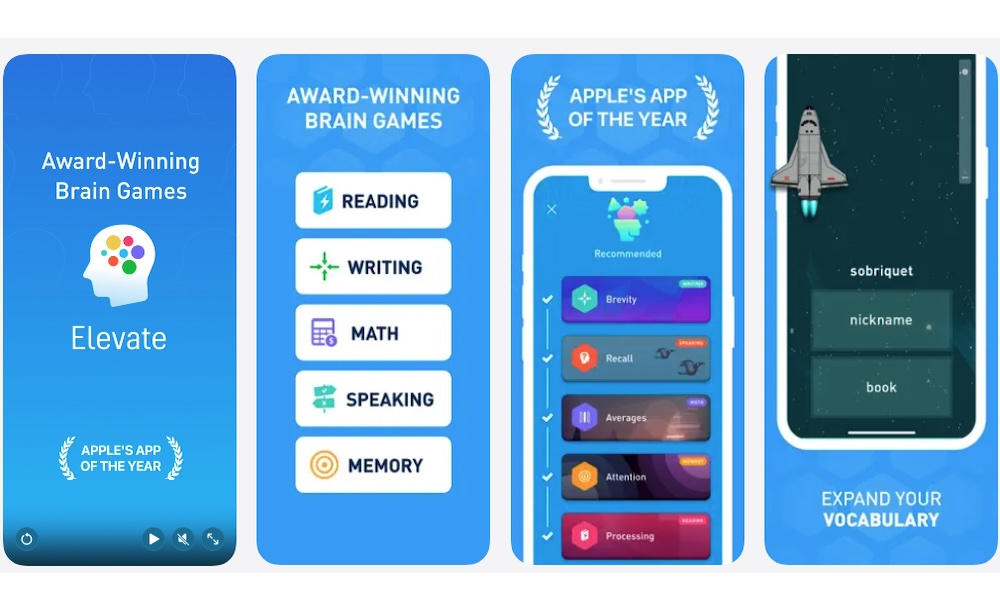
Elevate feels a little more practical and useful than many brain-training apps. While it still uses games, many of its exercises are connected to real-world skills like reading, writing, speaking, and quick math.
One session might push you to understand a short passage more quickly, while another might challenge your vocabulary or ask you to process numbers under pressure. The result will leave you more fulfilled and feeling even a bit smarter after every exercise.
The app builds personalized daily sessions and adjusts as you continue using it. That gives you a reason to come back instead of just opening random games whenever you remember.
If you want a brain-training app that feels useful outside the app itself, Elevate is one of the strongest picks. It’s a good choice for people who like mental challenges but still want the exercises to feel connected to everyday thinking.
CogniFit
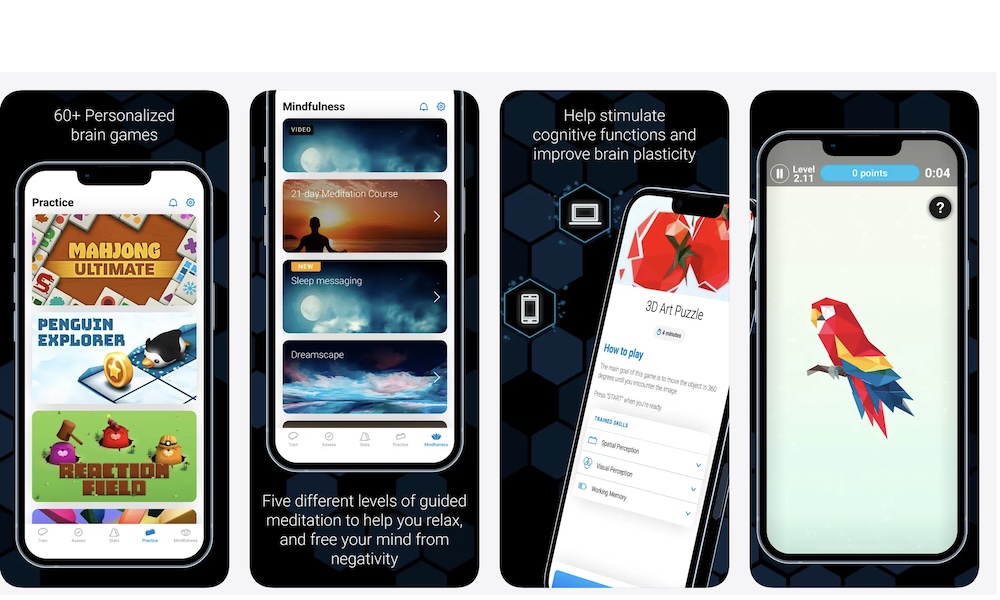
CogniFit combines brain-training games with cognitive assessments and score tracking. It’s a good choice if seeing numbers gets you motivated and you want more feedback than a basic puzzle app gives you.
The app focuses on short exercises that test different mental skills. It also gives you daily and weekly stats, which can be useful if you enjoy tracking your own progress and how much you improve. Just remember that these scores aren’t everything; what counts is that you actually feel like you’re improving at something.
Still, using this data is a useful way to check your own performance. Instead of just solving puzzles every day, you can clearly see how you’re improving, little by little.
Besides having access to multiple puzzles, you’ll also find guided meditation sessions to help you relax. There are different levels of meditation, and they’ll help you keep your mind clear and relaxed, which could also help with your performance in the long run.
Impulse
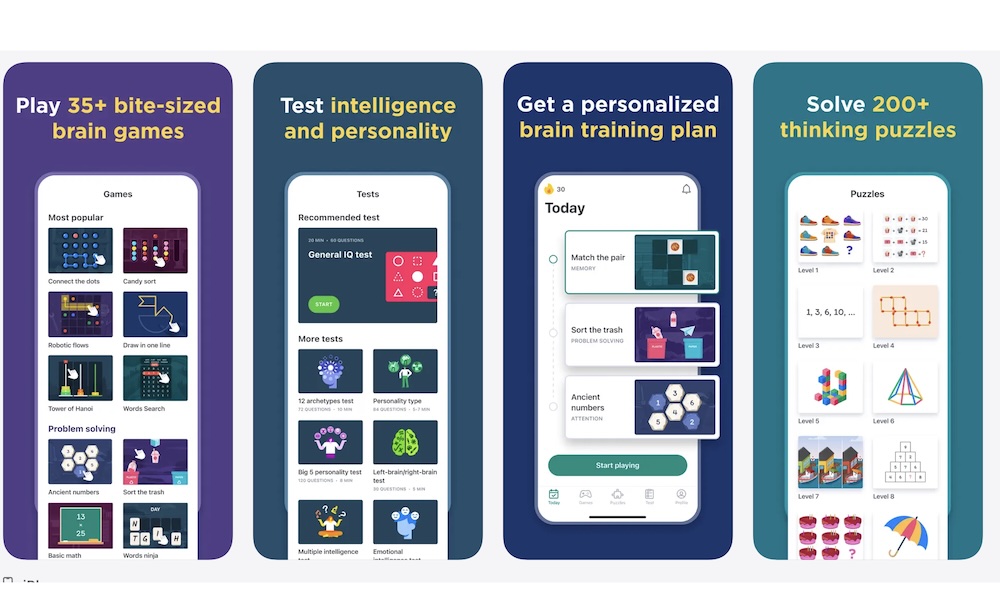
Impulse is a modern brain-training app built around short games, puzzles, and mental tests. It has a clean, mobile-friendly design, which makes it easy to open when you only have a few minutes.
This is definitely one of the more casual apps on the list. It doesn’t feel as “serious” or practical as other options, but that’s not necessarily a bad thing. The simplicity of it makes it a good alternative for people who want something that’s quick and easy.
The app and its design are pretty straightforward. You can open it during a break, complete a few challenges, and move on. Still, that doesn’t mean it lacks the features you need. There are over 35 games you can try, and over 200 puzzles to solve. Plus, you can get a more personalized plan, so you focus on the puzzles you want.
Brilliant
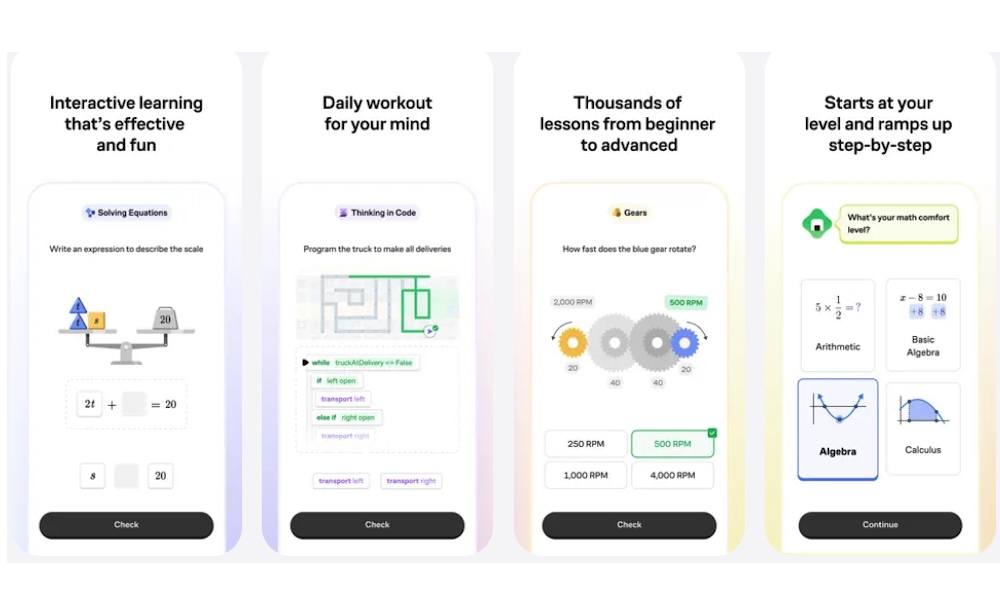
Brilliant trains your brain in a different way. Instead of giving you short memory games, it teaches real subjects through interactive lessons.
The app is especially strong for people who like logic and problem-solving. Many lessons focus on math and scientific thinking, but Brilliant also covers topics like programming and artificial intelligence. The important part is how it teaches. You don’t just read an explanation and move on; you work through problems step by step.
That way, you’re still challenging your mind, but you’re also building knowledge that can be useful outside the app. Learning how to code or getting better at math is always good, and it can even help you in your professional life.
Brilliant is a great choice for curious adults, students, and anyone who wants mental exercise with more substance. If you’d rather learn something than play abstract games, this is one of the best apps on the list.
Duolingo
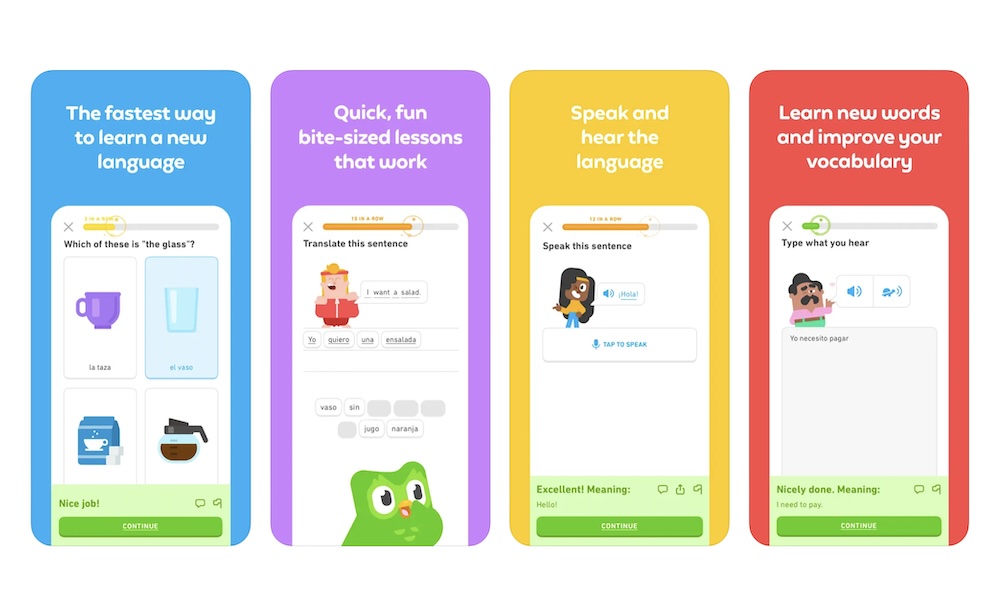
Duolingo is best known as a language-learning app, but it now also features classes for math and even chess, making it a great app for making your brain work hard. Learning a new language forces you to remember words, recognize patterns, listen carefully, and recall information quickly.
The app’s strength is how easy it is to use. Lessons are short, and the streak system makes it easy to build a daily routine. You don’t need to sit down for an hour, as even a few minutes a day will make a huge difference. Of course, the more you study, the better it’ll be.
Plus, learning a new language is always in demand, whether it’s for work or a trip you’ll take in the future. The bite-sized lessons on Duolingo will help you at least start a small conversation with people in another language.
As we mentioned, Duolingo is more than just an app to learn a new language; the platform also has classes to teach you how to play chess and even play an instrument. There’s something for every brain out there.
Khan Academy
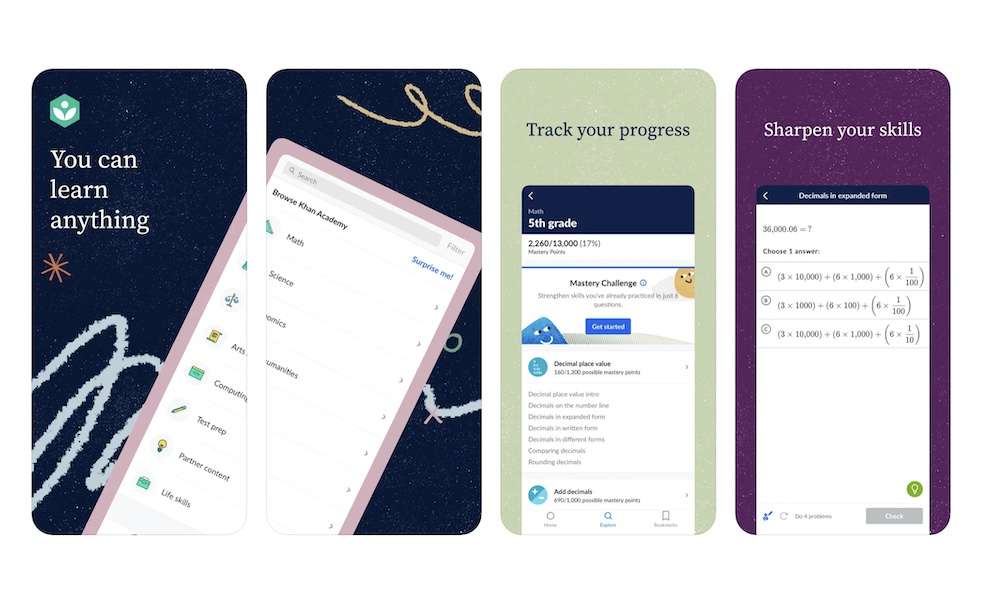
Khan Academyisn’t a traditional brain-training app, but it may be one of the most useful apps on this list. It helps you train your brain through actual learning instead of quick mental games.
The app gives you access to lessons created for a wide range of subjects. You can brush up on math, learn science concepts, revisit history, or study topics you never fully understood in school. The lessons are clear and beginner-friendly, which makes the app easy to recommend.
And the best part about Khan Academy is that it’s free to use. Yes, you read that right; you don’t have to pay for a subscription just to start learning. That makes it a great option for students or anyone who’s on a budget, or doesn’t want to invest too much money before knowing for certain if a subject is worth it for them.
Lichess
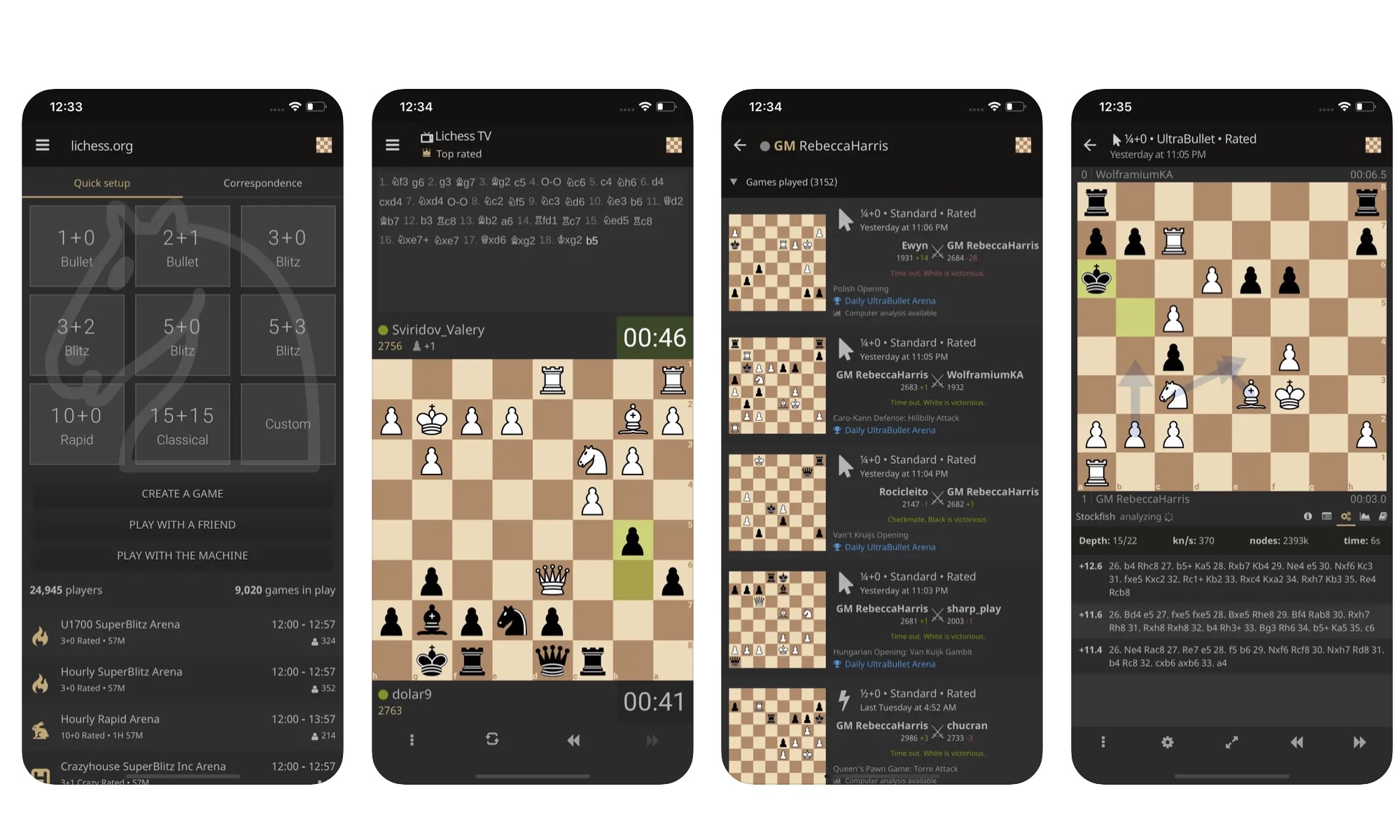
Did you know that the game of chess can help you with your memory, pattern recognition, and even critical thinking? Not too bad for a game that’s over a thousand years old.
And to start training in a fun way, there’s no better app than Lichess. Well, there might be better apps, but this one is completely free, which makes it fantastic.
The app gives you many ways to improve. You can play real games, solve tactics, study lessons, or practice against bots. The puzzles are especially useful if you want quick mental training without playing a full match.
Chess is also great if you like to see your improvement in real time. Sure, you’ll miss tactics at first, lose games, and make bad moves. Then, slowly, you start seeing patterns faster and understanding positions better.
Lichess is a strong choice if you want a skill-based challenge. Unlike some brain-training games, chess gives you a deep system to keep learning for years.
Sudoku.com
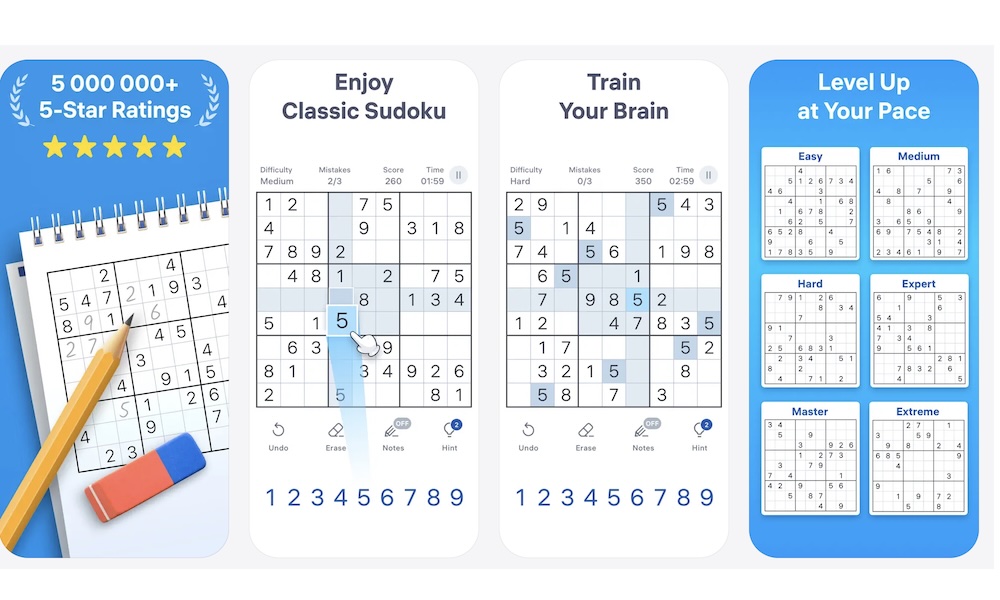
Another great game that can help you improve your brain’s pattern recognition, memory, and logical thinking is Sudoku. There are many apps to play this game, but a classic one isSudoku.com. This app is a simple but effective way to practice logic and concentration.
Each puzzle asks you to really focus and look for the right patterns. You need to think through what can go where, eliminate wrong options, and avoid rushing into mistakes. That makes it great for focused mental exercise.
Sudoku.com makes the experience more approachable with difficulty levels, hints, and daily challenges. Beginners can start with easier puzzles, while experienced players can move into harder ones.
This is a great app if you want something quiet, relaxing, and focused. It doesn’t need flashy graphics or complicated systems; it just gives you a puzzle and lets your brain do the work.
Brain Training Works Best When You Keep It Realistic
As you can see, there are a ton of different apps you can try; some of these apps can help you with short, cognitive games, while others are better suited for learning a new skill or topic you’re interested in.
You don’t need all of these apps at once. In fact, juggling too many at once will likely overwhelm you, defeating the purpose entirely. Start with one or two apps that you’re interested in. Once you get the hang of them (or get bored using them), use some of the other ones on the list.
Most importantly, don’t expect these apps to do more than they can. They can help you practice specific skills, stay mentally engaged, and spend your iPhone time more intentionally. They won’t magically rewire your mind overnight, but if they help you think, learn, or solve problems for a few minutes each day, they’re still a much better option than those constant sessions on TikTok or Instagram.