
Myth: A VPN Makes You Completely Safe and Private
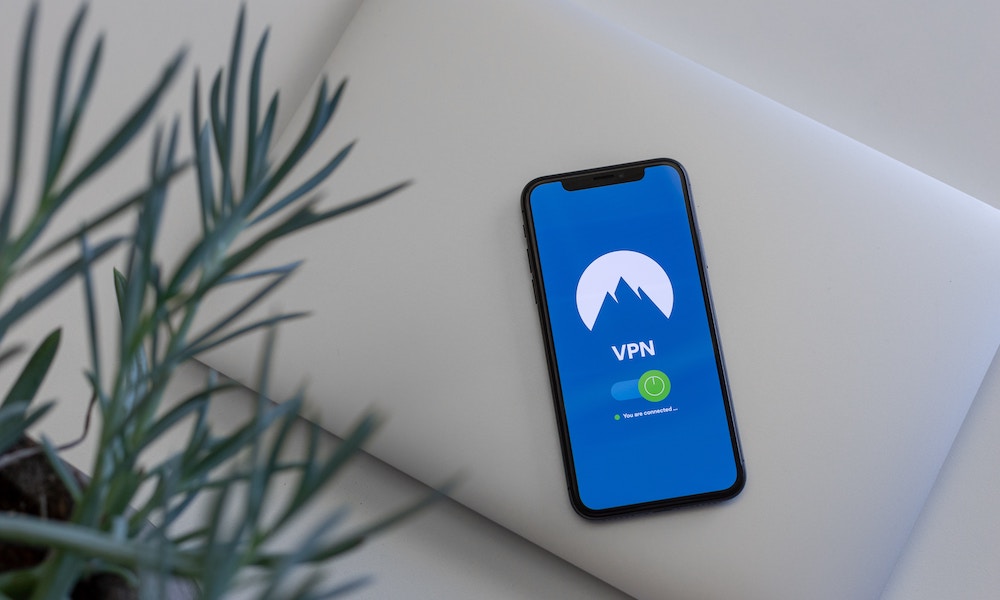
VPNs are useful, but they’re not a security force field. A VPN encrypts your connection between you and the VPN provider, which can help on public Wi-Fi networks, during travel, or even protecting your browsing habits from your ISP. But it doesn’t automatically stop phishing, malware, tracking inside apps, or shady data collection by services you willingly sign into. A VPN is not a firewall, no matter how much some VPN providers might try to suggest otherwise.
A VPN shifts trust: You’re protecting your data from prying eyes on a hotspot, school, or ISP network, but you’re still trusting the VPN provider. That’s why “free VPN” services should raise an eyebrow. If you’re not paying for the product, you have to wonder how they’re making money. Instead, use reputable VPN services when they matter, like on public Wi-Fi or in hotels.
VPNs are fantastic, but you shouldn’t completely trust your online security to them. You still need to secure your privacy and your accounts by using things like two-factor authentication, passwords that are hard to crack, and avoiding shady websites and links. It’s also important to remember that all of your really important surfing traffic, like banking and online shopping, is encrypted using TLS/SSL anyway — the “HTTPS” and lock icon you see in your browser. A VPN doesn’t add much extra security in these cases; it will help hide the sites you’re visiting, but even without a VPN nobody can actually see what you’re doing once you get there.