
Myth: More Megapixels Always Mean a Better Camera
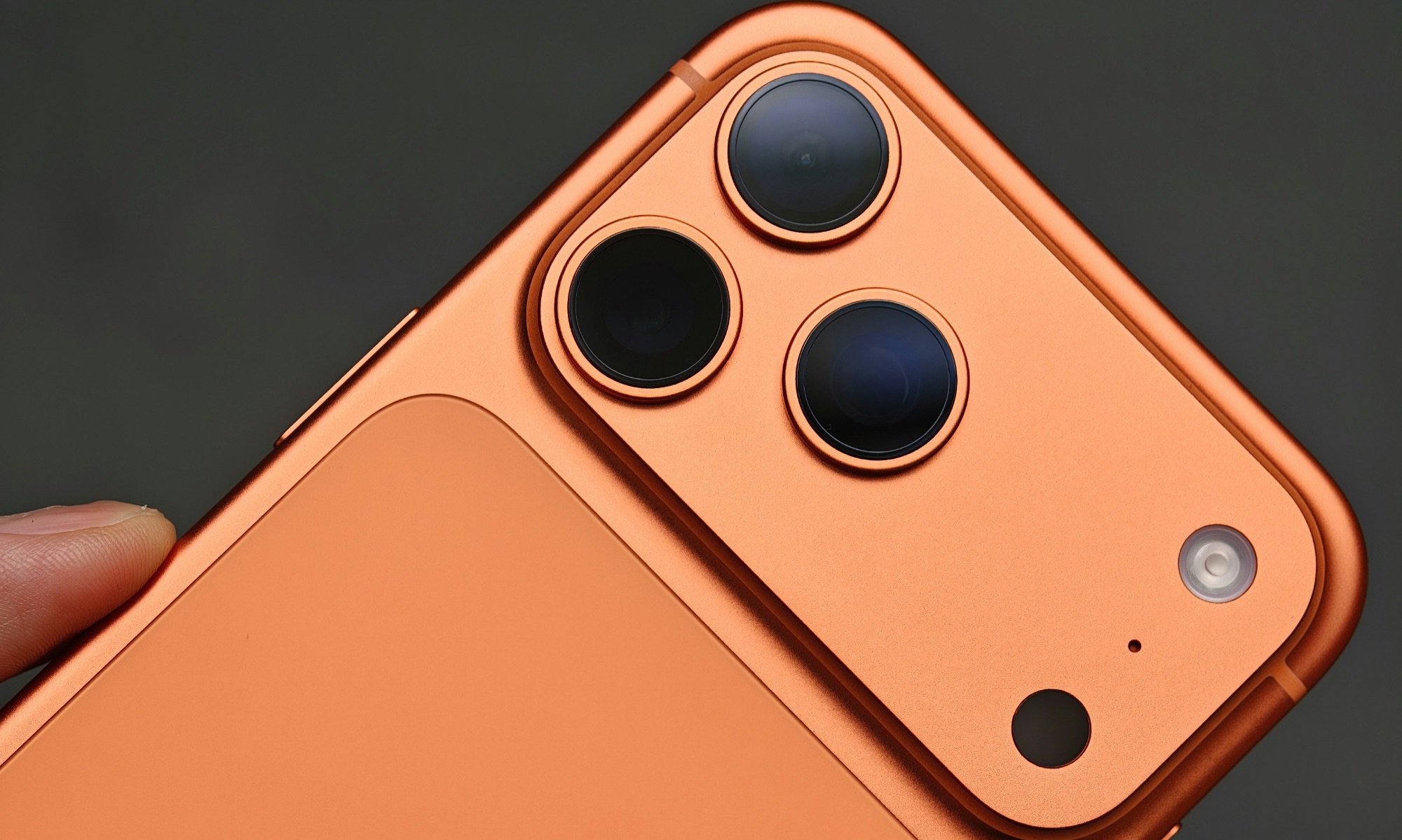
Megapixels are easy for companies to market, which is why people fixate on them. But image quality is about the whole camera system: sensor size, lens quality, stabilization, and computational photography. A camera with more megapixels can still produce worse photos if the sensor is small, the lens is mediocre, or processing isn’t great in low light.
What you actually notice day-to-day isn’t the megapixel number; it’s how well the camera handles motion, how clean night photos look, how natural skin tones appear, and how stable video feels when you’re walking.
Sure, megapixels can play a role when taking pictures, especially if you want to become a pro photographer or worry about the greatest details possible in your shots, but most of us should not buy a more expensive iPhone Pro (or a phone from another company) simply because it comes with more megapixels.
Instead, before choosing a phone, take a look at real camera comparisons on YouTube. The goal is to see how well the camera handles low light, moving subjects, and its overall zoom quality.
Also, when looking for a good phone camera, prioritize features you’ll use, like optical zoom, stabilization, and consistent video quality.