
The 7 Best iPhone Apps for Your Trading Card Obsession
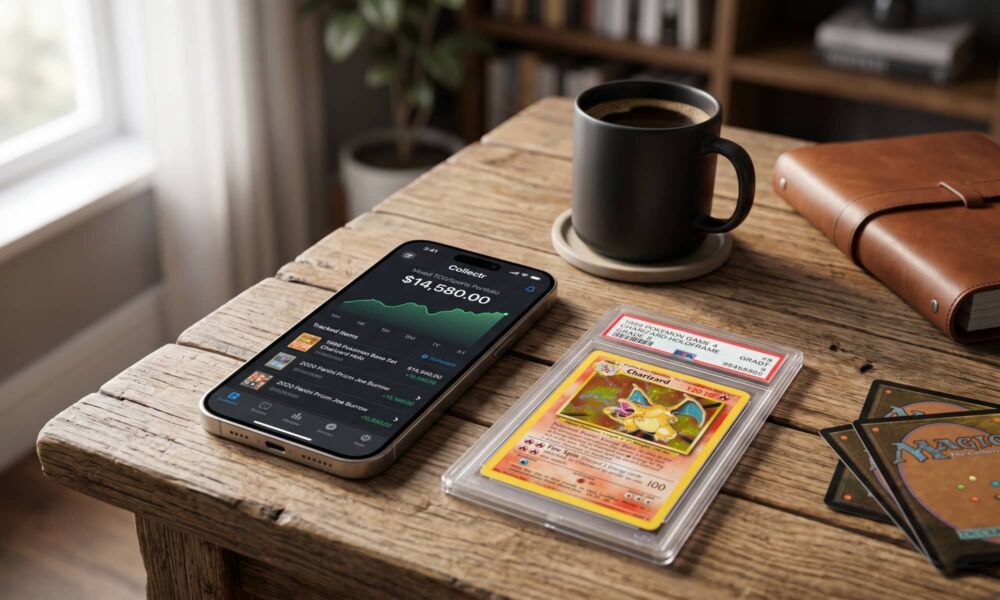
The trading card game market has been booming for the last few years, and if you’re part of it, you already know how cool and exciting that is. However, if you’re new to this world, you might be having some issues knowing even how and where to start. Luckily, you don’t have to do it alone.
Card collecting is a lot easier when your iPhone can do more than take pictures of your pulls. The right apps can help you identify cards, check prices, track your collection, research sales history, and figure out whether something is worth grading. That’s a big deal now, especially when so many collectors are buying across multiple hobbies instead of sticking to one lane.
The tricky part is that not all card apps solve the same problems. Some are better for tracking your collection like a portfolio, while others are marketplaces, grading companions, or vault-style platforms where you can buy, sell, and store cards without handling every card yourself.
That’s why if you’re serious about collecting, you need to have different types of apps on your iPhone. You might not need all of these apps to get started, but read on for seven of the best to help you on your journey.
Collectr
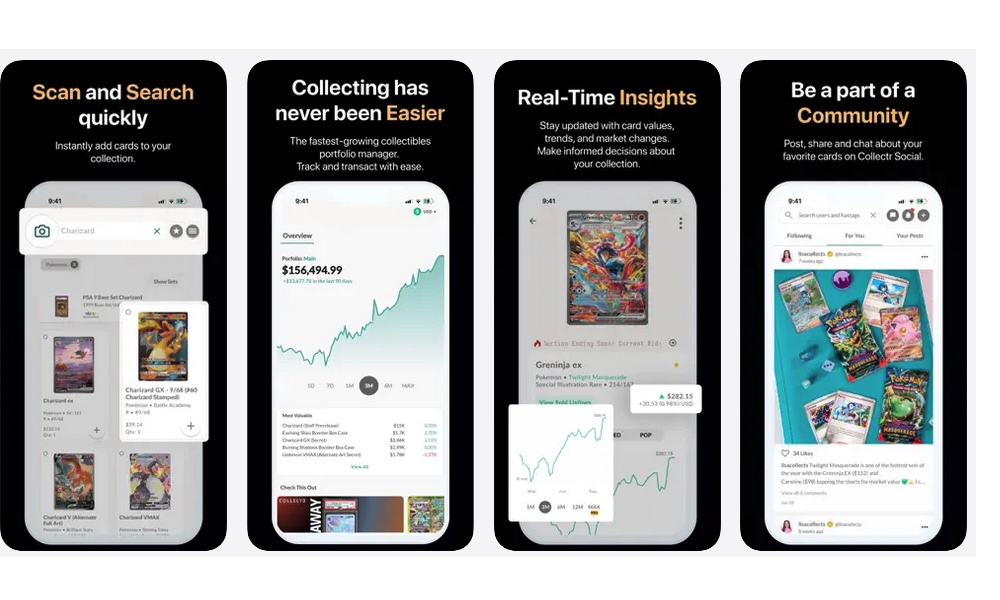
Collectr is one of the best apps for collectors who want to treat their cards like a real portfolio. It lets you track raw, graded, and sealed products, which makes it especially useful if your collection includes more than just singles in a binder. You can add cards, monitor values, and get a clearer view of how your collection is changing over time.
This is a great fit for any kind of TCG collectors because it supports the kind of mixed collection you probably already have or are interested in. You might own Pokémon singles, Magic cards, Yu-Gi-Oh! staples, sealed boxes, graded cards, and newer TCG products all in the same collection. Collectr helps bring that together in one place instead of forcing you to track everything with spreadsheets or separate notes.
The portfolio view is the main reason to try it. It gives you a better sense of what you own and what it may be worth, which is hard to do manually once your collection grows. It’s also handy if you like seeing your collection as a long-term hobby asset rather than just piles of cards stored in different boxes.
TCGplayer
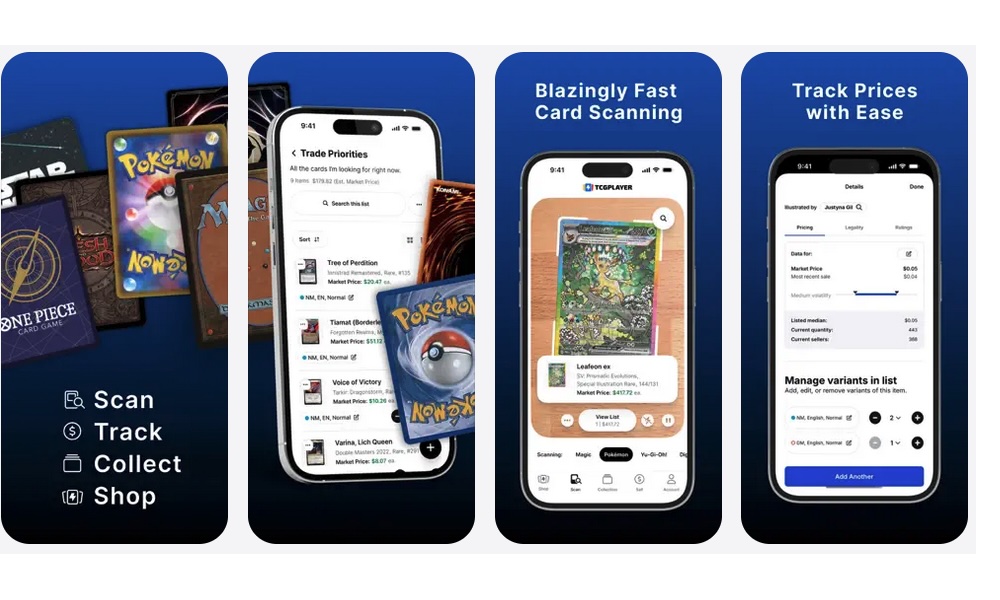
TCGplayer is a must-visit website if you collect trading card games, but it’s even better on your iPhone. Its app is built around scanning, organizing, and tracking market prices for games available through its marketplace, making it especially helpful for Pokémon, Magic: The Gathering, Yu-Gi-Oh!, Lorcana, One Piece, and other TCGs.
The biggest advantage here is the accuracy you get inside the TCG world. TCGs can be messy because one card may have several printings, versions, rarities, foils, promos, and set variants. TCGplayer helps you identify the right version and check market pricing without manually searching every card by name.
It’s also useful if you sell cards. Scanning cards into lists, checking market prices, and preparing inventory can save a lot of time when you’re sorting bulk or pricing singles. Be warned, though, if your collection is mostly sports cards, this won’t be your main app. But for TCG collectors, it should probably be one of the first ones you install.
PSA
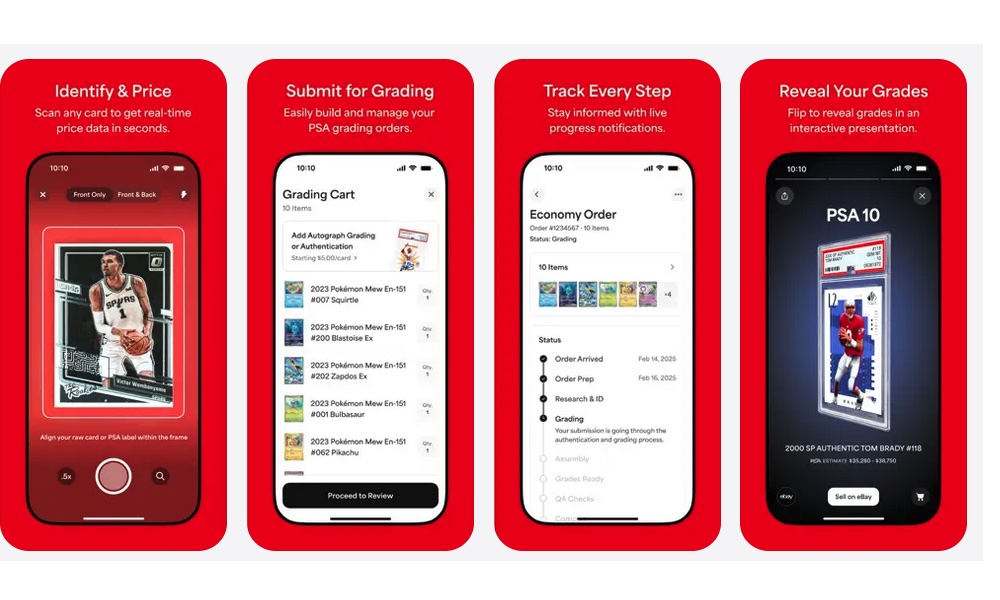
Whether you like it or not, PSA is the most popular grading platform in the market right now, so it would be smart to have it with you at all times.
The PSA app is essential for collectors who care about grading, slabs, or long-term card value. You can use it to scan and research cards, verify PSA certification numbers, look up sales and active listings, manage grading submissions, and so much more. Even if you don’t submit cards often, the app is still useful for research.
The ability to verify a card's authenticity makes the app worth it. If you’re buying a PSA-graded card online or in person, checking the certification number helps you confirm that the slab information matches what you’re seeing. Of course, that doesn’t replace common sense when buying, but it gives you an important extra layer before spending serious money.
The research tools also help when you’re deciding whether a card is worth grading. Population data, recent sales, and current listings can give you a better idea of whether grading fees make sense. For raw-card collectors trying to move into graded cards, PSA’s app is one of the most useful tools to keep on your iPhone.
Card Ladder
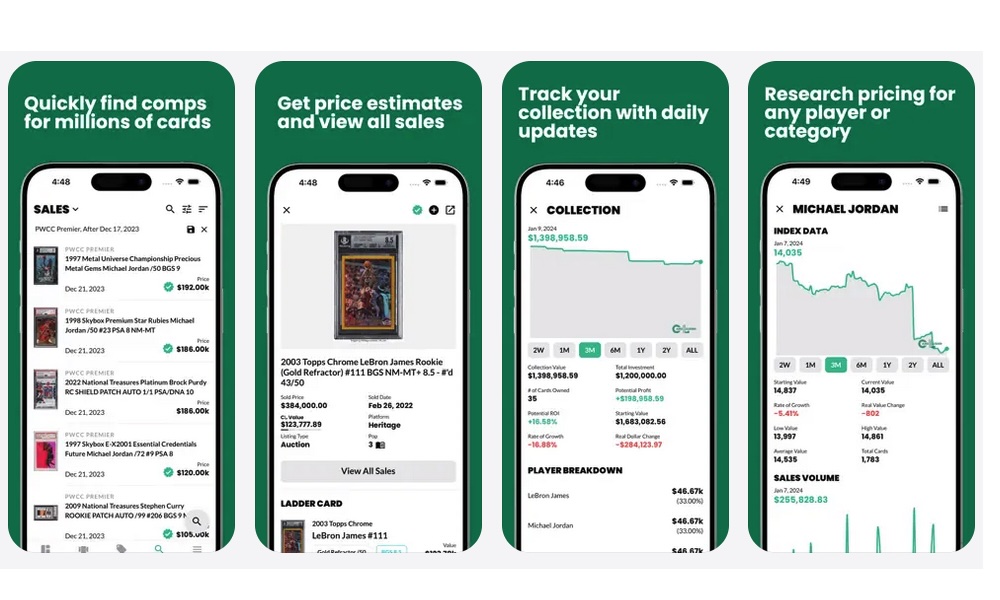
Card Ladder is one of the better apps for sports-card collectors who care about deeper market data. It’s designed for people who want more than just scanning a card and checking its value. You can research sales history, track collection value, compare cards, set alerts, and follow market trends over time.
This makes it especially useful for those serious collectors who treat their sports cards as the investment they are. Checking the current value is helpful, but serious collectors often want to know whether a card’s price is rising, falling, or staying flat. Card Ladder gives you a better way to study that movement.
It’s also helpful when you’re comparing possible purchases. If you’re deciding between two players, two grades, or two versions of the same card, historical sales and side-by-side comparisons can help you avoid buying purely on hype. For casual collectors, it may be more than you need. For serious sports-card buyers, it’s one of the strongest research apps around.
Beckett Mobile
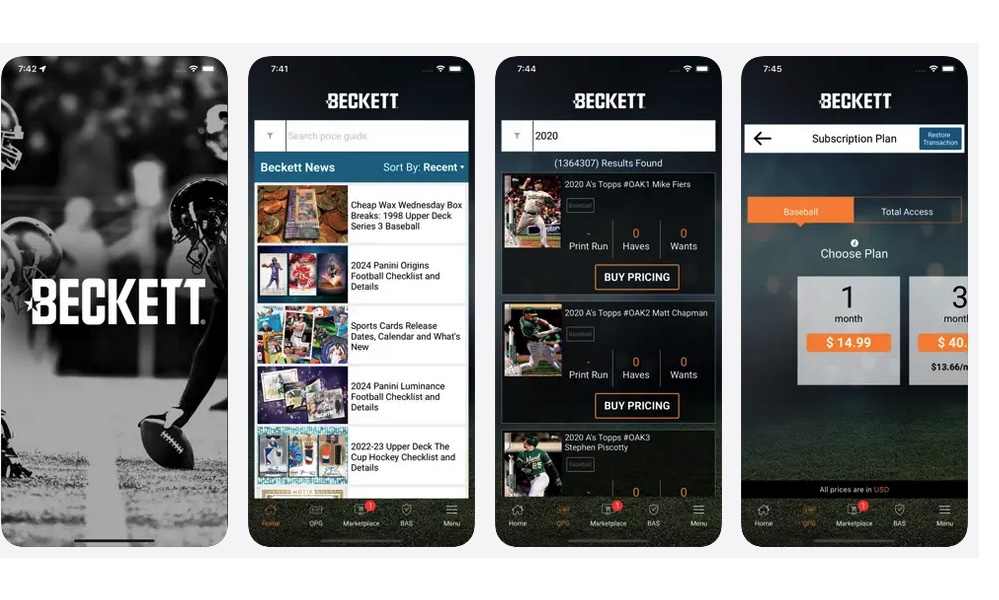
Beckett Mobile brings Beckett’s Online Price Guide to your iPhone and iPad. The app itself is free to download, but the price-guide access is subscription-based, so this is one you’ll appreciate most if you already like Beckett’s approach or want a more traditional price-guide experience.
Beckett still has a familiar name in the hobby, especially for sports-card collectors who grew up with printed guides. While many collectors now rely heavily on many other factors like marketplace data, Beckett’s cataloging and guiding can still be useful when you want a more organized reference point.
This app is not the best free option if you just want quick values without paying. But it belongs on the list because some collectors still prefer Beckett’s system, especially when hunting for vintage cards where historical data is king.
PriceCharting
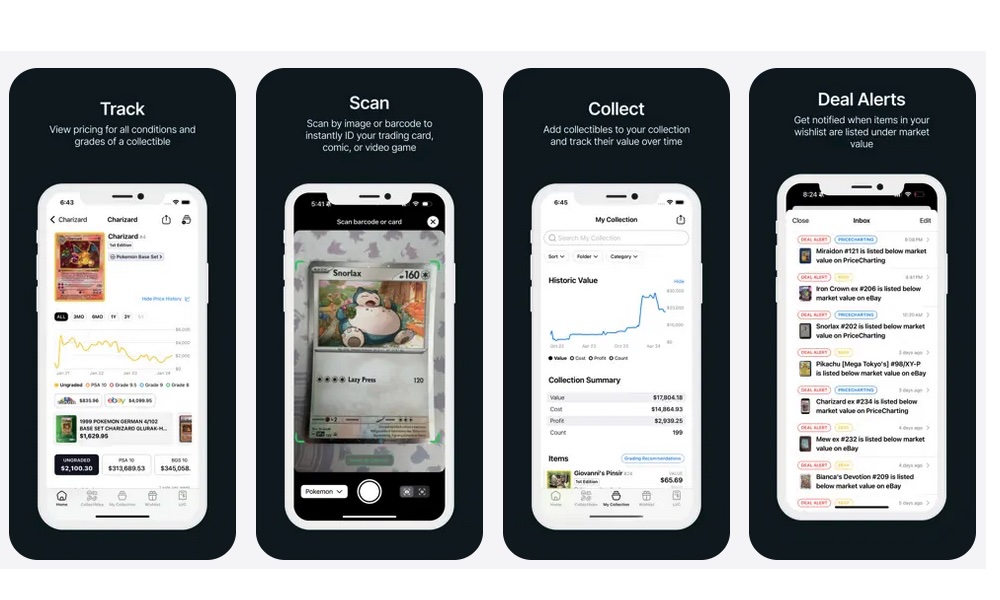
PriceCharting is a great app for collectors whose interests go beyond cards. It tracks prices for TCG cards, sports cards, comics, video games, coins, LEGO, and other collectibles. That makes it especially useful if your shelf includes more than slabs and binders.
For example, if you’re someone who collects Pokémon cards, you may also collect retro games, comics, sealed products, or other pop-culture collectibles. PriceCharting gives you a more extensive database filled with many different collectibles, instead of making you separate every hobby into its own tool. It also helps you track the value of your collection and search specific items in certain categories by simply using a photo or barcode.
This is one of the better apps for mixed collectors because it understands that hobbies overlap. It may not replace a dedicated TCG or sports-card app for every use, but it’s very helpful when you want one big-picture view of what your collectibles might be worth.
eBay
Even with all the newer collector apps available, eBay remains one of the most important apps in the card hobby. It’s still one of the best places to buy singles, watch auctions, sell your own cards, and understand what people are actually paying for a card.
That last part matters a lot. Scanners and estimates can be helpful, but completed sales often tell you more about real market demand. If a card is listed for $500 but recent sold listings are closer to $300, you’ll want to know that before buying or pricing your own copy.
eBay also has trading-card tools that can help sellers list cards faster, including scan-to-list features for certain card categories. And you can even buy a card directly from PSA and send it to your own vault for free. This will help you resell it when the time is right without having to handle shipping yourself. Even if you use other apps for tracking and research, eBay is still one of the core apps every collector should have.
Start the Hobby the Right Way
Whether you’re starting out in the hobby or want to become better at it, these apps can help you up your game without any hassle. They’ll help you keep your portfolio up to date, know its real value, and even help you find the best deals and cards to add to your collection.
Of course, you don’t need to download all apps at once. Most collectors will be better off choosing a few that match their ideal setup. One scanner, one portfolio tracker, one serious pricing tool, and one marketplace will cover a lot of ground. From there, you can add more specialized apps depending on whether you care more about grading, selling, sealed products, live auctions, or long-term portfolio value.
Card collecting has always involved research, patience, and a little bit of gut feeling. Your iPhone can’t replace that, but it can make the work much easier. With the right apps installed, you can identify cards faster, check prices more confidently, track what you own, and make smarter decisions before you buy, sell, or send something off for grading.